


Published: June 10, 2026
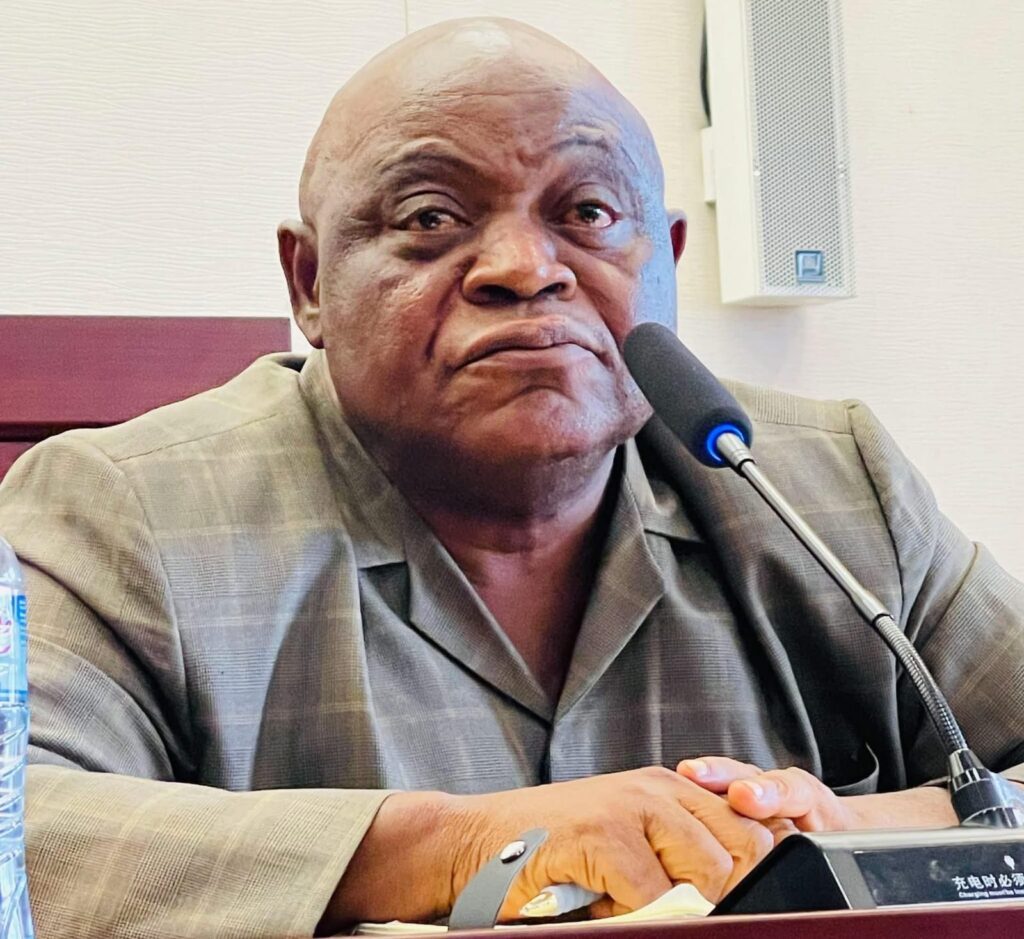
CAPITOL HILL, Monrovia — The Senate on Tuesday confirmed Jonathan Weedor as chairman of the National Elections Commission, brushing aside a lone objection over whether he should serve a fresh seven-year term or only the unexpired tenure of his predecessor.
Nimba County Sen. Samuel G. Kogar cast the sole dissenting vote, arguing that Liberia’s tenure laws require Weedor to finish the roughly two years left on former Chairperson Davidetta Browne-Lansanah’s mandate rather than start a new clock. Browne-Lansanah resigned before completing her seven-year term.
The Senate Committee on Autonomous Commissions and Agencies recommended confirmation, stating that Weedor appeared at a public hearing and demonstrated his fitness for the post. The nominee, the committee said, “possesses the requisite academic qualifications, competence, and experience to serve in a position to which he was nominated by the President, Joseph Nyuma Boakai.”
The atmosphere shifted, according to legislative observers, when Vice President Jeremiah Kpan Koung entered the chamber as Senate Pro Tempore Nyonblee Karnga-Lawrence presided near adjournment. Some senators read his arrival as a signal that the nomination would reach the floor. Moments after Koung took the chair, the committee report was read, and Grand Kru County Sen. Numene T.H. Bartekwa moved for endorsement.
Kogar said he was prepared to back Weedor if lawmakers first clarified the length of the appointment.
“Mr. President of the Senate, distinguished colleagues, to the movant, I would be ready to vote if this concern can be addressed: that is, I did not hear in the communication from the committee that this Chairman-designate is to be confirmed for the term or expired term remaining, because it’s a tenure position,” Kogar said.
He contended that a successor should inherit only the remainder of a vacated term to keep commissioners on the same timeline. “The law specifies a seven-year period for the position,” he said. “When a commissioner resigns, the successor should only occupy the position for the remainder of that specific timeframe to remain consistent with the other sitting commissioners.” A fresh mandate, he warned, could unbalance the collective body and breach the principles governing autonomous agencies under Article 89 of the 1986 Constitution, which establishes the commissions.
Bartekwa rejected the argument but did not directly address the tenure question. Koung then intervened, saying the Senate has routinely confirmed replacements for officials who resigned mid-term without treating them as caretakers.
“The Central Bank Governor resigned and the new Central Bank Governor came here, you confirmed him. You did not say he was finishing the tenure,” Koung said. “You confirmed the Chair of LTA when the former LTA Chair resigned; you confirmed the NaFAA boss when the former NaFAA boss resigned, and we can go on and on and on.”
The Senate president drew a line between appointed tenure posts and elected offices such as president, senator and representative, arguing that confirmation should not stall over a predecessor’s unexpired time. Kogar held his ground, maintaining that the president could renominate an official after an unexpired term ends but that the first appointment should cover only the vacant period.
The exchange exposed a broader unsettled question in Liberian law: whether officials who fill tenure seats inherit the remaining term or begin a new one. The Senate proceeded over the objection and approved Weedor overwhelmingly.
The confirmation clears Weedor to lead the commission as it prepares for future elections and institutional reforms. The tenure dispute is expected to linger as a point of legal and political contention in the months ahead.




Discussion about this post