


Published: June 5, 2026
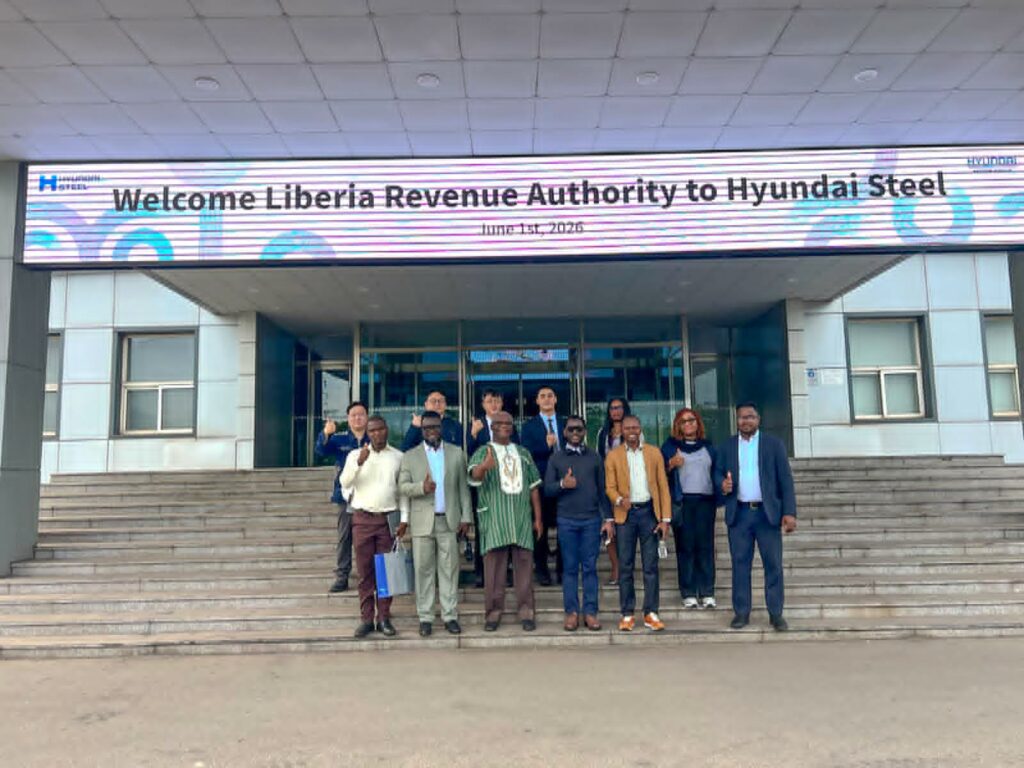
MONROVIA — The Liberia Revenue Authority is deepening efforts to modernize the country’s tax administration system through strategic engagements with leading South Korean institutions, a move officials say could significantly improve tax collection, strengthen compliance and enhance services for taxpayers across Liberia.
The initiative is part of a weeklong visit to the Republic of Korea led by LRA Commissioner General James Dorbor Jallah at the invitation of South Korea’s National Tax Service, one of Asia’s most technologically advanced revenue agencies. According to the LRA, the visit is aimed at building international partnerships, promoting knowledge exchange and identifying practical technological solutions that can support Liberia’s ongoing revenue administration reforms.
South Korea is widely recognized for its sophisticated digital infrastructure and efficient public service systems, particularly in tax administration, where technology plays a central role in simplifying tax processes, improving compliance and delivering services more efficiently to citizens and businesses.
For Liberia, where authorities have been seeking ways to increase domestic revenue mobilization while improving taxpayer experience, the Korean model presents an opportunity to learn from proven systems and adapt best practices to local realities. During the first phase of the visit, the Liberian delegation held a series of high-level meetings with officials from Hyundai Steel, LG Consultancy Services and LG Electronics. Discussions focused on exploring technological innovations that could support the modernization of Liberia’s revenue administration framework.
Key areas of interest included digital taxpayer services, electronic tax filing and payment systems, cybersecurity, data management, compliance monitoring and the broader use of technology to improve institutional efficiency.
Officials said the discussions examined how digital solutions could automate several tax administration processes, improve data analysis capabilities and strengthen compliance monitoring mechanisms. Such improvements could help reduce administrative delays, minimize revenue leakages and improve transparency within the tax system.
The modernization efforts also seek to make tax services more accessible and convenient for individuals and businesses by expanding digital platforms and reducing reliance on manual procedures.
Speaking during the engagements, Commissioner General Jallah stressed the importance of learning from successful international institutions as Liberia continues its drive toward a modern and technology-driven revenue administration system.
“Learning from global leaders in innovation and digital transformation will help accelerate our efforts to modernize tax administration, strengthen compliance and improve taxpayer services,” Jallah said. He noted that the LRA is particularly interested in solutions capable of enhancing digital infrastructure, strengthening compliance management systems, reducing opportunities for revenue losses and supporting data-driven decision-making.
The Korean institutions welcomed the LRA’s modernization agenda and expressed interest in exploring future collaboration in areas including technology deployment, institutional development and professional knowledge sharing.
The Liberian delegation includes Domestic Tax Commissioner Margaret P. Krote, Assistant Commissioner for the Management Information Systems Division Kollie U. Zayzay and other senior LRA officials. The team is expected to continue meetings with government agencies, technology companies, development partners and other institutions throughout the remainder of the visit.
Revenue experts have increasingly emphasized the importance of digital transformation in tax administration, arguing that modern technology can improve efficiency, increase compliance and expand the tax base while reducing operational costs.
For Liberia, where domestic revenue remains critical to financing public services and national development priorities, strengthening tax administration has become a key component of broader economic reform efforts.
LRA officials said the visit is expected to pave the way for future partnerships involving capacity building, digital tax administration systems, technology solutions and improved taxpayer service delivery.
If successfully implemented, the innovations explored during the visit could provide long-term benefits for Liberian taxpayers through faster service delivery, more reliable digital platforms and a more responsive revenue administration system. The engagements also underscore the LRA’s broader commitment to leveraging international cooperation, innovation and technology to build a modern, transparent and accountable tax administration capable of supporting Liberia’s development agenda and strengthening the country’s fiscal sustainability.






Discussion about this post