


Published: October 28, 2026
A prison cell must never become the government’s answer to a case it cannot bring to trial. Yet the figures presented to the Senate by Justice Minister-designate Cllr. Betty Lamin Blamo describe a system in which waiting has become the condition of most prisoners.
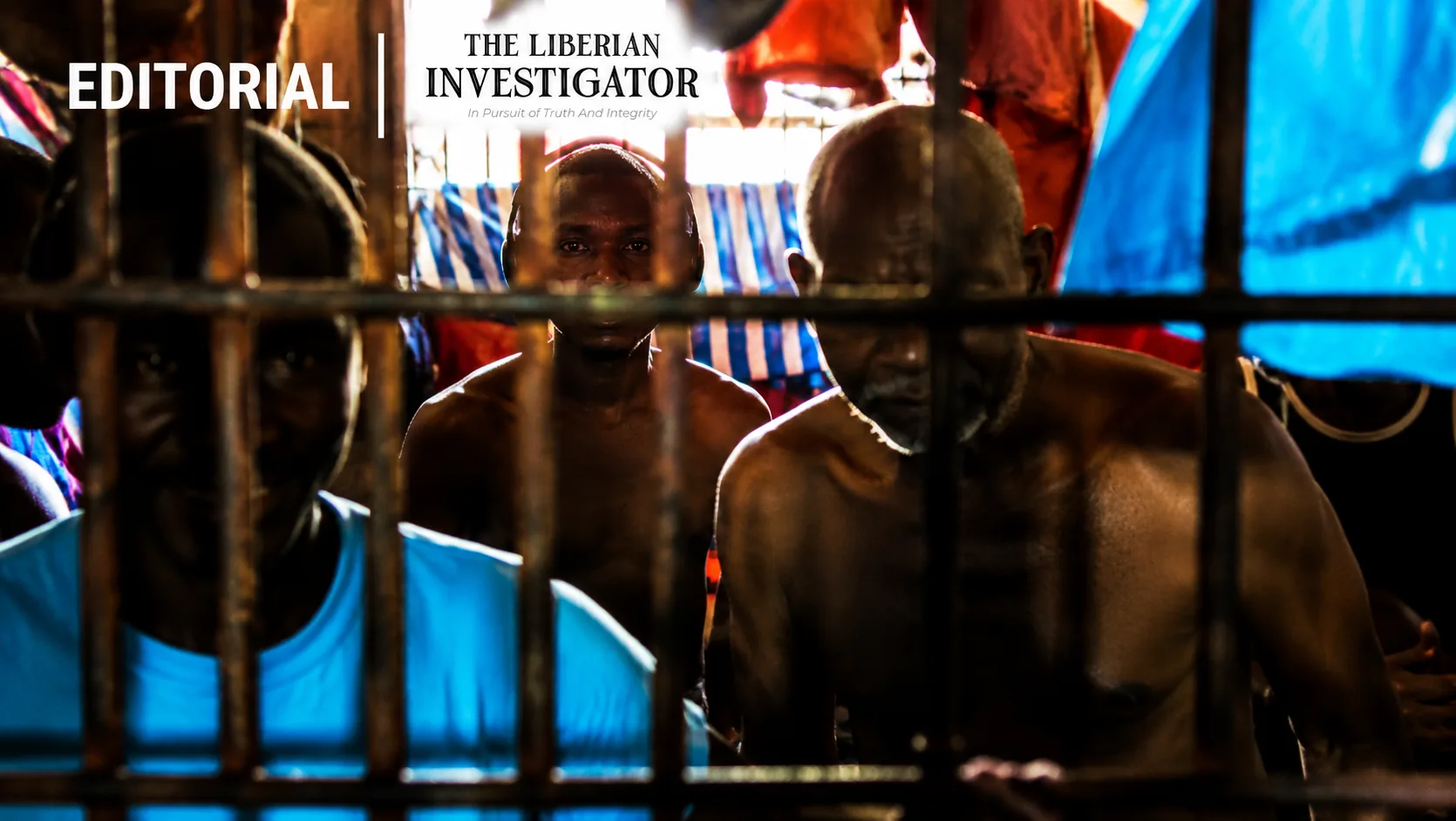
As of September, she said, 2,848 of Liberia’s 4,125 prisoners had not been tried. At Monrovia Central Prison, the figure was 1,312 out of 1,888 inmates. These numbers alone do not establish that every detention is unlawful. They do establish the scale of the responsibility the state has yet to discharge.
Behind each pending case is someone whose liberty has been taken away without a verdict. In cases involving victims, there are also people waiting for the state to establish the truth and secure accountability. Delay fails both.
Cllr. Blamo’s pledge deserves support: “The state will either prosecute or release in accordance with law.”
If confirmed, she must turn that undertaking into an operational plan. The Senate, having heard the figures, must help provide the resources and demand evidence of progress. A confirmation hearing cannot become the place where a national failure is eloquently described and then left intact.
The most revealing part of Cllr. Blamo’s testimony was her account of the court’s capacity. About 200 people charged with armed robbery are held at Monrovia Central Prison, she said, with their cases assigned to Criminal Court “D.” She estimated that even five trials during each of four annual terms would produce only 20 trials a year, a pace she described as frequently unattainable.
Those figures cannot be converted neatly into a waiting period for each prisoner: one case may involve several defendants, and cases can be resolved in different ways. But they expose a serious mismatch between the work entering the system and its capacity to complete that work.
A government cannot keep making arrests without providing the means to investigate properly, prepare cases and bring them before judges. Otherwise, detention becomes the place where institutional failure accumulates.
The seriousness of an allegation makes competent prosecution more urgent. Murder, armed robbery, sexual violence and drug trafficking require careful investigation and timely adjudication. Describing a charge as serious cannot answer the separate question of whether the state is ready to prove it.
Nor should the public accept a false choice between indiscriminate release and indefinite confinement. Each case requires an individual assessment, with detention and release decisions made through the proper legal process. Public safety, the rights of the accused and the interests of victims all depend on getting those decisions right.
The nationwide file review Cllr. Blamo proposes is therefore essential. It must establish more than whether a folder exists.
For every detainee, officials should identify the date of detention, the charge, the authority for continued custody, access to counsel, the last court action, the outstanding work and the institution responsible for doing it. Cases should have named prosecutors and clear next steps. The longest-pending cases deserve particular scrutiny, alongside urgent concerns about health and vulnerability.
Where evidence supports prosecution, the state must prepare the case and seek a timely hearing. Where continued detention cannot be justified, the appropriate relief should be pursued promptly. Missing files and unexplained inactivity should trigger investigation and corrective action.
If confirmed, Cllr. Blamo should publish an initial account of the review within 90 days, stating its coverage, the obstacles identified and the timetable for completing it. Quarterly updates should show how long people are being held, how many cases have reached trial or another lawful resolution, and whether new delays are replacing the old ones.
These reports should protect private information while making institutional performance visible. Citizens need to know whether the backlog is shrinking and why.
The proposed extension of court terms merits serious legislative consideration. But additional sitting days will achieve little if prosecutors lack preparation time, defense lawyers are unavailable, witnesses cannot attend or prisoners cannot be transported to court.
The Justice Ministry and judiciary should develop a costed plan addressing those constraints together. Funding must cover the practical work that makes a hearing possible, including functioning registries, reliable case records and adequate legal representation.
She told senators that experienced prosecutors had left after salary cuts. That claim warrants examination alongside staffing levels, workloads and retention needs. Liberia should pay competent prosecutors adequately and hold them to professional standards.
Public defenders require comparable attention. A prosecution service strengthened while the defense remains overwhelmed would leave the system unbalanced. A person’s inability to afford a lawyer must not become another reason their case remains unattended.
The Senate should also resist judging prosecutorial success mainly by conviction rates. She cited an 85% rate during her previous service as solicitor general. Such a figure, standing alone, cannot show whether cases were selected fairly, defendants received adequate representation or proceedings were timely. The purpose of prosecution is to pursue justice on the evidence. A weak case abandoned can reflect sound judgment; a conviction obtained unfairly represents failure.
Her promise to apply the same standard to political friends and adversaries belongs at the heart of this reform. Case reviews, charging decisions and access to hearings must follow consistent criteria. An ordinary detainee should not need political influence to have a forgotten file examined.
Liberia’s prisons are already holding the human consequences of delay. Families lose income and support. Victims wait. The accused remain in uncertainty. Public confidence deteriorates.
The country has now heard the scale of the problem from the person nominated to lead its response. There can be no claim that the urgency is unknown.
Give the justice system the capacity to decide cases fairly. Require it to account for every person it holds. And stop allowing the calendar to impose a punishment no court has pronounced.





Discussion about this post