


Published: October 28, 2026
MONROVIA — A coalition of eight civil society organizations has called on President Joseph Nyuma Boakai and the National Legislature to immediately suspend the allocation and ratification of new Mineral Development Agreements (MDAs) until Liberia enacts a comprehensive and modernized Mineral and Mining Law, warning that continued negotiations under the existing legal framework could undermine transparency, accountability and the country’s ability to secure fair benefits from its mineral resources.
The CSO Consortium on Minerals, Mining, and Inclusive Sustainable Development said entering into additional long-term mining agreements without first addressing weaknesses in the country’s mining laws risks perpetuating longstanding governance challenges, environmental degradation and limited economic benefits for mining-affected communities.
The consortium comprises the Center for Transparency and Accountability in Liberia (CENTAL), Integrity Watch Liberia, Sustainable Development Institute (SDI), medica Liberia, ActionAid Liberia, Integrated Development and Learning, Civil Society Independent Forest Monitors, and Sustain Earth and Equity Defenders.
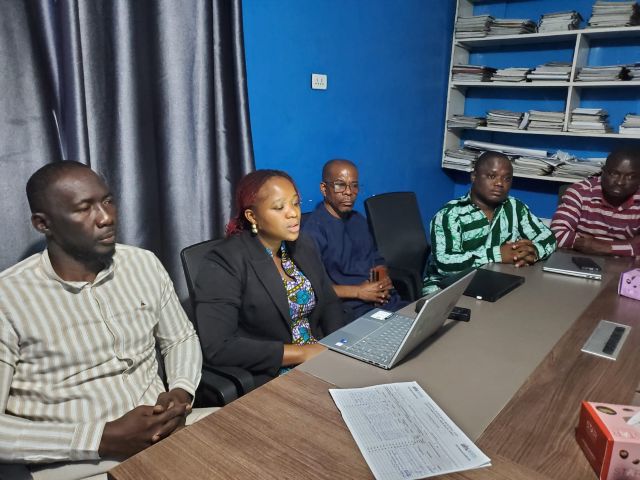
Addressing a joint news conference Tuesday, Oct. 27, in Monrovia, the organizations argued that despite Liberia’s substantial mineral resources, decades of mining activities have failed to deliver corresponding improvements in economic opportunities, public services and living conditions for many citizens, particularly those residing in concession areas.
The group maintained that weaknesses in regulatory enforcement, corruption, inadequate transparency and limited community participation continue to prevent Liberia from maximizing the economic and social benefits of its mineral wealth.
“Weak regulatory enforcement, corruption, limited value addition, inadequate transparency, environmental degradation, and insufficient community participation continue to undermine the sector’s contribution to wealth creation, equitable benefits sharing for communities and overall national development,” the consortium stated.
According to the organizations, the country’s mining sector requires reforms that address not only outdated legislation but also longstanding concerns surrounding community rights, environmental protection, revenue management and the participation of Liberians in mining-related economic activities.
The consortium disclosed that civil society organizations and representatives of mining-affected communities convened Oct. 1, 2026, to examine governance challenges within the sector and develop a common position on proposed reforms.
It further explained that a multi-stakeholder roundtable was held Oct. 21 in Monrovia, bringing together development partners, relevant government institutions, private sector representatives, civil society organizations and affected communities.
During the engagement, the consortium presented its draft reform proposals and received additional recommendations that informed its consolidated position on the future of mining governance in Liberia.
While welcoming the government’s commitment to reforming the sector, the organizations insisted that the ongoing review of Liberia’s Mineral and Mining Law must extend beyond amendments to existing provisions.
They maintained that the revised legislation should address structural governance, economic, environmental and social challenges that have historically prevented citizens, including women, persons with disabilities and other marginalized groups, from benefiting equitably from the country’s mineral resources.
Reading the consortium’s statement, medica Liberia Country Director Cllr. Yah Vallah Parwon called for a temporary suspension of new mining agreements until the legislative reform process is completed.
“The Consortium calls on the Government of Liberia, especially the Executive Branch, through the office of President Joseph Nyuma Boakai Sr., and the Legislature to institute a moratorium on the allocation and ratification of new Mineral Development Agreements until a comprehensive and modern Mineral and Mining Law is enacted,” Parwon said.
The consortium argued that allowing new agreements to proceed under the current framework could lock Liberia into long-term contractual arrangements before necessary safeguards are established.
“We strongly believe that entering into new or additional long-term mineral development agreements under an outdated legal framework risks perpetuating existing governance weaknesses and limiting Liberia’s ability to secure fair and sustainable benefits from its mineral resources,” the statement added.
Beyond its demand for a moratorium, the consortium outlined several recommendations it wants incorporated into the proposed mining legislation.
The organizations called for stronger transparency and accountability mechanisms, meaningful public participation in mining decisions, improved regulatory enforcement and legally enforceable arrangements to ensure that affected communities receive their fair share of mining benefits.
They also recommended stronger protections for community rights, increased domestic value addition and greater participation by Liberian businesses and workers in the mining sector.
On environmental governance, the consortium urged the government to establish stronger safeguards against environmental degradation, including enforceable requirements for mine rehabilitation and responsible management of mining operations.
The organizations further called for gender-responsive and inclusive mining governance to ensure that women, persons with disabilities and marginalized communities are adequately represented in decision-making processes and benefit-sharing arrangements.
They emphasized the need for improved revenue transparency, stronger legislative and institutional oversight of mining concessions, and better coordination among government agencies responsible for regulating the sector.
The consortium also identified reforms to artisanal and small-scale mining as a priority, arguing that the revised law should establish a more sustainable and equitable framework for managing Liberia’s mineral resources.
According to the organizations, the country’s mining legislation must create opportunities for long-term economic development while protecting communities and the environment from the adverse effects of mineral extraction.
“The revised law must establish a long-term framework that balances mineral extraction with economic diversification, environmental sustainability, local development, and the interests of future generations,” the consortium stated.
“The management of Liberia’s mineral wealth must prioritize national development rather than short-term extraction benefits,” the statement added.
The consortium maintained that the proposed reforms should provide a legal framework capable of improving accountability, protecting investments and ensuring that mineral resources contribute meaningfully to national development.




Discussion about this post