


Published: July 6, 2026
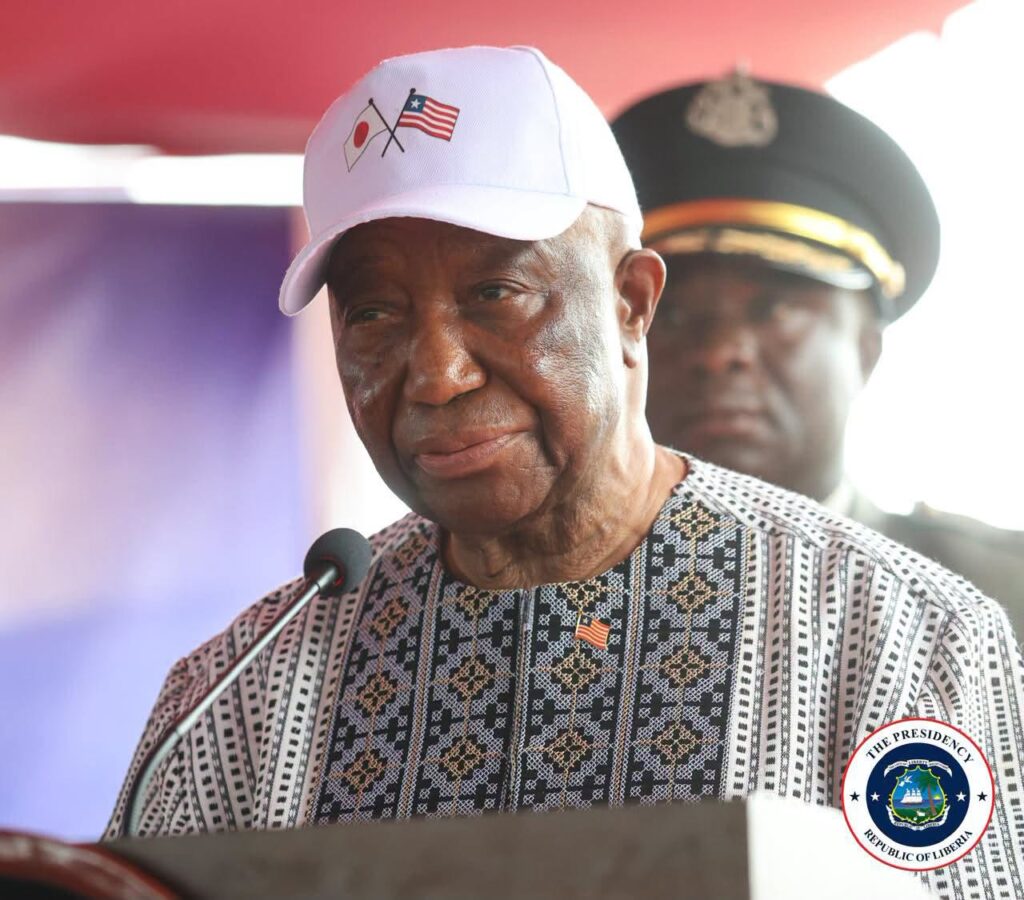
MONROVIA — President Joseph Nyuma Boakai Sr. broke ground Friday on a $16 million extension of the Japan Freeway, a project the government says will create 175 construction jobs and cut chronic flooding along one of Liberia’s busiest trade corridors.
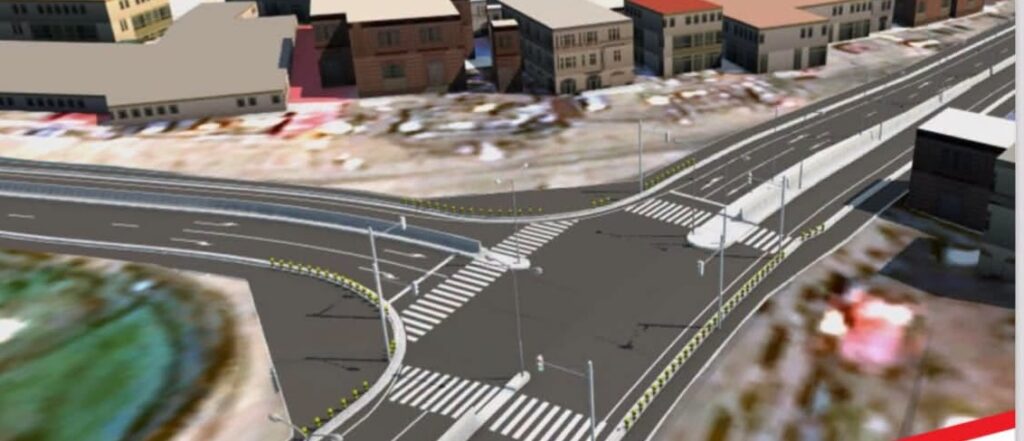
The 1.9-kilometer extension, funded entirely by a 2.7 billion yen grant from the Government of Japan, will run from the Freeport of Monrovia to the Gabriel Tucker Bridge. Officials said the corridor will ease traffic congestion, improve drainage, enhance pedestrian safety and boost trade along the route connecting Liberia’s main seaport to the capital.
Boakai called the corridor a strategic economic lifeline.
“It is the lifeline of Liberia’s economy, linking the nation’s principal seaport to the capital and supporting the daily movement of people, goods, and commerce, as well as regional trade. By modernizing it, we will strengthen economic activity, improve mobility, reduce travel time, and enhance the daily lives of thousands who depend on it,” Boakai said.
The president said the project will introduce climate-resilient infrastructure, including improved drainage systems, durable pavement, modern street lighting, safer pedestrian facilities and better traffic management to address long-standing flooding problems.
He said the groundbreaking follows two other major road initiatives launched within the past three months, a 255-kilometer road project in western Liberia and the Mendikorma-Voinjama Highway.
“The development of these two corridors lays a strong foundation for our broader goal of expanding infrastructure and opening the country to greater socio-economic opportunity,” Boakai said.
Boakai praised Japan as one of Liberia’s most dependable development partners, saying the Japan International Cooperation Agency has invested in roads, bridges, ports, healthcare, education, agriculture, food security and human capacity development in Liberia.
“On behalf of the Government and people of Liberia, I extend our profound appreciation to the Government and people of Japan for their friendship and generous support over many decades. This ceremony is a celebration of an enduring friendship between two nations and a demonstration of what genuine international partnership can achieve,” he said.
The road was formerly known as Somalia Drive before its reconstruction with Japanese assistance, Boakai said, recalling that many Liberians still refer to it by that name.
“Many Liberians still remember this road as Somalia Drive. After its reconstruction with generous assistance from the Government of Japan, this important corridor became a model of modern road infrastructure in Liberia,” he said.
He said the government renamed the highway Japan Freeway to permanently honor Japan’s contribution to Liberia’s development.
Beyond transportation gains, Boakai said the project will generate roughly 175 direct construction jobs and additional business opportunities for local suppliers, transport operators, service providers and surrounding communities.
He said the investment aligns with his administration’s ARREST Agenda for Inclusive Development, which identifies modern infrastructure as a driver of economic transformation, private sector expansion, job creation, improved public services and better living standards.
“My Government remains committed to this agenda. We will continue to seek ways to expand and modernize Liberia’s transportation network through strategic partnerships with development partners and the private sector,” he said.
Boakai commended the Ministry of Public Works, JICA, Dai Nippon Construction Co., Ltd., and Eight-Japan Engineering Consultants, Inc. for their roles in the project and asked residents, businesses and motorists to remain patient during construction.
“I encourage you to maintain the excellent cooperation that has defined this partnership since its inception. I ask for your patience and cooperation during construction,” he said.






Discussion about this post