


Published: September 14, 2026
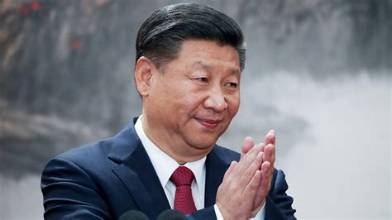
MONROVIA — Chinese President Xi Jinping has proposed five initiatives to expand cooperation among BRICS countries, with a strong focus on artificial intelligence, trade, digital technology, advanced manufacturing, and scientific talent development.
A statement from the Chinese Embassy near Monrovia says Xi presented the proposals while attending Session II of the 18th BRICS Summit, according to information the embassy released.
The initiatives reflect China’s push to strengthen technological and economic cooperation among BRICS countries while creating what Beijing describes as a more open, inclusive and interconnected development ecosystem.
Xi’s proposals come as BRICS countries increasingly seek to expand cooperation beyond traditional areas such as trade and investment into emerging technologies, digital transformation and scientific innovation.
AI cooperation
The first proposal focuses on artificial intelligence, with Xi calling for an open-source and inclusive approach to AI development. China, he said, will pioneer a BRICS AI open-source community and support cooperation in developing and applying large language models.
The initiative also calls for specialized AI seminars and training courses, with the broader objective of creating an open ecosystem in which BRICS countries can share knowledge and benefit from advances in artificial intelligence. The emphasis on open-source technology could help countries with limited access to expensive proprietary systems participate more actively in AI development and applications.
For developing economies, the initiative could also provide opportunities to build technical skills and apply AI to sectors such as education, health care, agriculture, public administration and business.
Push for trade and investment
Xi’s second initiative seeks to make trade and investment among BRICS countries easier. China has proposed establishing a BRICS special economic zone partnership under which participating countries could establish an intelligent portal, coordinate policies and develop what Xi described as a new frontier for open development.
The proposal is intended to improve coordination and reduce barriers that can make cross-border investment and commercial activities difficult. China also plans to hold a BRICS Forum on Trade in Services next year as part of efforts to develop new drivers of economic and trade cooperation.
The services sector includes areas such as finance, transportation, telecommunications, professional services, education and technology. Greater cooperation in these areas could expand opportunities for businesses beyond the traditional exchange of physical goods.
Digital economy
Xi’s third initiative targets the rapidly expanding digital economy. China plans to promote the establishment of a BRICS digital ecosystem cloud platform and conduct digital skills training, technological exchanges and industrial alignment, according to the embassy.
The initiative seeks to help BRICS countries strengthen their digital capabilities while encouraging cooperation among governments, industries and technology institutions.
Digital skills have become increasingly important as economies move toward online commerce, digital financial services, cloud computing, artificial intelligence and data-driven public administration. For developing countries, the digital transformation agenda also presents both opportunities and challenges, particularly around infrastructure, technical expertise, affordability and access.
The proposed cooperation could provide a platform for countries to share experiences and develop the skills needed to participate more effectively in the digital economy.
Smart manufacturing
Xi’s fourth initiative focuses on intelligent manufacturing, closely tied to China’s industrial and technological development. China is prepared to help fellow BRICS countries build smart factories and develop standards and norms, Xi said.
The countries would also work together to promote manufacturing transformation and upgrading. Smart manufacturing uses technologies such as automation, artificial intelligence, sensors, robotics and data analytics to improve industrial production.
For emerging economies seeking to strengthen manufacturing capacity, such technologies could increase productivity while creating demand for workers with new technical skills.
However, the transition also requires investment in infrastructure, education and workforce development.
Developing science and technology talent
The fifth initiative places human capacity at the center of technological development. China has proposed establishing a BRICS engineer cultivation alliance to jointly develop engineers and promote mutual recognition of competency standards.
Xi also announced that China will launch a BRICS youth exchange program focused on scientific and technological innovation.
The program aims to develop highly skilled young people who can contribute to future technological and scientific advancement.
The focus on youth and engineering reflects the growing recognition that technology-driven economic development depends not only on infrastructure and investment but also on the availability of trained professionals capable of designing, operating and adapting new systems.
A broader BRICS agenda
Taken together, Xi’s five proposals outline a broader vision for BRICS cooperation that extends from artificial intelligence and digital technology to trade, industrial development and human capital. The initiatives also underscore China’s effort to position technological cooperation as an important component of the BRICS agenda.
The proposals could have implications for developing countries seeking to accelerate digitalization and industrialization while improving their participation in global trade and emerging technology markets.
For African economies, the areas highlighted by Xi — particularly digital skills, artificial intelligence, manufacturing, trade facilitation and scientific training — are increasingly central to national development strategies.
The success of such initiatives, however, would depend on how they are implemented, including the availability of financing, infrastructure, technical expertise and mechanisms for sustained cooperation among participating countries.
Xi’s proposals therefore place both technology and people at the center of his vision for deeper BRICS cooperation, seeking to move the grouping toward greater collaboration in industries and skills expected to shape the global economy in the coming decades.






Discussion about this post