


Published: September 14, 2026
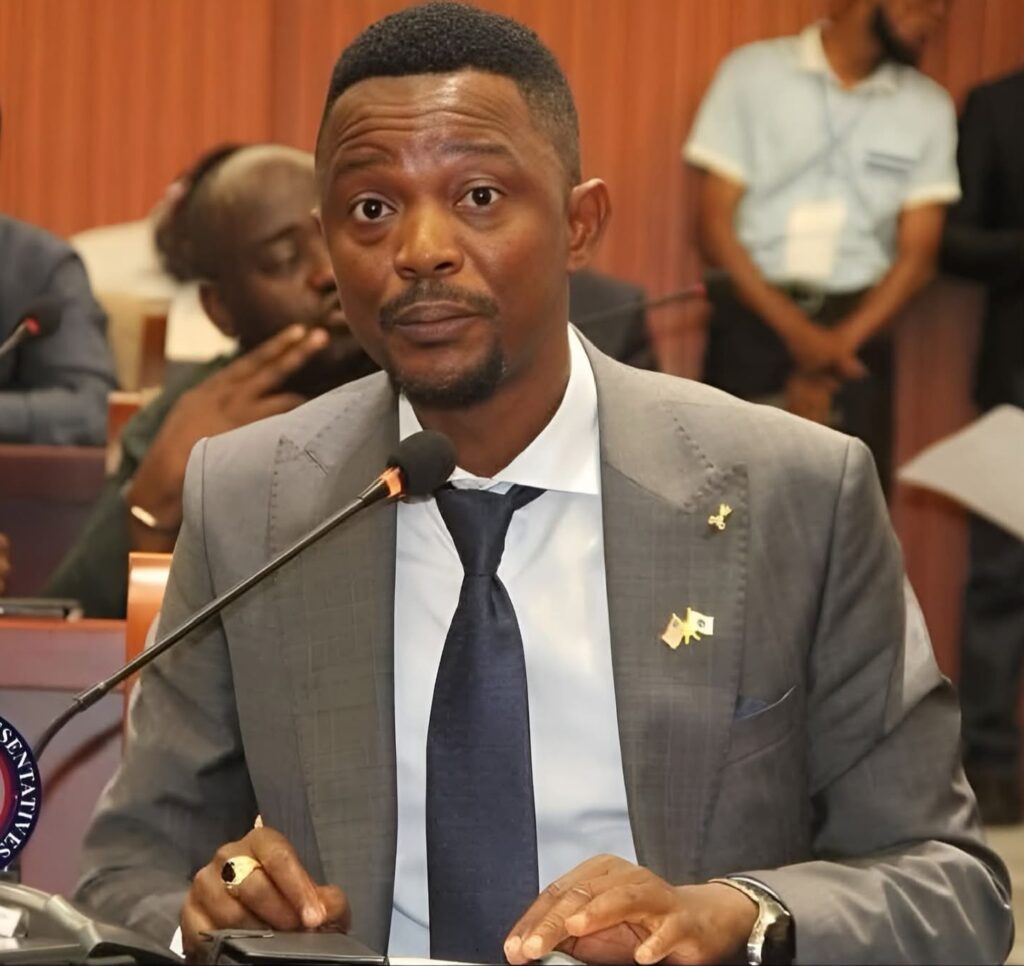
MONROVIA — Montserrado County District No. 3 Representative Sumo Mulbah, once among Cllr. N. Oswald Tweh’s vocal critics at the Ministry of Justice, is now asking the Senate to confirm him as Liberia’s next defense minister, arguing that the traits that frustrated him at Justice could make Tweh effective in overseeing the military as a civilian.
By Gibson Gee
Mulbah’s intervention comes as Tweh moves from one of the government’s most politically exposed positions to the ministry responsible for civilian oversight of Liberia’s armed forces.
President Joseph Nyuma Boakai relieved Tweh of his post as Justice minister during a cabinet shake-up and subsequently designated him to head the Ministry of National Defense, a move that has drawn fresh attention to Tweh’s record and the circumstances surrounding his departure from Justice.
Mulbah does not hide his previous opposition to Tweh.
In an open letter to senators, he acknowledged that he had repeatedly criticized Tweh’s performance as Justice minister, particularly what he described as his slow and inefficient approach to the justice system.
But Mulbah now says the same temperament he considered a weakness at Justice could be an asset at Defense.
“The qualities that made him unsuited for justice work make him well-qualified to oversee our national defense,” Mulbah wrote.
His argument is straightforward: Defense needs a civilian administrator, not another military commander.
Mulbah points to the constitutional requirement for civilian control of the Armed Forces and argues that Tweh’s legal training and measured personality make him appropriate for the job.
But Tweh’s nomination is not occurring in a vacuum.
His reassignment comes amid heightened public scrutiny of Liberia’s handling of a major cocaine investigation, including allegations and counter-allegations involving officials connected to the Justice Ministry.
Exiled Liberian activist Martin K. N. Kollie has made allegations involving Tweh and the broader cocaine investigation, including claims concerning the former minister’s official vehicle. The Justice Ministry has rejected those allegations, describing them as false and unsupported.
The allegations remain unproven.
They nevertheless form part of the political backdrop against which Tweh’s nomination to Defense is being considered, particularly because the Justice Ministry under his leadership was directly involved in the government’s response to the drug investigations.
The timing of Tweh’s removal has therefore raised questions beyond whether he possesses the qualifications required for civilian defense oversight.
Why was he moved from Justice, and why Defense?
The Executive Mansion announced the cabinet changes without publicly tying Tweh’s removal to the cocaine investigation.
There is currently no established evidence that President Boakai removed Tweh because of the narcotics allegations. What is clear is that Tweh left Justice while the administration was confronting intense scrutiny over the handling of major cocaine seizures and investigations.
Mulbah, however, wants senators to judge Tweh principally on the constitutional responsibilities of the Defense Ministry.
He argues that operational military command does not rest with the minister, but with the military leadership under the constitutional framework, while the minister provides civilian policy and administrative oversight.
That makes Tweh’s legal background, in Mulbah’s view, an advantage rather than a liability.
The lawmaker is therefore asking senators to separate Tweh’s record at Justice from the question now before them.






Discussion about this post