


Published: June 15, 2026
How Ruth Tete Farkollie-Cooper turned a quiet absence in the homes of the African diaspora into a brand built on heritage, faith and grit
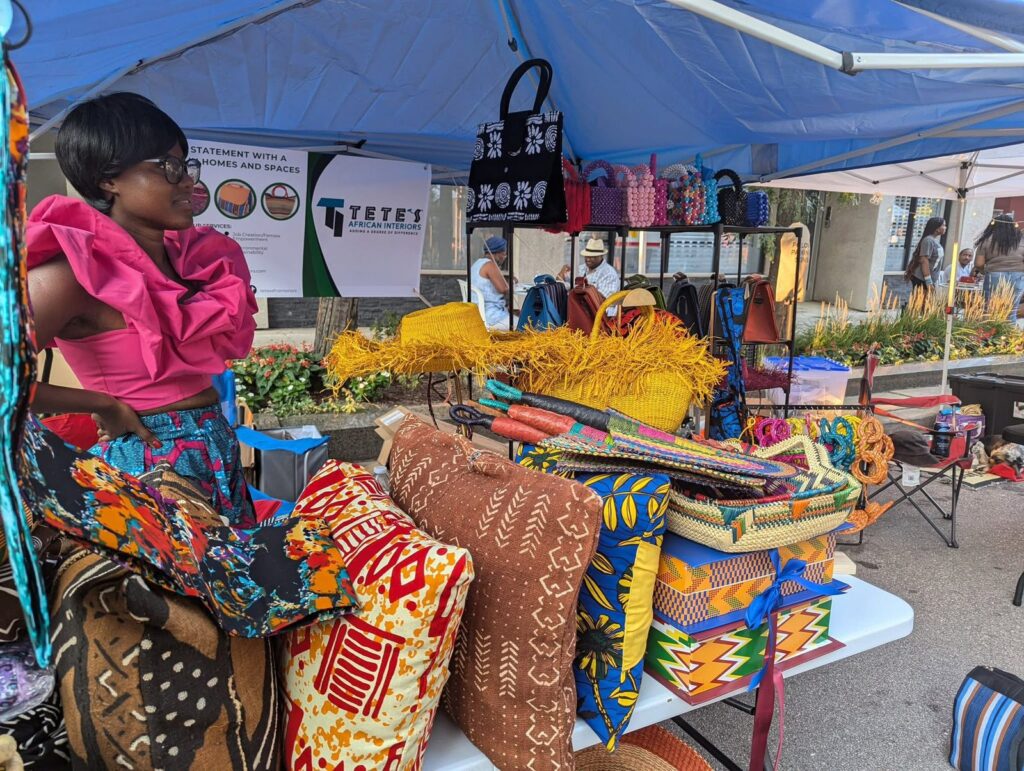
For years, Ruth Tete Farkollie-Cooper kept noticing the same quiet absence. In the homes of Africans she met abroad, the walls and rooms rarely carried the colors, textures and patterns she had grown up admiring. People who spoke with pride about where they came from lived in spaces that said almost nothing about it. The fabrics were beautiful. The craftsmanship was extraordinary. Yet so little of it had made the journey into the everyday lives of the people it belonged to.
She could have left it as an observation. Instead, she built a business around it.
Farkollie-Cooper is the founder of Tete’s African Interiors, a brand that showcases African heritage through home décor, fashion and accessories. A Liberian serial entrepreneur and self-described creative visionary, she has spent the better part of her young career on a single conviction: that African creativity deserves a place on the global stage, and that the surest way to put it there is to make it part of how people live, not just how they remember.
“My goal was not only to sell products but also to tell stories, preserve culture, and help people embrace their roots with pride,” she said.
Her affection for African design began long before she ever thought of herself as a businesswoman. As a girl, she was drawn to the geometry of African fabrics and the discipline behind their making. But admiration eventually gave way to a question. If the artistry was this rich, why was it so hard for Africans, in Liberia and across the diaspora, to find modern, stylish, culturally authentic pieces for their own homes? That gap, between a heritage people loved and a market that did not serve it, became the foundation of her work.
What followed was not a dramatic launch backed by capital and a polished plan. It was the slower, less glamorous path most entrepreneurs actually walk. She started as a student, working with what she had.
“I didn’t begin with massive capital or a perfect roadmap,” she said. “I started by identifying a need, learning as much as I could, and taking consistent action. Over time, I expanded my vision, built relationships with artisans in more than five West African countries and suppliers, learned from failures, and continuously adapted. Every challenge became a lesson, and every customer became a reminder that I was building something bigger than myself.”
That network of artisans matters to the story. It places her brand inside a regional craft economy rather than a single storefront, and it ties her commercial success directly to the livelihoods of the makers she sources from. When Tete’s African Interiors grows, the reach of that growth extends across borders to the hands that produce the work.
The building was complicated by geography. For much of her entrepreneurial life, Farkollie-Cooper ran a business rooted in Liberia while pursuing her education in the United States. Leading a team across an ocean tested her in ways a classroom never could.
“Managing my staff from afar was my greatest nightmare,” she said.
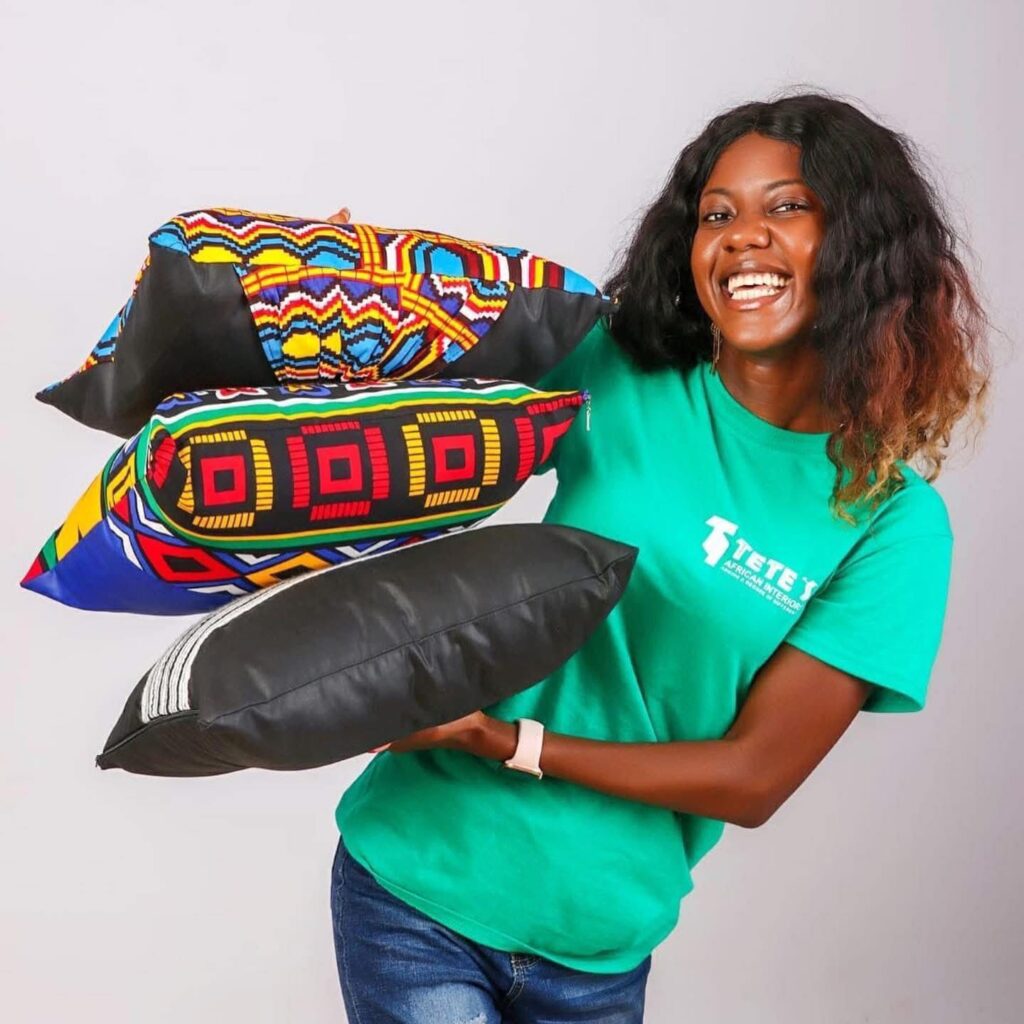
There were stretches when sales slowed, when opportunities fell through, when the road ahead refused to come into focus. She does not pretend otherwise, and that candor is part of what makes her account credible. What separates her is not the absence of doubt but what she chose to do with it.
“There were times when the future felt unclear, but I learned that doubt is part of the journey, not the end of it,” she said. “I used it as motivation to improve, learn, and grow. I reminded myself why I started and focused on the impact I wanted to create.”
Underneath that resilience sit two anchors she returns to often. The first is her mother, whose strength and steadiness she names as her earliest model of perseverance. “My mother’s strength and perseverance taught me to keep going even when things are difficult,” she said. The second is her faith.
“My faith in God has always been my foundation,” she said. “I believe purpose is often tested before it is rewarded.”
That belief has carried her toward a definition of success that reaches past her own balance sheet. She measures it, she says, in the artisans she sustains, the opportunities she creates and the customers who tell her that owning one of her pieces makes them feel closer to who they are. One of her proudest moments, she said, has been watching people connect emotionally with the work and hearing how it returns them to a sense of identity. Another is the simple fact of having built and grown multiple ventures while finishing her studies, proof, in her words, of how far determination and faith can carry a person.
Increasingly, she has turned that conviction outward, toward other women. Farkollie-Cooper is candid about the obstacles that still stand between Liberian women and the businesses they could build. Many, she notes, face limited access to funding, mentorship, business education and professional networks, compounded by social expectations that can make entrepreneurship harder for women than for men. She frames those barriers not as permanent features of the landscape but as problems with solutions: financing within reach, mentorship programs, entrepreneurship training and policies that deliberately support women-owned businesses.
She also believes representation does quiet, cumulative work. “We need more women to see what is possible,” she said. “When one woman succeeds, she inspires countless others to believe in themselves.”
Asked what sets her brand apart, she points to the balance it tries to strike between heritage and modern life. The aim, she says, is to honor African identity while making products that are practical, elegant and relevant to today’s consumer, so that culture feels current rather than ceremonial. The deeper hope is that the work creates economic opportunity, supports African artisans and suppliers, and helps preserve a sense of identity that is easy to lose and hard to rebuild.
For all the discipline her schedule demands, she resists the language of perfect balance. She treats it, she says, as an ongoing practice rather than a finish line, built on planning, boundaries and a clear sense of what matters most on any given day. Rest, personal growth and time with family are part of the equation, not a reward deferred until later. “Success becomes more meaningful when it is shared with the people who matter most,” she said.
Her advice to young women carries the same plainness that runs through everything else she says. She does not promise ease. She offers a starting point.
“Start where you are with what you have,” she said. “Many people wait until everything is perfect, but entrepreneurship is a journey of learning and growth. Begin with an idea, research your market, learn continuously, and take action even if the first step feels small. Most importantly, build something that solves a real problem and serves people well.”
That is, in the end, the shape of her own story. Ruth Tete Farkollie-Cooper did not wait for perfect conditions. She saw an absence, decided it was worth filling, and began. In doing so she has built more than a brand. She has built a case, addressed to every young woman watching, that culture can be an enterprise, that faith and grit can stand in for capital at the start, and that the courage to begin is often the only thing standing between a dream and a livelihood.






Discussion about this post