


Published: February 6, 2026
MONROVIA — A visiting West African lawmaker has praised former Liberian President George Manneh Weah as a continental role model while warning that electoral manipulation and political double standards are undermining democracy across the region.
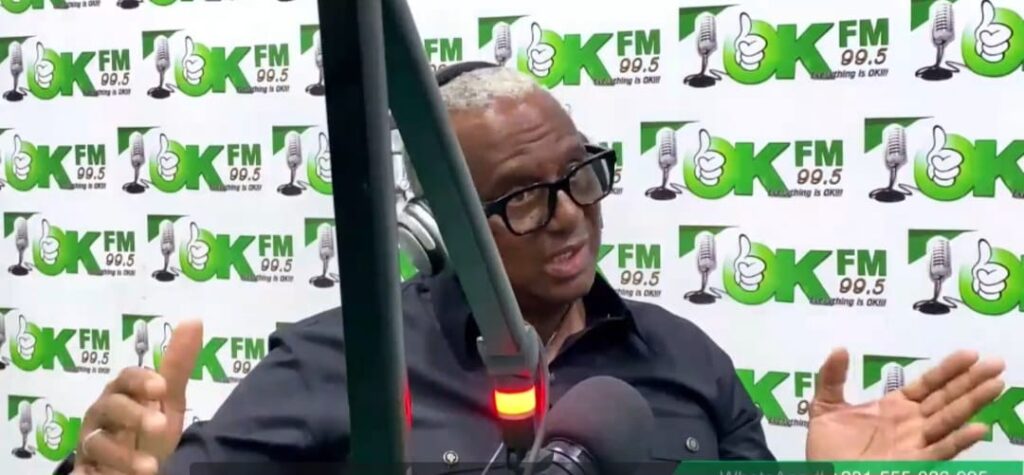
Manuel Irenio Nascimento, a parliamentarian from Guinea-Bissau, made the remarks during an appearance on OK Conversation Show, where he urged African leaders and regional institutions to protect democratic norms and respect election outcomes.
“We should not wait until our leaders die before honoring them,” Nascimento said. “Africa must learn to protect its living legends.”
Praise for Weah’s Legacy
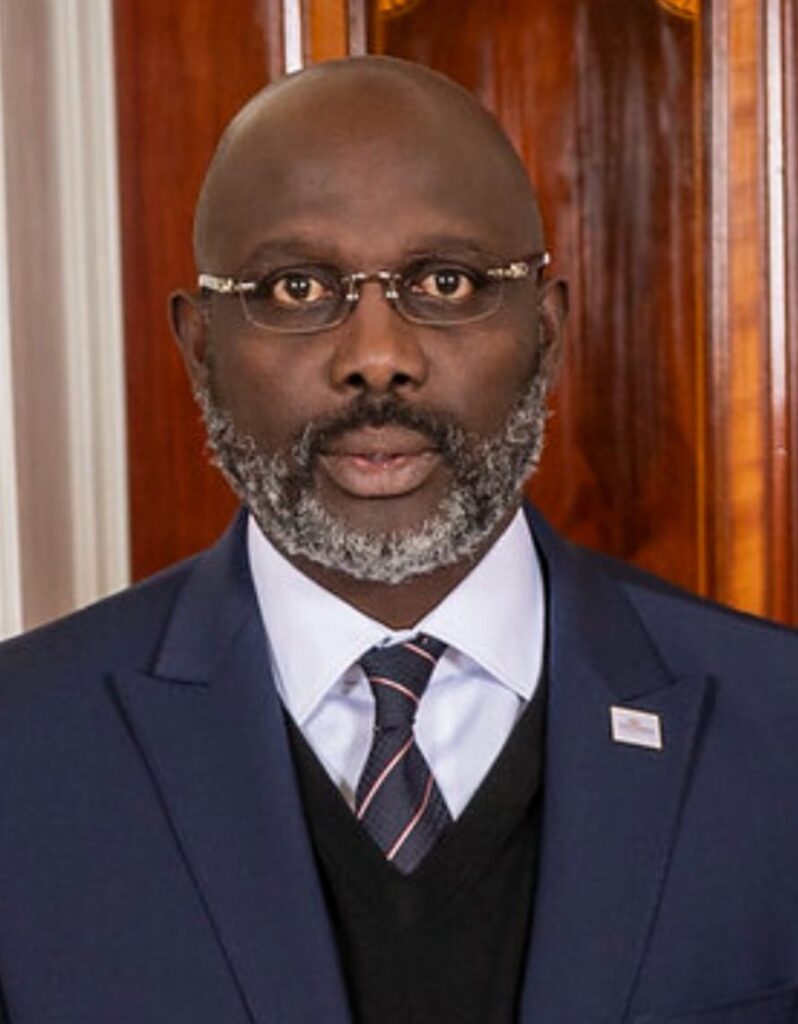
Nascimento described Weah, a former world football star turned politician, as a leader whose influence extends beyond Liberia.
“I don’t consider George Weah a five-star gentleman,” he said. “He is a ten-star gentleman—a man of values, humility and history.”
Weah, Africa’s only Ballon d’Or winner, was elected Liberia’s president in 2017, a transition many observers viewed as symbolically significant in a country emerging from years of civil conflict.
Nascimento said Weah’s journey from football to politics resonates across West Africa, where sport often serves as both a cultural unifier and a path out of poverty for young people.
Liberia Cited as Example of Stability
The ECOWAS lawmaker commended Liberia for maintaining peace since the end of its civil war in 2003, noting that the country has experienced multiple peaceful transfers of power, including elections in 2023.
“Liberia is an example for West Africa,” Nascimento said, citing regional instability marked by coups and disputed elections in recent years.
He contrasted Liberia’s experience with political volatility in Guinea-Bissau, which has seen repeated coups and attempted power seizures since independence.
Warning on Democracy, Electoral Integrity
Beyond praise, Nascimento delivered a sharp critique of governance trends in West Africa, warning that manipulation of electoral processes threatens democratic survival.
“If we continue this way, democracy in West Africa will die,” he said.
Nascimento alleged that Guinea-Bissau’s political crisis stems from disputed electoral outcomes and accused political leaders of exploiting divisions. He also criticized the Economic Community of West African States for what he described as inconsistent responses to election disputes across member states.
“ECOWAS must defend the interests of West Africans, not individuals,” he said, emphasizing that regional institutions should uphold results validated by election observers.
Regional Diplomacy and Historical Ties
Nascimento recalled historical ties between Liberia and Guinea-Bissau, noting that former Liberian President William R. Tolbert Jr. was among the first foreign leaders to visit Guinea-Bissau after its early democratic elections.
He said such gestures of Pan-African solidarity should inform current regional diplomacy, particularly as West Africa grapples with democratic setbacks.
Women, Youth and Governance
The lawmaker also highlighted the social costs of poor governance, saying women and young people bear the brunt of economic hardship and corruption.
He described corruption as a major obstacle to development and urged leaders to govern beyond personal or family interests.
“Our young people will pay the price if leadership fails,” he said.
Closing Appeal
Nascimento concluded by calling on African leaders to step aside when they are no longer able to deliver results, arguing that leadership renewal is essential to regional progress.
His remarks, delivered in praise of Weah but framed within broader regional concerns, added to ongoing debates in Liberia and West Africa about leadership, democratic integrity and the role of regional institutions in safeguarding political stability.



Discussion about this post