


Published: May 18, 2026
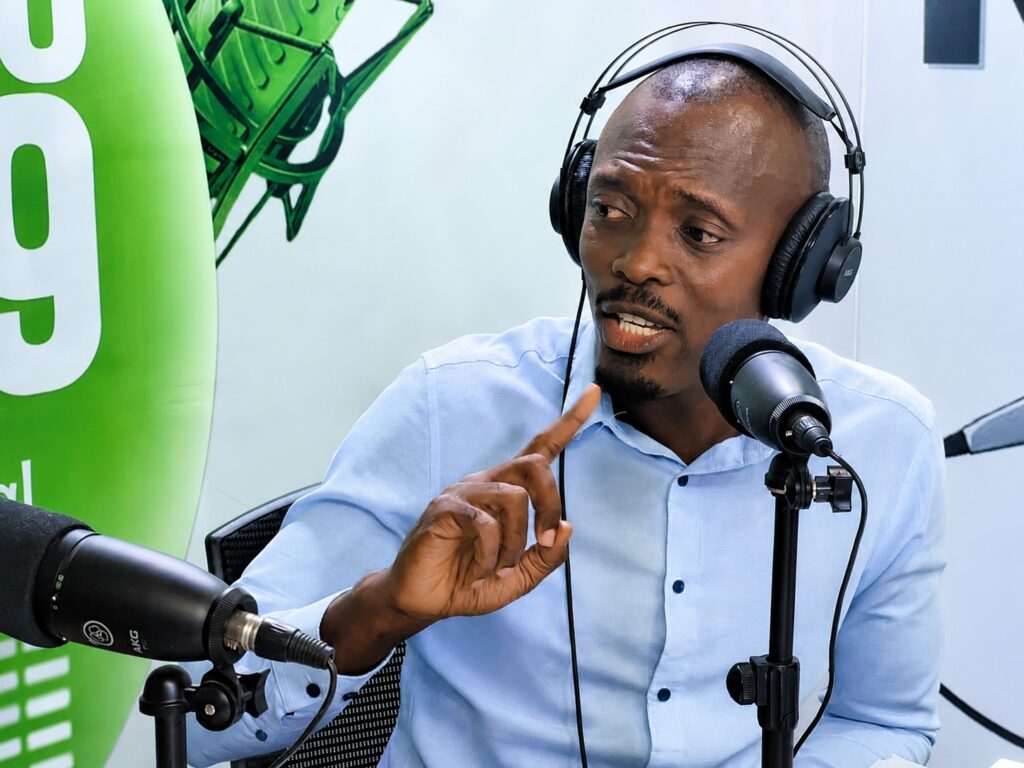
MONROVIA — Scrapping Liberia’s free tuition policy at the University of Liberia would not solve the institution’s deep governance and management problems, labour activist and part-time lecturer George Sahr Tengbeh said.
Tengbeh’s remarks come as a national debate sharpens over the policy’s future amid rising operational costs at the state-run university. UL President Layli Maparyan recently acknowledged growing expenses in transportation, fuel and electricity generation, fueling discussions about possible tuition increases.
Tengbeh pushed back, arguing that the university’s troubles long predate free tuition.
Poor sanitation, overcrowded classrooms, inadequate laboratory facilities, weak research capacity and poor administrative management were all present before the policy took effect, he said.
“The University of Liberia was already battling institutional weaknesses and management problems even before students were granted tuition-free access,” Tengbeh said.
He added that UL’s budget has grown over the past two fiscal years, undermining the argument that free tuition is driving the institution’s financial strain.
Tengbeh called instead for systemic reform — stronger accountability measures, more efficient management and sustainable financing that goes beyond government subsidy. He urged university leadership to pursue international partnerships, research grants and project funding secured through academic departments.
“Universities around the world depend heavily on partnerships, research grants, and project funding secured through departments and lead researchers,” he said. “Relying only on government subsidy is not sustainable.”
He also raised concern over what he described as low research output among some senior academic staff, arguing that globally competitive universities are built on innovation and external collaboration, not state support alone.
Tengbeh proposed an internal financial restructuring that would review salary expenditures and redirect resources toward infrastructure, laboratories and student welfare.
He warned that eliminating free tuition would push higher education out of reach for economically disadvantaged Liberians and reverse access gains the policy has delivered.
“Removing free tuition is not the solution,” Tengbeh said. “The real problem is systemic and requires institutional reform, better management, research-driven funding, and long-term planning.”






Discussion about this post