


Published: June 22, 2026
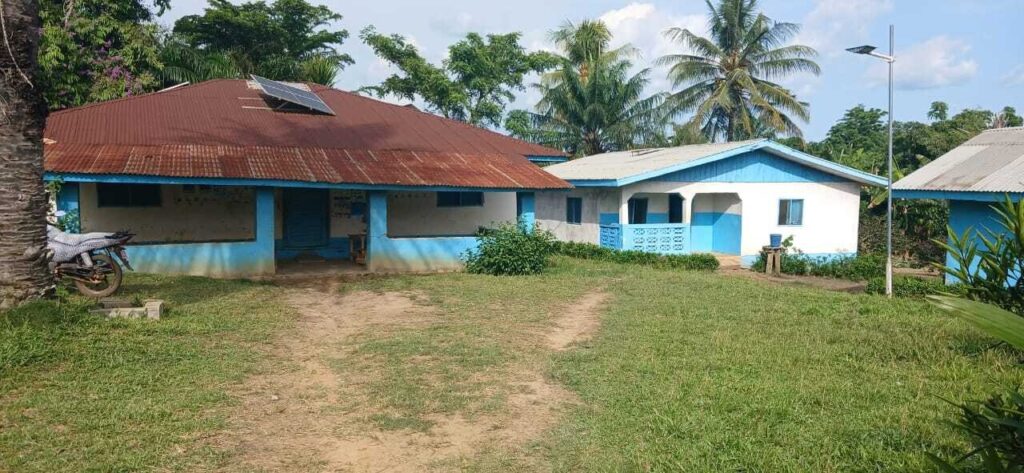
GBEYEI DUOYEE, Nimba— Report says thousands of residents in Gbeyei Duoyee and surrounding communities are facing a growing healthcare crisis following the closure of the Gbeyei Duoyee Clinic, a key medical facility that serves more than 20 towns and villages in northeastern Liberia.
Community leaders and residents say the clinic was shut down after an incident involving alleged witchcraft activities reportedly left a staff member blind, triggering fear, uncertainty, and tension throughout the area. According to local accounts, the incident sparked widespread concern among residents, eventually leading to the suspension of operations at the facility.
The matter has since been brought before the Magisterial Court in Saclepea District, where local residents are anxiously awaiting a final hearing expected in the coming days.
Meanwhile, the closure has left thousands without immediate access to healthcare, forcing many residents to travel long distances in search of medical treatment. Community members are now appealing to the Nimba County Health Team and national health authorities to urgently intervene and restore services at the clinic before the situation worsens.
A Critical Facility for Rural Communities
For years, the Gbeyei Duoyee Clinic has served as a lifeline for residents across the region, providing essential healthcare services to an estimated 4,000 people living in more than 20 communities. The facility has played a crucial role in maternal healthcare, childhood immunization, disease prevention, and emergency medical treatment.
Health advocates warn that prolonged closure of the clinic could expose vulnerable populations—including pregnant women, children, and the elderly—to serious health risks, particularly during emergencies when every minute can mean the difference between life and death.
Nimba: Liberia’s Economic and Demographic Giant
The unfolding situation is particularly significant because it is occurring in Nimba County, Liberia’s most populous county and one of its most economically important regions.
Located in the northeastern part of the country, Nimba shares borders with both Guinea and Côte d’Ivoire, making it a strategic commercial and cultural gateway. The county is renowned for its rich mineral deposits, fertile agricultural land, and vibrant cross-border trade activities.
Home to hundreds of thousands of residents, Nimba plays a critical role in Liberia’s national economy through mining, farming, and commerce. The county’s influence extends well beyond its borders, making developments there a matter of national interest.
Because of its large population and expansive rural communities, healthcare access remains a major concern, particularly in remote areas where clinics often represent the only source of medical assistance for miles around.
Witchcraft Allegations Continue to Stir Controversy
The case also highlights the continuing influence of traditional beliefs and witchcraft allegations in some rural parts of Liberia. While many Liberians embrace modern education, healthcare, and religious practices, accusations of witchcraft still occasionally emerge in communities across the country.
Such allegations often generate fear and social tension, leading to disputes that can affect community cohesion, livelihoods, and public services. In some instances, accusations have resulted in community conflicts, displacement of individuals, or disruptions to essential services.
Legal experts and human rights advocates have repeatedly urged communities to allow allegations involving supernatural claims to be handled through lawful and evidence-based processes rather than public speculation or mob justice.
Residents Demand Swift Intervention
As the court process continues, residents of Gbeyei Duoyee and neighboring towns are calling on county authorities, health officials, traditional leaders, and community stakeholders to work together toward a peaceful resolution that prioritizes public health and community welfare.
For now, the fate of the clinic—and access to healthcare for thousands of residents—remains uncertain, as families wait for authorities to determine the next course of action.
Many residents say their greatest concern is not the controversy itself, but the urgent need to reopen a facility they describe as indispensable to the wellbeing of the region.





Discussion about this post