


Published: July 8, 2024
Recently, the President of Liberia pressed the legislature to consider introducing the Value Added Tax (VAT) to replace the existing 10% sales tax, the GST. This consideration comes on the heels of the recent protest in Kenya over the introduction of new taxes—a bad timing I would say. However, is the VAT an onerous tax?
By Albert Nyuangar, Jr., Contributing Writer
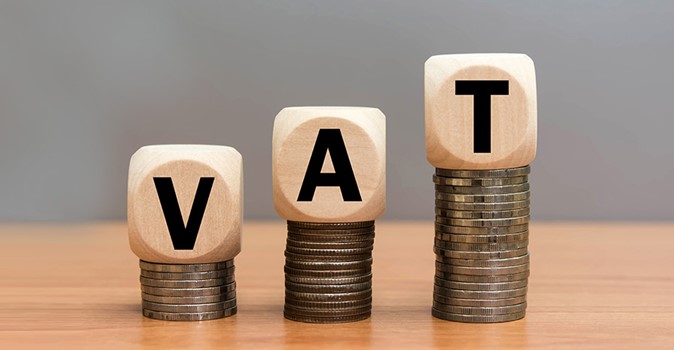
First, we may want to know what the VAT is. The Value Added Tax is a consumption tax levied on the value added to goods and services at each stage of production or distribution. Unlike the current sales tax, which is imposed at the final sales to consumers, the VAT captures value addition at multiple points along the supply chain.
Implementing the VAT is not without challenges. These may include initial resistance from businesses, potential inflationary pressures, and the need for robust administrative infrastructure. Generally, VAT is regressive if it is measured relative to current income. That is, lower-income households spend a greater share of their income on consumption, thus the burden of this tax is more on the lower-income quantile, which is problematic and a recipe for civil unrest—the case of Ghana. In 1995, Ghana experienced one of its worst public demonstrations as a result of public anger over the imposition of the VAT, leading to fatalities of 28 people. The government was compelled to withdraw the VAT policy because they had failed to build the consensus needed to implement the new law. This regressivity, however, is controlled when the VAT is introduced with other economic policy adjustments, i.e. exemptions of staple commodities consumed by low-income earners and more awareness is carried out prior to implementation.
Nonetheless, the VAT is a more equitable and predictable source of revenue for the government, particularly at a time when Liberia needs to mobilize domestic resources for economic growth. The VAT broadens the tax base by encompassing a wider range of economic activities and transactions, thereby reducing reliance on volatile revenue sources. In terms of design, the VAT eliminates the cascading effects inherent in the current GST tax regime, (We’ll talk about this more in our next article) by promoting efficiency in resource allocation and reducing administrative burden.
The impact on consumers and business
For consumers, VAT is expected to bring about moderate price adjustments as businesses adjust to the next tax regime. Businesses, especially small and medium enterprises (SMEs), will undergo an adjustment period as they familiarize themselves with VAT compliance requirements resulting in an increase in compliance costs. Regardless, the potential benefits of the reduced compliance costs and improved cash flow management over time are anticipated.
To avoid the case of Ghana and currently Kenya, the successful implementation of VAT will depend on effective stakeholder engagement, robust administrative capacity, and adaptability in response to feedback and challenges.
In conclusion, there has been a long-term discussion and robust planning on introducing the VAT in Liberia, and this represents a strategic step towards enhancing the country’s tax system and fostering economic resilience. While challenges lie ahead, the potential benefits for both the government and the private sector make the VAT a pivotal tool in driving Liberia’s future economic growth and development.
We’ll compare the VAT and the GST designs and advantages in the next article.






Discussion about this post