


Published: May 18, 2026
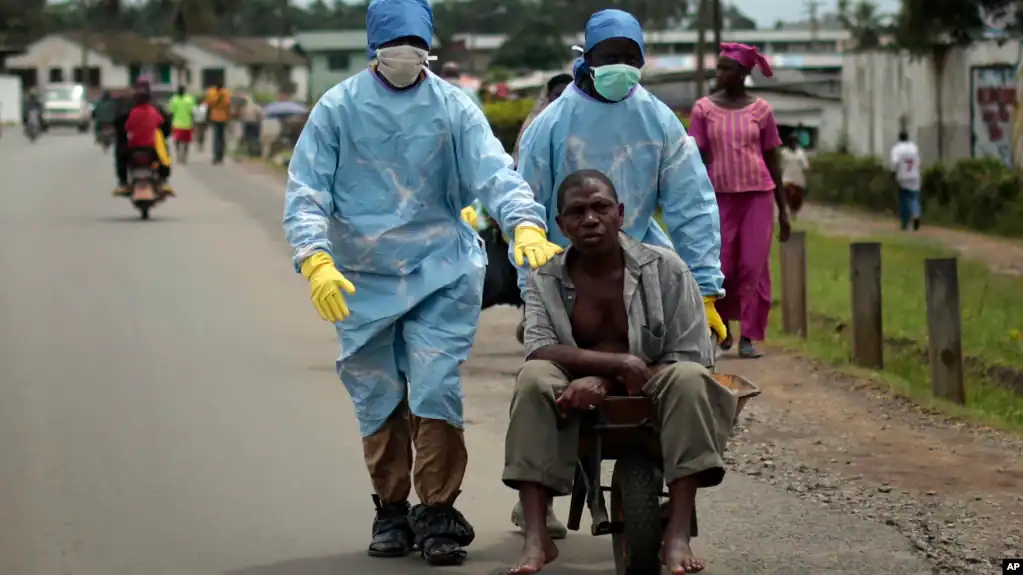
Liberia’s Ministry of Health was right to move swiftly in issuing a national Ebola alert following the latest outbreak in eastern Democratic Republic of Congo. The announcement that no confirmed case has been detected locally is reassuring. But reassurance must never become complacency.
For Liberia, Ebola is not an abstract foreign health story buried in international headlines. It is a national trauma written into the country’s recent history. Between 2014 and 2016, Liberia buried thousands, watched its health system nearly collapse, and endured economic and social devastation that exposed the fragility of state institutions and public health preparedness. That experience permanently changed the nation. It also imposed a responsibility: never again should Liberia be caught unprepared.
The Ministry of Health appears to understand that obligation. The government says surveillance systems, border monitoring, laboratory readiness, and healthcare worker preparedness have all been strengthened since the West African epidemic. These investments matter. They are the direct result of painful lessons learned through suffering, sacrifice, and international scrutiny.
But preparedness is not measured by press releases alone. It is measured by operational discipline, public trust, and speed of response under pressure.
The threat facing Liberia today is not necessarily the immediate arrival of Ebola. The larger danger is institutional fatigue. Public health systems often weaken after years without crisis. Emergency protocols become exercises on paper instead of habits in practice. Border vigilance relaxes. Communities stop paying attention. Funding priorities shift elsewhere. And eventually, countries convince themselves that past disasters cannot repeat themselves.
That would be a catastrophic mistake.
Liberia remains highly vulnerable to regional disease outbreaks because of porous borders, fragile healthcare infrastructure in rural counties, and persistent shortages in frontline medical capacity. The movement of people across West and Central Africa is constant. In a region where surveillance systems vary in strength, no country can isolate itself from infectious disease threats.
The Ministry’s emphasis on prevention and public awareness is therefore essential. During the last epidemic, misinformation spread almost as rapidly as the virus itself. Fear, denial, distrust of authorities, and dangerous rumors complicated containment efforts and cost lives. Liberia cannot allow that environment to return.
This moment also demands transparency from government. If suspected cases emerge, the public must receive timely, factual information, not delayed disclosures shaped by politics or fear of public panic. Trust is one of the most important tools in epidemic response. Once trust erodes, compliance collapses.
Equally important, Liberia must avoid the cycle of reactive governance that too often defines public sector management. Emergency readiness cannot become active only when another country reports an outbreak. Surveillance, sanitation, healthcare worker training, and laboratory investment must remain permanent national priorities, not temporary crisis responses.
The international community also has a role to play. The Ebola outbreak in Congo is another reminder that infectious diseases are global security threats, not isolated local events. African health systems should not be left scrambling for resources after outbreaks begin. Sustained investment in regional preparedness is far cheaper and more humane than managing humanitarian disasters after they spiral out of control.
Liberia’s scars from Ebola remain deep. But those scars also provide experience, institutional memory, and hard-earned lessons that many countries lack. The challenge now is ensuring those lessons are not forgotten.
Vigilance is not panic. Preparedness is not alarmism. Liberia’s health alert should be treated exactly as intended: an early warning to remain alert, disciplined, and ready.
Because when it comes to Ebola, history has already taught Liberia the cost of waiting too long.






Discussion about this post