


Published: July 20, 2026
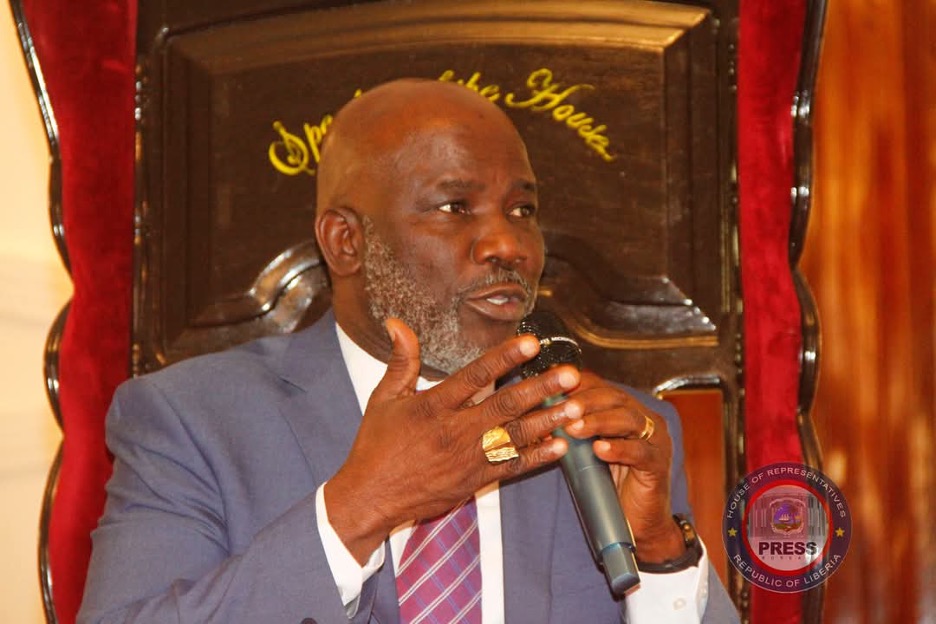
Monrovia — The House of Representatives has adjourned its regular sittings until October after concluding what Speaker Richard Nagbe Koon described as a productive Second Quarter of the Third Session of the 55th Legislature, during which lawmakers passed 31 legislative instruments, conducted 46 oversight hearings, held 21 regular sittings, and convened eight Executive Sessions.
The House officially closed the quarter on Thursday, July 16, with Speaker Koon thanking members for what he called their dedication, sacrifice and commitment to serving the Liberian people despite numerous challenges throughout the legislative period.
“Despite numerous challenges and competing demands over the past months, we have remained deeply focused on fulfilling our constitutional mandate through lawmaking, oversight, and representation,” Koon told lawmakers during the closing ceremony.
According to the Speaker, the House approved 31 legislative instruments, comprising eight bills sponsored by members of the House, 19 Executive Bills, and four resolutions.
The House also processed 100 communications, including 88 from members of the House, eight from the Executive Branch, four from various institutions, and seven from private individuals, reflecting what Koon described as a busy legislative calendar.
As part of its oversight responsibilities, House committees also conducted 46 hearings, during which public officials and representatives of government institutions appeared before lawmakers to account for the performance of their ministries, agencies and commissions.
Koon said the quarter’s achievements demonstrate the House’s commitment to placing national interests above partisan and individual considerations while strengthening transparency, accountability and public confidence in governance.
Despite the accomplishments, the Speaker acknowledged that significant legislative work remains unfinished.
He disclosed that 26 legislative instruments are still under committee consideration, including four House bills, two Senate bills, 13 Executive Bills, three resolutions and four petitions.
Koon urged committee chairpersons and members to use the recess productively by accelerating work on the pending measures so they can be ready for action when plenary resumes.
“I strongly urge our standing committees to intensify their efforts during this period to clear this legislative backlog before we reconvene,” he said.
The Speaker also praised the Office of the Chief Clerk, committee clerks and the House’s support staff for their professionalism throughout the quarter.
He further commended the media for promoting transparency by reporting on the Legislature’s work.
“Without your presence, the public would not know what we do as lawmakers, both individually and collectively. Your reporting continues to strengthen transparency and public understanding of the legislative process,” Koon noted.
As lawmakers departed for the annual constituency recess, the Speaker reminded them that the adjournment does not suspend their constitutional responsibility to represent the people who elected them.
“I encourage each of you to remain actively engaged with your constituents. Go into your districts, listen to their concerns, monitor ongoing development initiatives, and continue serving as their voice and advocate,” he urged.
He said lawmakers should use the recess to strengthen their relationship with constituents and return to Capitol Hill in October with renewed commitment to address the remaining legislative agenda.
The House’s adjournment is consistent with Article 32(a) of the 1986 Constitution, which provides that the Legislature shall meet in regular session beginning on the second working Monday in January each year. During the annual recess, lawmakers return to their constituencies to continue their representative responsibilities before regular sittings resume in October.
However, the constitutional break does not prevent lawmakers from being recalled. Under Article 32(b) of the Constitution, the President may, by proclamation, extend a regular session or convene a special or extraordinary session whenever national interest or an emergency requires. A special session may also be called upon a certificate signed by at least one-fourth of the members of each House.
Barring such a recall, members of the House of Representatives are expected to remain in their respective districts until regular legislative sittings resume in October 2026.





Discussion about this post