


Published: July 20, 2026
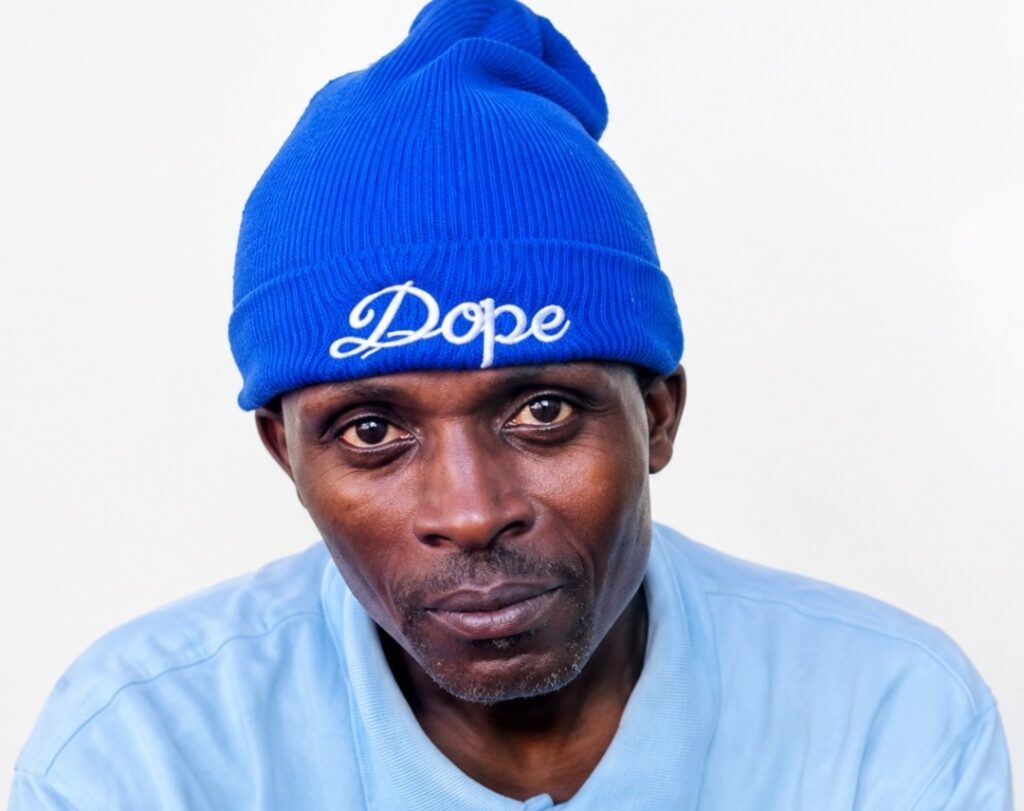
MONROVIA – Popular Liberian recording artist Tom C. Wion, widely known as Picardo, has officially announced his retirement from music, saying he has no plans to return to recording and is shifting his focus to a professional career in management and information technology.
The announcement marks the end of an era for Liberia’s music industry. Picardo, whose hit songs—including the classic “Chameleon”—made him one of the country’s most celebrated artists, had been absent from the spotlight for years following a widely publicized battle with mental illness.
Speaking in an interview with fellow Liberian artist Noy-Z, Picardo said music is no longer his priority despite continued appeals from fans for a comeback.
“Right now, I’m not really thinking about music again. I think that it has passed. The age has passed now. So I’m thinking about different aspects. Music is not actually my priority right now,” he said.
The veteran musician explained that he intends to build his future around the education he pursued while still active in the entertainment industry.
“I don’t think that would be the best option, really. I could get a job. My career now—I’m a manager. I also did IT as well. So in one of those areas, I can find a job now to survive. That’s my future right now. The music game has passed, and I’m so sorry to let you know that I’m not thinking about music right now. It’s not even on the back of my mind,” he said.
Reflecting on his journey, Picardo credited close friends and mentors for encouraging him to return to school at the height of his music career, advice he said ultimately prepared him for life beyond the stage.

“He spoke to me about my talent, and I believed in what he told me and brought it to light. But on another hand, he told me about education. He encouraged me to go back to school… I went back to school. I earned a degree, and they were very much proud of me after I went through my period at the University of Liberia,” he recalled.
Picardo said music served as the stepping stone that enabled him to attain his educational goals, making it difficult to abandon the opportunities his qualifications have created.
“I walked on so many routes to get here. There’s no way I can just let everything go easily and betray the effort. I used the music game as a stepping stone to get there. Now that the music game has come to pass, my career is in management, and I also did IT,” he said.
Beyond his career decision, the former music star celebrated what he described as his greatest personal victory—recovering from mental illness.
“I’d like my fans to know that I was unhealthy. Now I’m healthy. That’s one of the greatest things I’ve gotten back. I want you to know that I’m alive again,” he said.
He thanked supporters who stood by him during his difficult years and urged fans to continue believing in him even as he closes the chapter on his music career.
“Keep believing in me that I’m a legend. My music career is over now, but at least the music is still alive,” he added.
Although he acknowledged that many admirers still want him to return to the studio, Picardo said any such decision would require “lots of thinking,” signaling that a comeback remains highly unlikely.
His retirement closes a remarkable chapter in Liberia’s contemporary music history, but his legacy endures through songs that continue to resonate with audiences across the country.







Discussion about this post