


Published: July 1, 2026
ABUJA, Nigeria — The West African Tax Administration Forum and the African Capacity Building Foundation have reaffirmed their strategic partnership to strengthen the capacity of tax and customs administrations across West Africa to respond to the rapidly expanding digital economy.
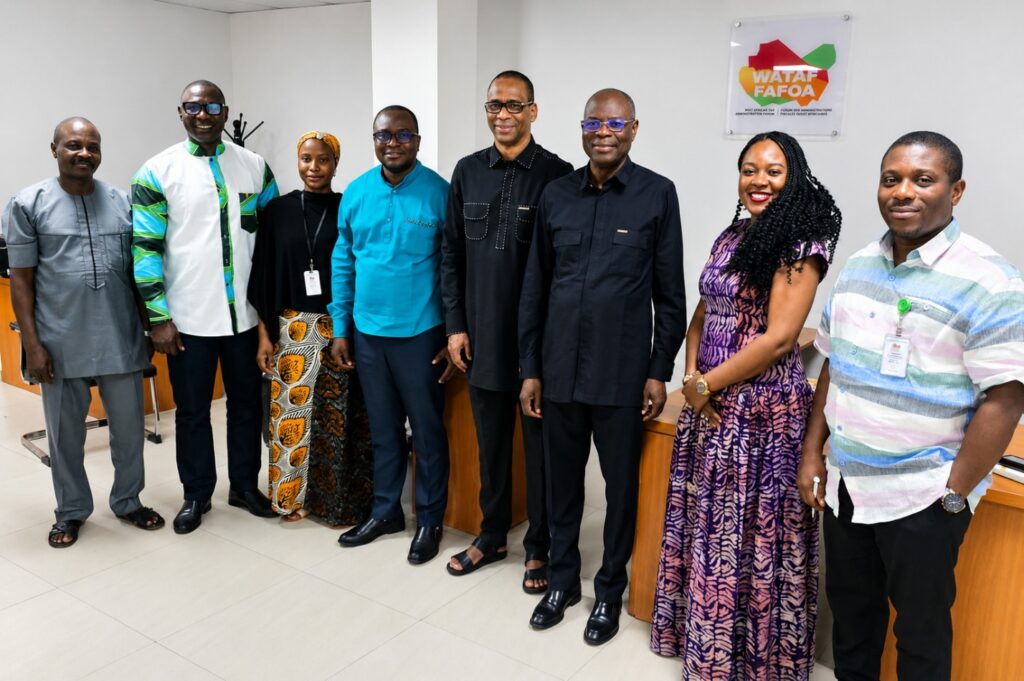
The renewed commitment was announced following a high-level meeting between executives of the African Capacity Building Foundation (ACBF) and the WATAF Secretariat in Abuja on June 26, where both institutions advanced preparations for the second phase of the Regional Executive and Technical Master Class on the Taxation of the Digital Economy. The meeting marks another milestone in implementing the Memorandum of Cooperation signed by the two organizations in September 2025 to build institutional capacity and technical expertise in digital taxation throughout the region.
The initiative comes as governments across Africa seek to modernize their tax systems to keep pace with the rapid growth of digital commerce, cross-border online services and technology-driven business models that increasingly challenge traditional tax frameworks. The first phase of the Regional Executive and Technical Master Class was conducted virtually in February and attracted more than 170 participants from West Africa and beyond.
Participants included commissioners-general, deputy heads of tax administrations, directors responsible for tax policy, value-added tax, international taxation, information and communication technology, and large taxpayer offices.
According to WATAF, the second phase, scheduled to take place later this year, will provide in-person technical training aimed at equipping senior tax officials and specialists with practical tools and strategies to address the complexities associated with taxing digital business models. The organizations say strengthening expertise in digital taxation is becoming increasingly important as digital transformation continues to reshape economies, alter business operations and redefine international taxation.
The latest collaboration builds on WATAF’s broader efforts to strengthen domestic revenue mobilization across West Africa. Between 2024 and June 2026, the organization implemented 26 regional training programs that reached nearly 2,000 tax officials from member countries. Those programs were designed to enhance institutional and technical capacity in tax administration while promoting regional cooperation, professional development, technical assistance and policy dialogue among tax authorities.
Leading the ACBF delegation during the meeting, Director of Programs and Impact Abdrahamane Dicko praised WATAF’s expanding role in professional development across the region and reaffirmed his organization’s commitment to strengthening the partnership. “WATAF and ACBF have much in common. We share a common commitment to capacity building and institutional strengthening, and there are many opportunities for us to work together to build stronger tax administration across West Africa,” Dicko said.
He noted that capacity development often presents complex challenges but said strong institutional partnerships help improve results by combining expertise, financial resources and regional experience. Dicko also emphasized that future training initiatives should be evaluated not only by the number of participants but by their measurable impact on institutional performance. “What comes after the figures? How do we demonstrate the relevance and institutional impact beyond the number of participants? We need practical tools and frameworks to measure how knowledge translates into stronger institutions and improved performance,” he said.
Also addressing the meeting, Peguewinde Rudolphe Bance, ACBF’s head of economic and social governance and head of the foundation’s Nairobi office, described the WATAF-ACBF collaboration as an important investment in strengthening tax administration throughout West Africa. He commended the successful implementation of the first phase of the master class and disclosed that both institutions are finalizing implementation arrangements for the second phase.
According to Bance, the upcoming training will provide tax administrations with the knowledge and practical skills needed to effectively address the growing challenges posed by the digital economy.
Welcoming the ACBF delegation, WATAF Executive Secretary Jules Tapsoba thanked the foundation for its continued confidence in the regional organization and reaffirmed WATAF’s commitment to delivering high-quality professional development programs for member tax administrations. “We thank ACBF for this valuable partnership. Together, we are strengthening the knowledge and technical capacity of tax administrations to effectively address digital taxation and other emerging tax challenges,” Tapsoba said.
He said strengthening the expertise of member tax administrations remains central to WATAF’s long-term mandate and noted that the Digital Economy Master Class emerged as one of the flagship initiatives endorsed during the organization’s 2025 General Assembly in Freetown, Sierra Leone.
Looking ahead, Tapsoba said WATAF intends to deepen collaboration with development partners to expand regional expertise in digital taxation, value-added tax administration and harmonization, international taxation and other strategic areas that support stronger domestic revenue mobilization. The renewed partnership reflects growing recognition among African policymakers that tax authorities must continuously develop new skills and modern regulatory approaches as digital technologies transform economies across the continent.
For both organizations, the collaboration extends beyond technical training. It seeks to strengthen institutions, improve policy implementation and foster greater regional cooperation as governments pursue sustainable development through stronger domestic revenue generation.
As West African economies become increasingly digitized, WATAF and ACBF say they remain committed to equipping tax administrations with the expertise, practical tools and collaborative frameworks necessary to effectively tax the digital economy, safeguard domestic revenues and promote regional economic integration.






Discussion about this post