


Published: September 12, 2025
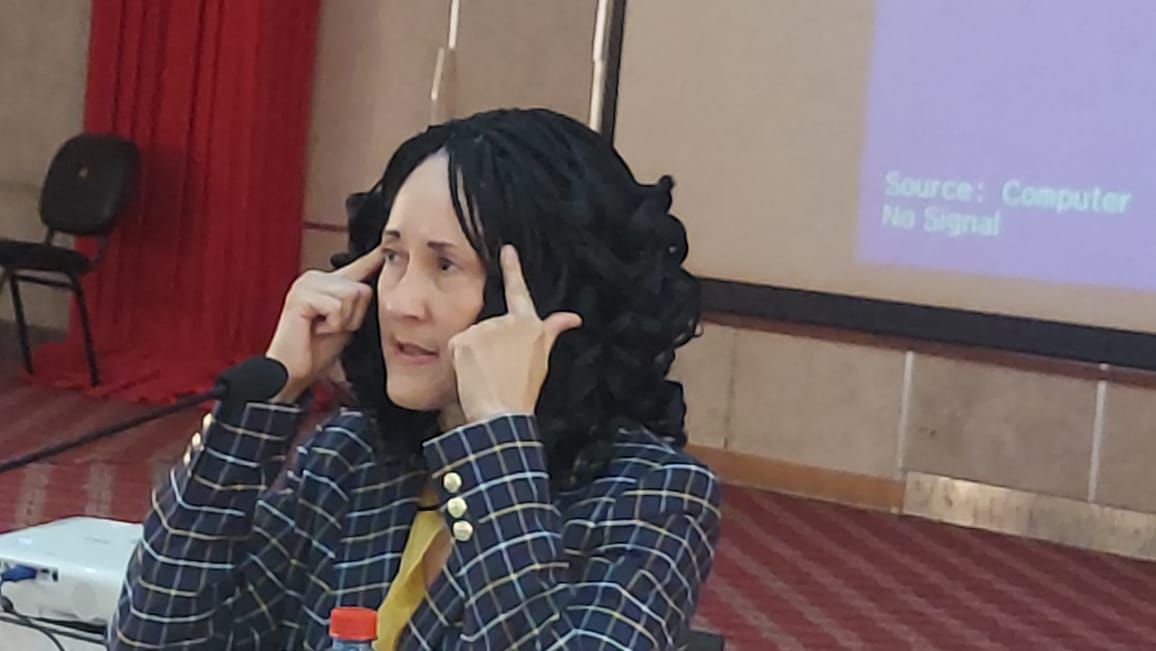
MONROVIA — University of Liberia President Dr. Layli Maparyan met Thursday with medical and pharmacy students after they protested a proposed 40 percent stipend cut, a plan she said has been withdrawn but that highlights the fragility of Liberia’s aid-dependent education system.
Maparyan told The Liberian Investigator that the proposal was never implemented and that she has instructed the College of Health Sciences to explore alternatives. “Today, the medical and pharmacy students met with me to let me know that they opposed this plan and to talk about some alternatives,” she said. “I agreed to speak further with the dean of the College of Health Sciences to see whether there was another way to address the gap. We are still in dialogue.”
Donor Shortfalls Expose Vulnerability
The university’s budget gap follows the cutoff of financial support from the U.S. Agency for International Development (USAID) and other foreign partners that for years have underwritten higher education and public services in Liberia. USAID previously funded scholarships, infrastructure, and faculty development. Its exit has left institutions scrambling to sustain programs critical to national development.
A lecturer at the College of Health Sciences, speaking on condition of anonymity, said the crisis reflects chronic underfunding. “The university’s problem is much more about low funding than leadership. Even the best president cannot succeed without the resources needed to keep colleges running,” the lecturer said.
Students Push Back
For students, stipends are survival tools that cover housing, food, and academic expenses in a country where higher education often demands major sacrifices. “We appreciate the university’s transparency, but cutting our stipends would make it nearly impossible for some of us to continue our studies,” a student leader told reporters after the meeting.
Students argued the cuts would derail Liberia’s efforts to train doctors and pharmacists, professions already in short supply.
Searching for Alternatives
While some faculty have suggested temporary cuts could ease the budget strain, Maparyan stressed she would not move forward without consensus. “Let it be known to the public that there has been no 40 percent cut,” she said. “The university is looking for sustainable paths forward that balance our fiscal realities with the need to support those pursuing these very demanding fields of study.”
Her administration is exploring cost-saving and fundraising measures to stabilize the College of Health Sciences, part of a wider effort to keep the university afloat amid reduced donor funding.
Crisis in Higher Education
The stipend dispute comes as faculty members continue their strike over unpaid salary arrears, delaying the start of classes for more than a week. Maparyan has requested US$500,000 from the government for renovations and salary support, but Finance Minister Boima Kamara recently told lawmakers the funds are not in the 2025 budget and cannot be guaranteed.
From road construction to health care, donor contributions have long propped up essential services in Liberia. The current crisis raises broader questions about how the country will sustain its universities — and train the professionals it needs — when aid is no longer sufficient.





Discussion about this post