


Published: September 28, 2026
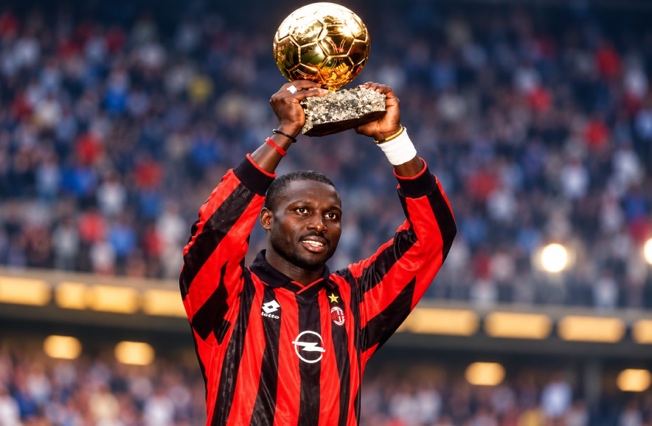
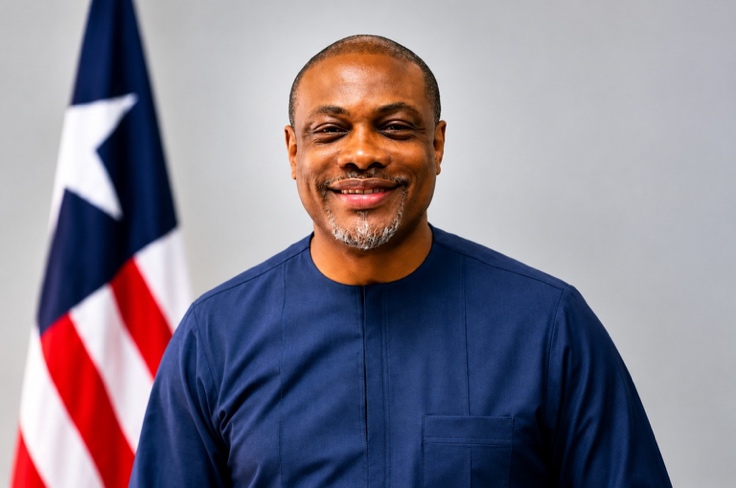
MONROVIA — Nimba County District 9 Rep. Taa Wongbe, a vocal critic of former President George Manneh Weah and his Congress for Democratic Change, has offered rare public praise for the former Liberian leader, crediting him for breaking barriers in world football, persevering through an extraordinary personal and political journey and, most importantly, conceding the closely contested 2023 presidential election.
By Blamo N. Toe
Wongbe’s lengthy Facebook post over the weekend quickly stirred political debate, with some Liberians applauding the lawmaker for recognizing Weah despite their political differences, while others questioned the timing and speculated about whether his remarks signal a shift in his political posture.
The post came after Liberia’s Lone Star lost 3-1 to Rwanda on Friday in Kigali in its opening 2027 Africa Cup of Nations qualifier, despite a performance that Wongbe said prompted a broader conversation about Liberian football and Weah’s legacy.
“Yesterday, after Liberia’s loss to Rwanda, a conversation about football with some of my ECOWAS colleagues here in Ghana somehow turned into a conversation about former President George Weah…his legacy in football and the presidency,” Wongbe wrote.
According to Wongbe, the conversation eventually shifted to Liberia’s 2023 presidential election, which Weah lost to President Joseph Nyuma Boakai by 20,567 votes in the runoff.
Wongbe said one of his colleagues expressed disbelief that a sitting African president would accept such a narrow defeat and suggested that Weah deserved recognition for his decision.
For Wongbe, the reflection was striking because he said he has never voted for Weah and was a strong opponent of his administration.
“I have never voted for George Weah. I have never supported him politically. And this is not an endorsement of his record as President. In fact, I was an opposition and a major critic to his administration,” Wongbe recalled. “There are many things about his presidency that I believe could have been done differently and better. History will debate that record, as it should.”
But Wongbe said political disagreements should not prevent Liberians from recognizing aspects of Weah’s life and legacy that he believes deserve acknowledgment.
He traced Weah’s journey from humble beginnings in Monrovia to becoming one of the most celebrated footballers in the world.
In 1995, Weah won the Ballon d’Or and FIFA World Player of the Year honors and was named African Player of the Year, accomplishments Wongbe cited as evidence of the extraordinary distance Weah traveled from Liberia to football’s global stage.
“Before politics, before the presidency, before any of this, George Weah had already put Liberia on the world map,” Wongbe wrote.
He also reflected on Weah’s humanitarian activities during Liberia’s civil conflict, including his association with UNICEF and his continued involvement with the national football team.
Wongbe then turned to Weah’s political journey, recalling his unsuccessful presidential bid in 2005 and his decision to later withdraw his challenge to the election results.
“In 2011, he returned as Winston Tubman’s running mate after much talk of his education and experience. Even though he had the people, and the numbers, he went as VP. That election was contentious and the CDC ultimately boycotted the runoff,” Wongbe stated.
He noted that Weah later contested the 2014 senatorial election in Montserrado County and won overwhelmingly.
“I remember that election well because I supported my friend Benjamin Sanvee. We wanted something different. The people chose Weah,” Wongbe wrote.
Three years later, Weah won the presidency after more than a decade of involvement in Liberian politics.
But Wongbe placed particular emphasis on the 2023 election, when Weah sought a second term against Boakai.
“Then came 2023,” he continued. “This time, he was not the challenger. He was the sitting President—with all the power and advantages that incumbency brings.”
Wongbe said Weah’s concession following the close runoff should remain an important part of discussions about his political legacy.
“And before the final results were even formally declared, George Weah conceded. No attempt to overturn the result. No constitutional crisis. No effort to hold Liberia hostage to one man’s political ambition. He accepted that the country was bigger than the presidency. That matters,” Wongbe wrote.
The Nimba lawmaker also reflected on how Liberians assess their leaders and public figures, arguing that disagreements over Weah’s presidency should not erase his achievements outside politics.
He described Weah as a product of Liberia’s difficult circumstances but also an example of how far a Liberian from a disadvantaged background could rise.
According to Wongbe, Weah carried Liberia’s flag onto some of football’s biggest stages, endured electoral defeat, became a senator, eventually won the presidency and later relinquished power after losing his reelection bid.
“We can debate President Weah’s six years in office and we should. We can also ask whether someone who reached the absolute pinnacle of football should have done far more to transform Liberian football and sports and we should ask that too,” Wongbe said.
But, he argued, political disagreement and appreciation do not have to be mutually exclusive.
“So today, I simply want to give George Manneh Weah his flowers for what he accomplished for Liberia on the world stage,” Wongbe wrote. “For the barriers he broke for African football. For the perseverance of his journey. And especially, for that moment in 2023 when political power and peace stood on opposite sides of a painfully close election—and he chose to let Liberia move forward.”
He concluded: “Whatever else history ultimately writes about George Weah, that chapter deserves to be remembered. Respect, Mr. President.”
Wongbe’s remarks generated hundreds of reactions and comments, with the discussion quickly extending beyond football into Weah’s presidency and Wongbe’s own political future.
Some commenters praised Wongbe for publicly acknowledging someone he had opposed politically.
“This post honestly brought tears to my eyes. Sometimes we become so divided by politics that we forget to stop and appreciate the journey of a fellow Liberian,” Venus Pratt wrote. “Reading this made me reflect deeply on how far George Weah came—from the streets of Monrovia to becoming one of the greatest footballers in the world, and eventually becoming President of Liberia. Regardless of political differences, that journey is extraordinary.”
Others challenged Wongbe over his past opposition to Weah.
“Did you explain to your colleagues why you didn’t vote for him?” Bettie Johnson Mbayo asked.
Samukai V. Konneh questioned why Wongbe’s reflection was coming nearly three years after the election.
“So, all these realisations came after almost three years from 2023 elections and your foreign friends reminding you?” Konneh wrote. “I thought all of the above you wrote were a given to every Liberian to know and beware of? Did it have to take all these months and your foreign friends to remind you of who and what Weah is and did for peace in Liberia? Looks like you’re not too good a history, my honorable.”
Another commenter, Edward T. G. Tweh, appeared to challenge Wongbe to clarify his political direction.
“Chief, the ball is in your court. Draw your line and take your side Mr. P.R.O,” Tweh wrote.
The mixed reactions underscored the political sensitivity surrounding Weah’s legacy and Wongbe’s unexpected praise. While supporters of the post framed it as recognition across political lines, other commenters interpreted it as potentially carrying broader political meaning — speculation Wongbe did not state in the post.
For Wongbe, however, his stated message was narrower: Liberians can continue debating Weah’s six years as president while separately recognizing the football achievements, perseverance and peaceful transfer of power that he believes should form part of the former president’s historical record.



Discussion about this post