


Published: April 29, 2026
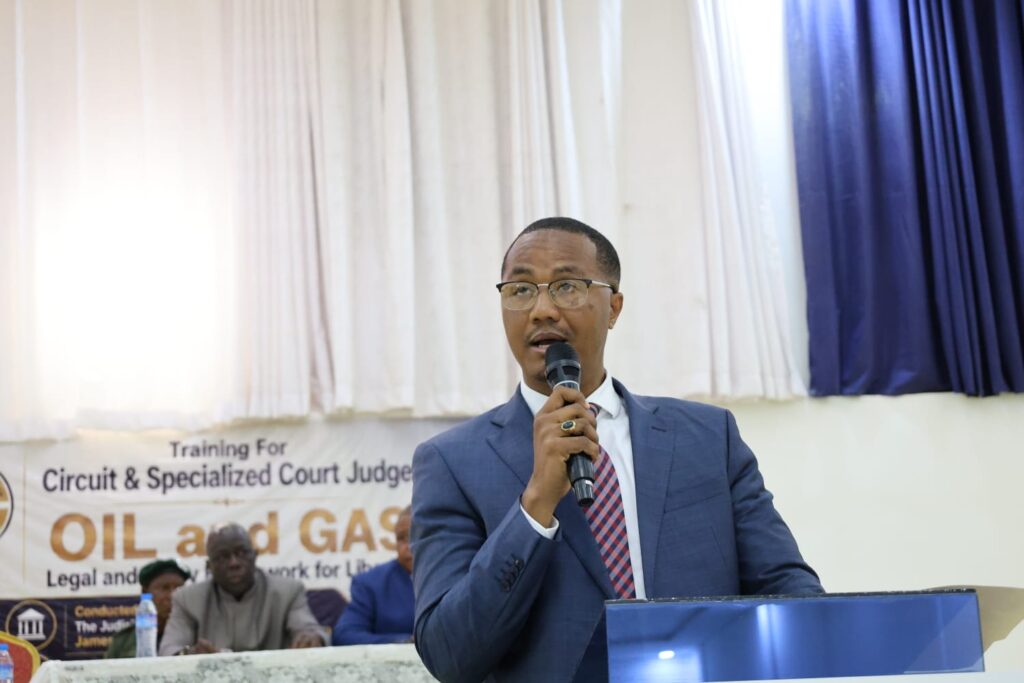
GANTA, Nimba County — The head of Liberia’s national oil company told the country’s judges Monday that international petroleum companies already assume Liberia’s legal system is weak and will aggressively exploit that assumption once oil production begins, and that only a better-trained judiciary stands in the way.
Fabian Michael Lai, president and CEO of the National Oil Company of Liberia, made the warning at the opening of NOCAL’s first-ever judicial training program, a three-day workshop bringing together Chief Justice Yamie Quiqui Gbeisay, circuit and specialized court judges, and technical experts to build the bench’s capacity to handle complex oil and gas disputes.
“They are smart. They are aggressive,” Lai said of multinational oil companies. “They assume that Liberia is an easy place, that our laws are weak, our judges are tired, and our people are divided. They are wrong. They are wrong because of you.”
The training, held in Ganta and running through April 29, covers the fundamentals of petroleum exploration, financial and governance structures in oil contracts, and the legal clauses Lai said companies use to shield themselves from accountability.
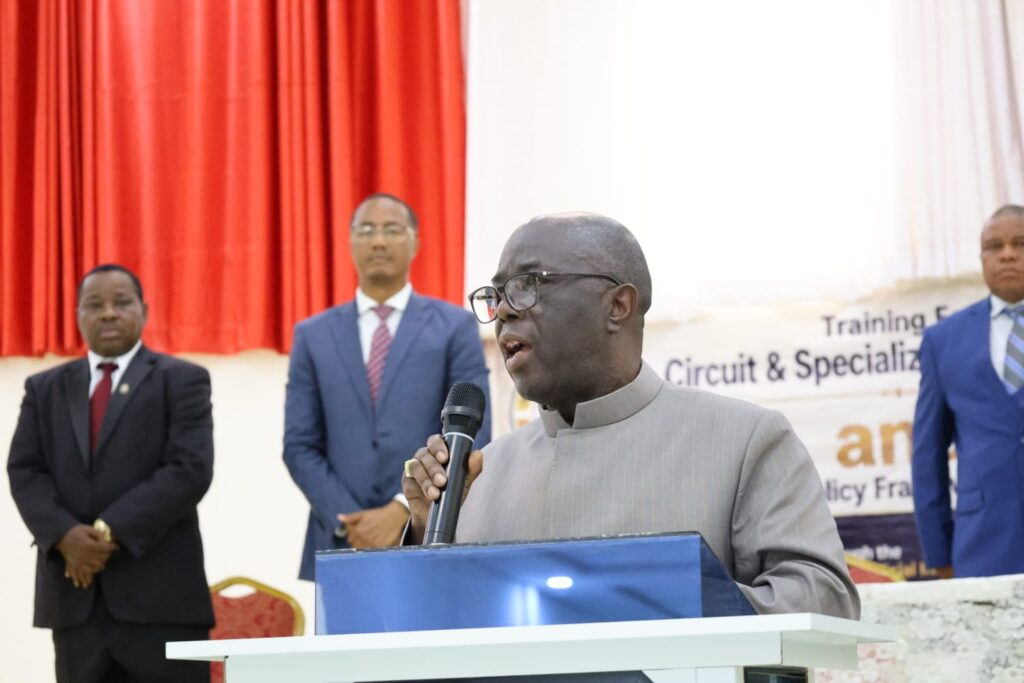
Lai walked judges through scenarios that illustrated how familiar legal disputes would look different when a billion-dollar corporation with an international legal team is on the other side, and when contracts route arbitration to Paris, London or New York rather than a Liberian courtroom.
“Now imagine those same parties, but one of them is worth over a billion dollars, with a legal team from across the globe, and an arbitration clause that says the dispute will be heard in Paris, not in your courtroom,” he said. “That is the future, Your Honors.”
He warned that companies embed potentially damaging provisions deep inside lengthy contracts, singling out stabilization clauses, which can exempt companies from complying with future Liberian laws, and force majeure clauses, which can suspend payment obligations for years. He called such provisions the places “where companies hide the landmines.”
On financial transparency, Lai told judges to scrutinize cost structures that siphon revenue out of the country.
“When a company tells you they are losing money and they are claiming a $50 million management fee to a shell company in the Cayman Islands, you will know, and you will know exactly what questions to ask,” he said.
Lai urged judges to resist pressure to cede jurisdiction over disputes involving Liberian resources to foreign arbitration bodies.
“Say no,” he told them. “Remind them: this dispute happened on Liberian soil, these resources belong to the Liberian people, and this court has jurisdiction. That is not nationalism, it is the rule of law.”
He framed the training as both a professional obligation and a constitutional one, telling judges their oaths of office were written precisely for moments like this.
“The oil is coming, maybe in two years, maybe in five, but it is coming,” Lai said. “Will we be a nation of laws, or a nation of men?”
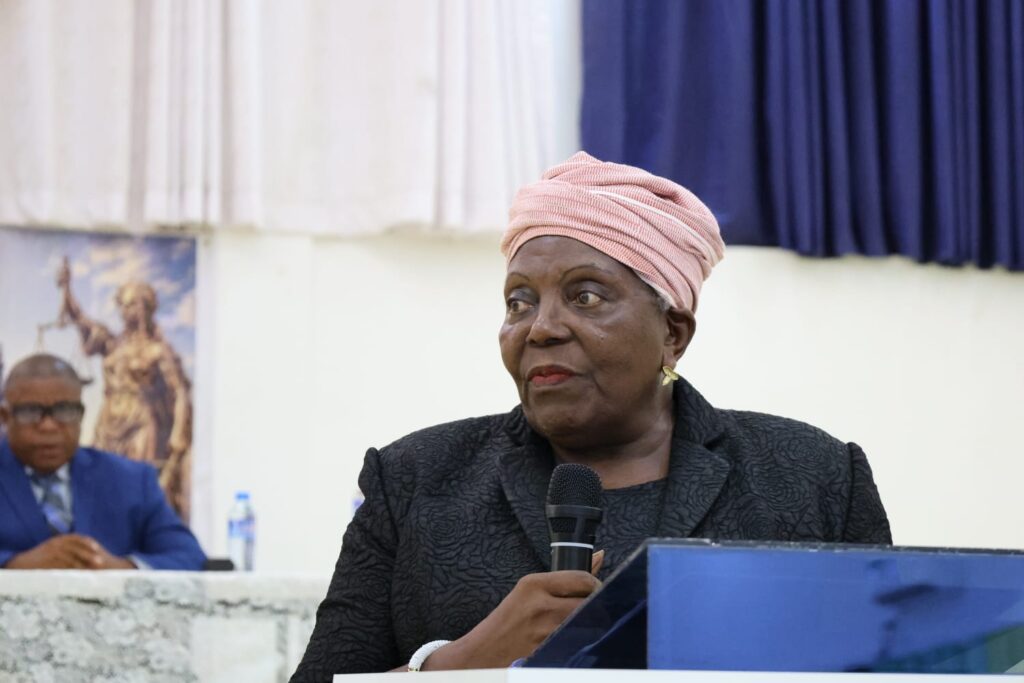
Chief Justice Gbeisay and other members of the judiciary welcomed the training, describing it as timely, and participants pledged to apply the knowledge to strengthen Liberia’s legal framework ahead of the country’s anticipated petroleum boom.






Discussion about this post