


Published: May 13, 2026
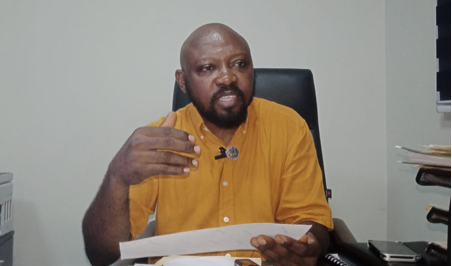
MONROVIA — The price of sachet water has doubled in parts of Monrovia, residents are drawing from creeks and open wells, and the state water utility is losing nearly half its treated water through leaking pipes before it reaches anyone’s tap. Payma Christopher Quoiquoi, CEO of Rhema Spring Natural Mineral Water, has heard enough.
“This is not just a shortage; it’s a crisis of dignity and health,” Quoiquoi told journalists at the company’s headquarters in Brewerville, calling Liberia’s water situation a national emergency that demands action well beyond political posturing and bureaucratic delay.
His remarks come as communities across Monrovia, including Clara Town, Logan Town, and Chicken Soup Factory, report prolonged pipe-borne water shortages that have forced residents to rely on sachet water and unsafe alternative sources. The cost of a single bag of sachet water has climbed from L$5 to L$10 in several neighborhoods, while a full sack has risen from roughly L$75 to L$90 in some markets.
The Liberia Water and Sewer Corporation has attributed the shortages to a combination of the prolonged dry season, recurring power outages that disrupt pumping operations at the White Plains Water Treatment Plant, and a distribution network so compromised by leaks and illegal connections that it loses more than 40% of treated water before delivery.
Quoiquoi called on both government and the private sector to move faster. “We cannot sit and watch our people suffer,” he said. “Government is doing its part, but the private sector must also step up. Water is life, and life cannot wait for bureaucracy.”
He rejected any suggestion that his intervention carried political motivation. “Thirst has no political party,” he said. “When a child cries for water in New Georgia or in Pleebo, the sound is the same.”
LWSC Managing Director Mo Ali, reached by phone, welcomed private sector engagement and disclosed that the corporation is pursuing approximately US$35 million to overhaul Monrovia’s water distribution infrastructure, much of which is more than 50 years old. “The challenge is huge, but partnerships like this keep hope alive,” Ali said.
The Ministry of Health has issued a public advisory urging residents to boil or chlorinate water drawn from creeks and open wells to guard against cholera and diarrhea outbreaks.
For those already bearing the daily weight of the crisis, the advisories offer cold comfort. “We buy water to drink, water to wash fish, water to bathe,” said Kebbeh Sumo, a fish seller at Duala Market. “If Rhema can bring tankers, we will thank them. But government must fix the pipes for good.”






Discussion about this post