


Published: August 3, 2026
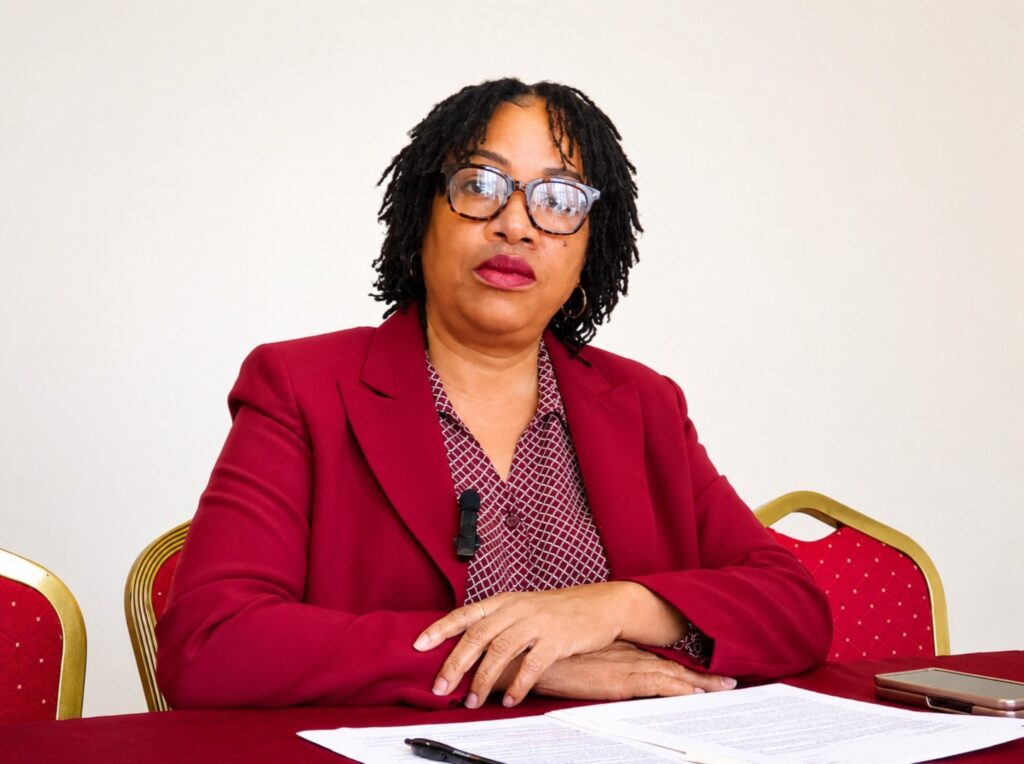
MONROVIA – Liberians can now ask an artificial intelligence system about their legal rights and receive an answer in plain language drawn from Supreme Court opinions dating back to 1861, under a platform launched in Monrovia over the weekend.
The system, called CJ Lewis, was developed by LibLaw, which describes itself as Liberia’s largest digital law library, with support from the Office of the United Nations High Commissioner for Human Rights. LibLaw says it is the first legal-learning AI platform built for Liberian law.
“For generations, Liberia’s law has been locked away, in heavy volumes, in scattered court records, and in language that ordinary citizens could not easily follow,” LibLaw Managing Director Cllr. Kim A. Harris said at a news conference announcing the launch.
Harris said the platform runs on LibLaw’s existing database of Supreme Court opinions from 1861 to 2026, together with statutes, regulations and legal analytics, and returns answers within seconds to users on a mobile phone or a computer.
Beyond routine questions, she said, the system briefs cases, summarizes court decisions and works through legal scenarios. “It provides simple answers to everyday questions, gives well-reasoned responses on complex and doctrinal matters, briefs cases, and analyses real-life scenarios, all at the fingertips of the user,” she said.
Harris said the tool removes the two barriers that have kept legal information out of ordinary hands. “Access is no longer limited by geography or by cost; the law now travels to the people, anytime and anywhere,” she said.
She framed the platform as a route to legal literacy rather than a research shortcut for lawyers. “A young person can learn what protections the Constitution affords them; a woman can learn the redress available to her; a community can learn the human rights standards their leaders are bound to uphold,” she said.
Harris thanked the U.N. human rights office, saying its partnership and technical support were central to building the platform, expanding public access to legal information, supporting Liberian law students and keeping human rights standards at the center of the system.






Discussion about this post