


Published: June 5, 2026
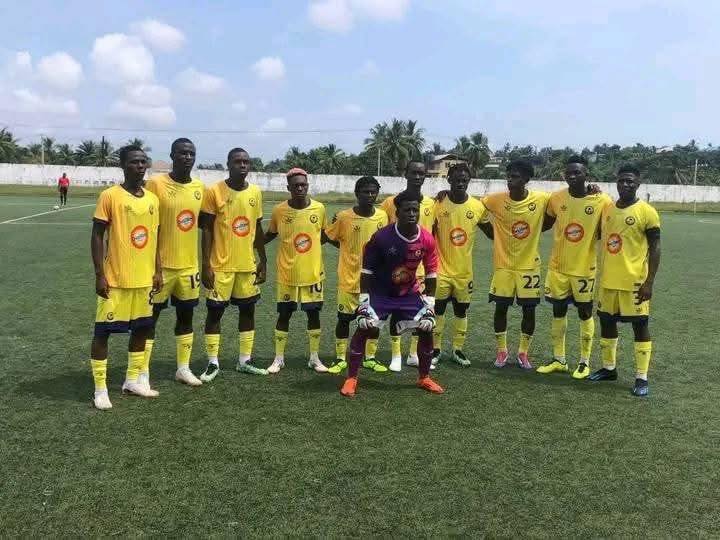
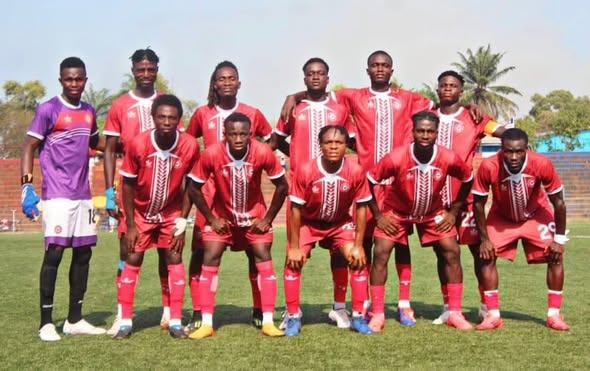
If Liberian football is serious about improving its image and strengthening the domestic game, two of its most historic clubs must return to prominence: Invincible Eleven and Mighty Barrolle.
Across Africa, traditional clubs continue to play a vital role in the success and popularity of their leagues. In Morocco, Wydad AC and Raja Club Athletic remain among the country’s biggest clubs despite the rise of RS Berkane. In South Africa, Kaizer Chiefs and Orlando Pirates continue to attract massive support even amid the dominance of Mamelodi Sundowns.
The same pattern exists elsewhere. In Egypt, Al Ahly and Zamalek remain the standard-bearers despite the emergence of Pyramids FC. In Tunisia, Esperance Sportive de Tunis and Club Africain continue to rank among the country’s major football institutions. Tanzania’s football landscape still revolves around Young Africans and Simba, while Zimbabwe’s football identity remains closely linked to Dynamos and Highlanders.
Liberia is no different.
For years, administrative instability and poor decision-making have hampered both Invincible Eleven and Mighty Barrolle, preventing them from sustaining the standards that once made them giants of Liberian football. Their decline has not only affected the clubs themselves but has also weakened one of the country’s most important rivalries and traditions.
The reality is that Liberian football needs them.
The question is whether those leading the clubs are prepared to make the changes necessary to restore them. Are they willing to invest their time, energy and resources in the development of the clubs rather than personal or political interests?
There is no denying that Watanga FC, LISCR FC, Fassell FC and Bea Mountain FC have made valuable contributions to the growth of Liberian football. Their investments have helped raise standards and improve competition. However, they cannot replace what Invincible Eleven and Mighty Barrolle bring in terms of history, tradition, rivalry and fan culture.
When Mighty Barrolle faced Kano Pillars in the CAF Champions League, the Samuel Kanyon Doe Sports Complex was packed with supporters despite limited promotion. Entire communities rallied behind the club, and Paynesville was awash in red.
More recently, the 2021 FA Cup final between Club Beer and Mighty Barrolle produced one of the most passionate atmospheres Liberian football has witnessed in years. The Antoinette Tubman Stadium was filled with supporters who genuinely lived and breathed the game.
Even in Europe, where football has become increasingly commercialized, traditional clubs continue to generate the largest crowds, attract the most media attention and create the strongest emotional connections. Success on the field matters, but history and identity remain powerful forces in sustaining interest in the sport.
Whether people agree or not, strong traditional clubs are often a key ingredient of strong leagues. Across Africa and around the world, the pattern remains the same.
If Liberian football wants to strengthen its league, attract larger crowds and rebuild its image, the return of Mighty Barrolle and Invincible Eleven to the top of the game is not merely desirable — it is necessary.





Discussion about this post