


Published: June 17, 2026
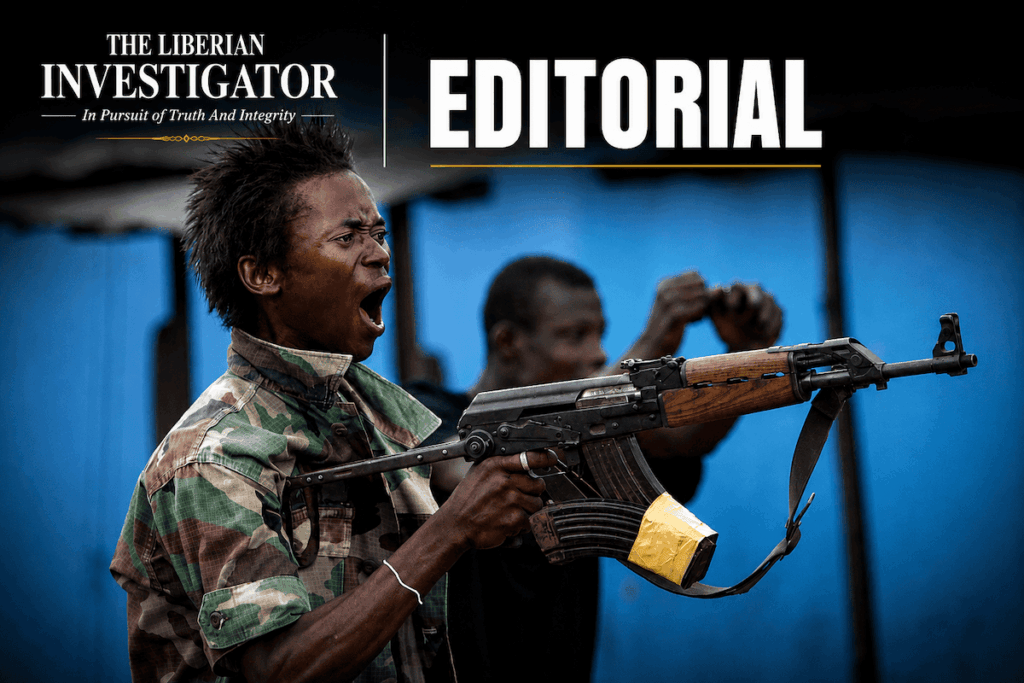
For more than two decades, Liberia’s search for accountability has been trapped in a cycle of promises, resolutions, consultations and delays. Every administration has spoken about justice. Every legislature has acknowledged the findings of the Truth and Reconciliation Commission. Yet year after year, the victims of Liberia’s civil wars have watched the political system move slowly, cautiously, and often reluctantly toward accountability.
On Tuesday, the Senate Judiciary Committee offered something different.
By unveiling a seven-month roadmap aimed at establishing both the War and Economic Crimes Court and the Anti-Corruption Court by December, lawmakers have done what previous efforts often failed to do: they have attached deadlines to promises.
That matters.
The greatest threat facing the war crimes court process has never been the absence of legal frameworks. Liberia has had recommendations, reports, resolutions and executive orders for years. The greatest threat has been delay. Delay has allowed political interests to regroup. Delay has enabled skepticism to grow. Delay has left victims wondering whether justice would ever arrive.
The Judiciary Committee’s roadmap therefore represents more than a procedural document. It is a public commitment against which the Liberian people can measure progress. It establishes timelines for harmonizing competing bills, conducting consultations, holding public hearings and bringing final legislation before the Senate for action.
But the significance of the roadmap lies not in its publication. It lies in its implementation.
Liberians have seen timelines before. They have witnessed commissions formed, reports submitted and recommendations shelved. The challenge now is whether lawmakers can resist the familiar temptation to allow political calculations to derail a process that has already consumed far too much time.
The warning contained within the committee’s own timeline should not be ignored. Political momentum rarely increases as election cycles approach. It usually weakens. The closer Liberia moves toward the next round of national elections, the greater the risk that accountability becomes subordinate to political expediency.
That reality makes the coming months critical.
The Senate must ensure that stakeholder consultations do not become a mechanism for endless postponement. Public hearings must strengthen the legislation, not bury it. Harmonization of competing drafts must produce stronger bills, not watered-down compromises designed to shield powerful interests.
The question before Liberia is no longer whether the country needs accountability. That debate was settled years ago by the Truth and Reconciliation Commission and reaffirmed by subsequent legislative and executive actions.
The question now is whether the political class possesses the courage to follow through.
Victims of war crimes have waited more than twenty years. Families of those who suffered atrocities have buried loved ones without seeing justice. Citizens who have watched corruption drain public resources continue to demand accountability for economic crimes that have undermined national development.
For them, another delay would be more than a procedural setback. It would be a moral failure.
The Senate has now given justice a deadline. By December, Liberians should know whether that deadline was a genuine commitment or merely another date added to a long history of unfulfilled promises.
The nation is watching.






Discussion about this post