


Published: May 5, 2026
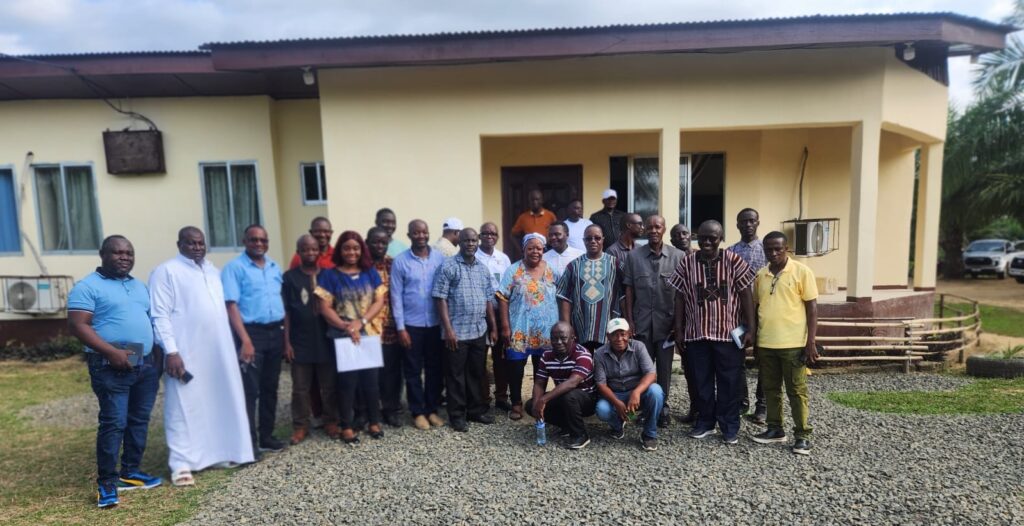
Bomi County — The Ministry of Finance and Development Planning has completed assessments in six counties for new treasury facilities that would bring government disbursements closer to local authorities and reduce administrative costs, Acting Finance Minister Anthony Myers said Friday.
Myers, addressing county superintendents from Cape Mount, Bomi, and Gbarpolu at a regional meeting, said the legal groundwork for decentralization already exists under the Local Government Act of 2018 and the Revenue Sharing Law. What remains missing, he said, is political will.
“Government runs on money,” Myers said. “Bringing disbursement of funds closer to the counties will reduce unnecessary costs and allow local authorities to focus on development priorities.”
The ministry plans to open six new treasury centers this year, adding to four already operating in Grand Bassa, Margibi, Bong, and Nimba counties. The new facilities will serve Sinoe, Grand Kru, Grand Gedeh, Lofa, and Bomi, with each center expected to cover multiple counties within a region.
Romeo Gbartea, director of the ministry’s Fiscal Decentralization Unit, said assessment teams have identified suitable sites for construction and renovation, including upgrades to existing county service centers. A County Treasury Operational Manual has been developed and validated, covering financial management, accountability, and service delivery procedures.
Gbartea said a “ring-fencing” mechanism will ensure funds allocated to counties are spent locally and cannot be redirected to Monrovia. Treasury officers, he added, will no longer need to travel to the capital to process allotments.
Comptroller and Accountant General Elwood Neety told the gathering that fiscal decentralization would strengthen transparency by drawing local authorities more directly into financial decision-making.
County officials welcomed the initiative but raised concerns about delayed disbursements from concession companies. Gbarpolu County Superintendent Sam Zinnah said delays in social development funds have historically stalled projects in resource-rich counties.
“We are rich in resources but poor in reality,” Zinnah said. “We must ensure companies pay what they owe — and on time.”
Bomi County Superintendent Miatta Dorley called the development historic. “Instead of people going to government, government is now coming to the people,” she said.
Following the assessment, technical teams will finalize site selections and begin construction and renovation. County authorities have been issued questionnaires covering infrastructure needs including internet connectivity and facility readiness.





Discussion about this post