


Published: June 23, 2025

MONROVIA – Mounting public frustration is sweeping across Montserrado County as citizens grapple with long delays, limited oversight, and increasing irregularities at National Identification Registry (NIR) centers.
In recent weeks, The Liberian Investigator (TLI) has documented widespread disorder and citizen complaints—from allegations of bribery and favoritism to inadequate service and poor conditions. At the center of the chaos are long queues, limited seating, and staff allegedly demanding bribes to fast-track the processing of biometric ID cards.
On April 14, President Joseph Boakai issued Executive Order No. 147, requiring all Liberians and foreign residents to enroll in the National Biometric Identification System to access public and private services nationwide.
Bribery and Backdoor Deals Undermine Process
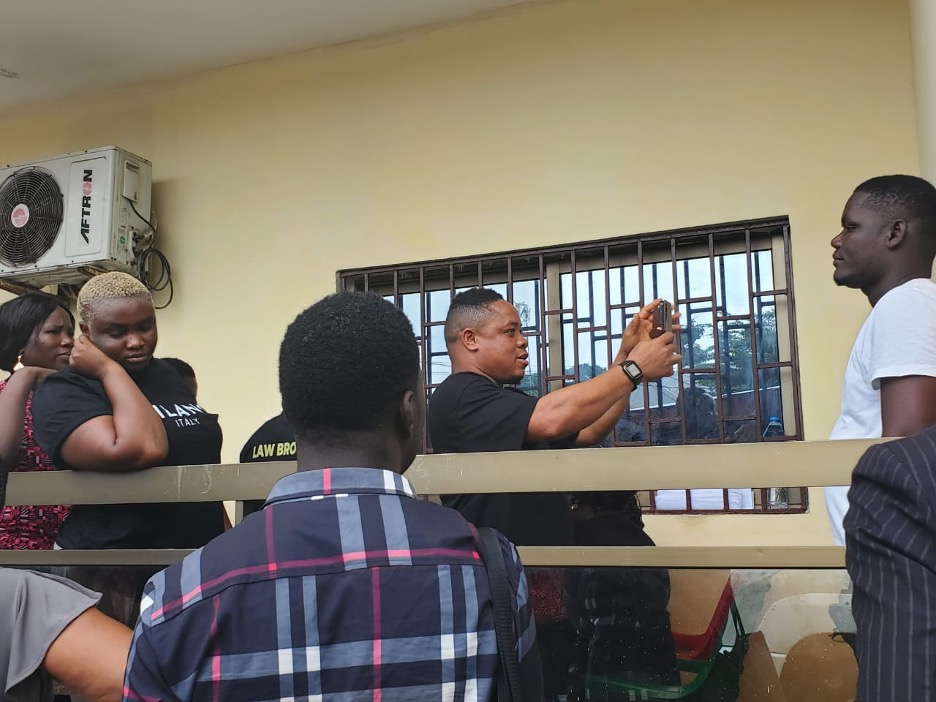
At the NIR headquarters in Congo Town, a staffer identified only as Lawrence was allegedly caught on camera accepting a bribe from a citizen for expedited service. He was seen collecting money while using a NIR official phone to capture the applicant’s photo.
“He’s collecting L$200 before taking your picture,” one citizen told The Liberian Investigator.
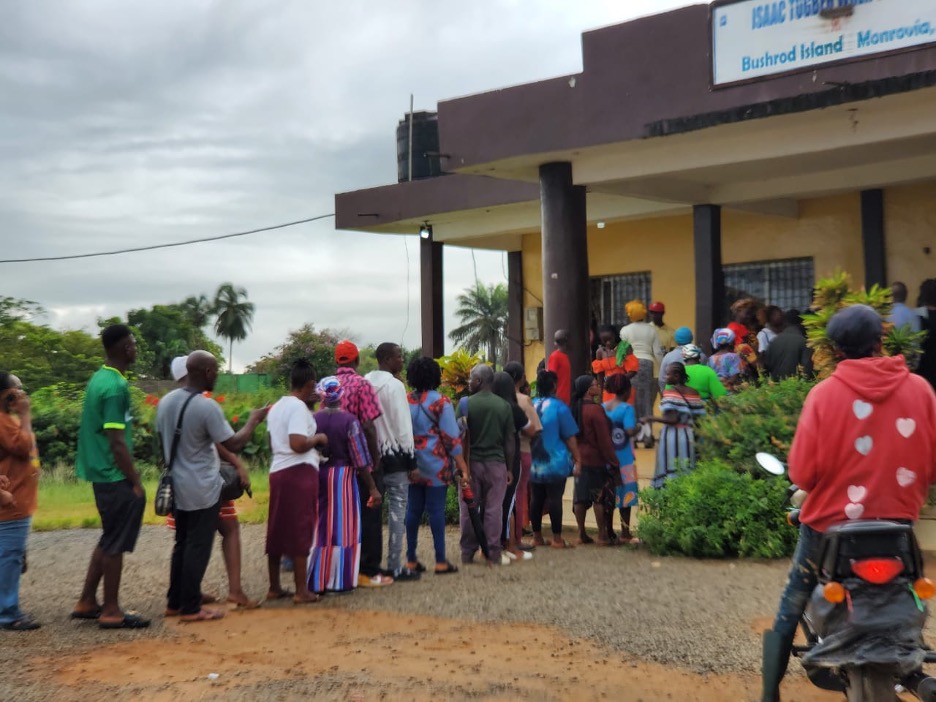
Similar incident was observed at the Isaac Tugbeh Community Hall in the St. Paul Bridge area. There, a staff member admitted to what he called an unofficial “gentleman’s agreement” that allows employees to offer fast-track services for a US$20 fee.
“We don’t advertise it,” the staffer said. “But if you come to an understanding with a worker, your card can be ready in three days.”
Another senior staff member justified the practice: “How will I work here all day and not help one or two people? Our supervisor allows us to help at least two people daily.”
These admissions confirm what many have long suspected: a compromised and inequitable system in which connections or payments dictate access.
Citizens Decry Chaos and Neglect
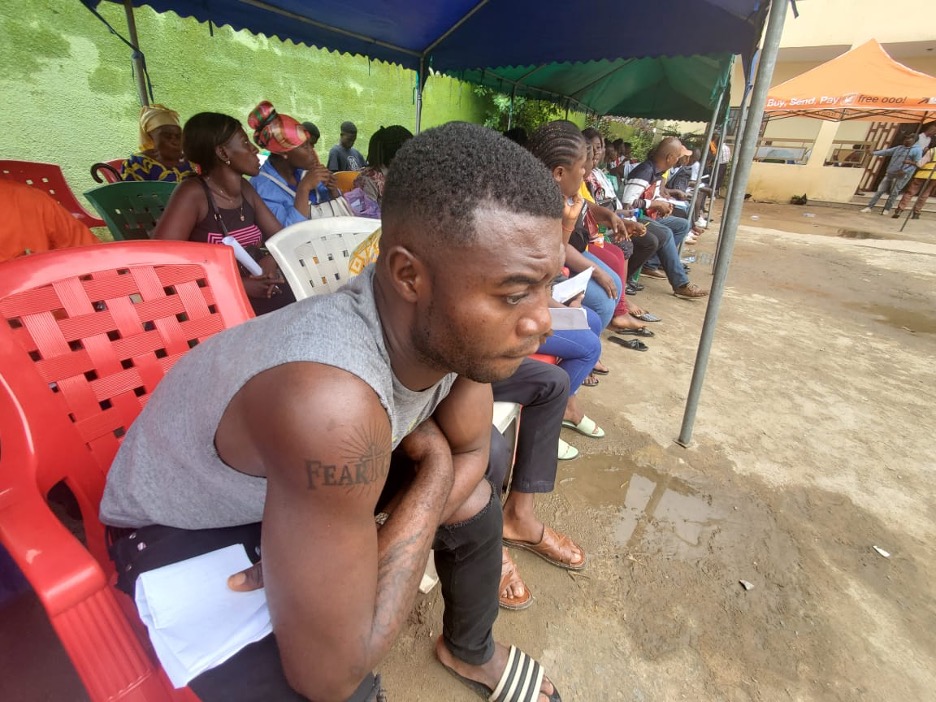
“I’ve come here five times already and still haven’t gotten my ID,” said 69-year-old Momo Kun of Brewerville. “I arrive at 6 a.m. and leave by 4 p.m.—still nothing.”
Wleh Saylee, 41, expressed similar frustration. “You stand in line for hours with no guidance. When you finally get to the table, they tell you the service isn’t available. Come back tomorrow.”
In Barnersville, Anthony Kesselly said he abandoned his local center and traveled to headquarters—only to find more problems.
“I arrived at 6 a.m. and still got ticket number 148,” he said. “Only one staff member signs all the forms, and they use phones for photos. If the phone breaks or is stolen, will everyone have to return?”
He added: “The government made the ID mandatory for banking and travel, yet the process is dysfunctional.”
TLI observed elderly citizens asleep in chairs, many unsure whether they would be served that day. In Brewerville, an elderly woman named Ma Martha shared: “I should be using this money to feed my grandchildren, but I come every day and go back home with nothing.”
Support for vulnerable groups appears lacking. “They hand out forms without checking if people can read or write,” said student Andrew Saah Jr. “I had to help several older folks this morning. Now I’m late for my 3 p.m. class.”


Name Change and Renewal Requests Plagued by Delays
Confusion persists over how the NIR handles renewals, replacements, and legal name changes.
Madam Destiny Cooper, who legally changed her name from Siatta Johnson after marriage, described the system’s shortcomings.
“When I brought my court documents, they told me to register again under the old name and return later to change it,” she said. “That’s illogical—my passport and bank account say Destiny Cooper.”
Desmond W. Togba of Caldwell criticized the merging of all applicants—regardless of need—into the same long line.
“I came for a simple renewal,” he said. “My data is already in the system. Why should I go through the entire process again?”
These inefficiencies continue to erode public trust in the biometric ID rollout.
Banking Sector Feels the Fallout
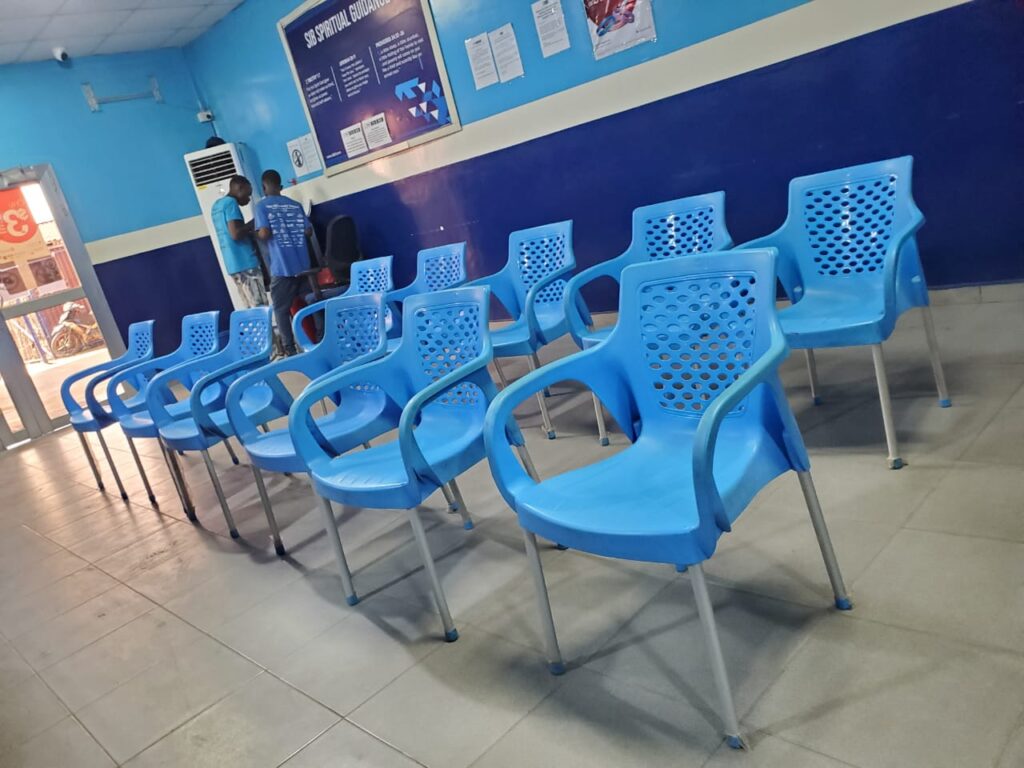

Banks have been experiencing low patronage since the beginning of the enforcement of the Executive Order
A directive from the NIR has extended the deadline for the mandatory use of National ID cards to access banking services to August 31. This means after this period no one will access banking service without an NIR Card.
While banks still accept voter cards, passports, and driver’s licenses for existing account holders, a National ID is now required to open new accounts or reactivate old ones.
“All customers are encouraged to obtain their National ID as soon as possible,” Ecobank stated in a public notice posted in the banking halls.
However, during a weekend tour, TLI observed reduced foot traffic at several banks. Bank staff said many customers are delaying transactions due to difficulties obtaining ID cards—causing ripple effects in the broader economy.
NIR Denies Express Services, Lawmakers Launch Probe
In response to the public outcry, the NIR denied the existence of any fast-track or express services. In a June 5 statement, the agency reaffirmed the official US$5 fee and warned that any staff caught soliciting extra payments “will be dismissed with immediate effect.”
A senior NIR official, speaking on condition of anonymity, said the Congo Town center is now serving more than 500 people per day—despite being designed for 250. He assured that photos are stored securely in a central database and are not lost even if phones are damaged.
Meanwhile, NIR Executive Director Andrew Peters faced tough questioning during a recent legislative hearing after claiming the agency could register the entire population within 24 months. Lawmakers rejected the claim and launched an investigation through four House committees.
Rep. Briggs Mensah and others called for a six-month waiver on registration fees. “We register people to vote for free—why not for identification?” she argued.
Citizens Call for Immediate Reform
Frustrated citizens are calling on the government to fix the broken system. Proposed reforms include expanding enrollment centers, hiring interpreters for elderly and disabled citizens, separating services by type, and modernizing equipment.
“Some of the staff don’t even understand the people they’re serving,” said Momo Kun. “They speak big English to people who can’t hear or understand.”
Desmond Togba urged separate lines for renewals and name changes. Madam Destiny Cooper warned that the delays were affecting her travel plans.
Andrew Saah Jr. suggested recruiting short-term contractors. “Hire young people, give them real computers, and stop using phones—get actual cameras,” he said.
With the deadline approaching and thousands still waiting, public confidence continues to dwindle. The question now: Can the government move swiftly enough to restore order and deliver fair, efficient service?






Discussion about this post