


Published: February 17, 2026

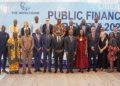
CONGO TOWN, Monrovia — The Government of Liberia and the International Fund for Agricultural Development (IFAD) on Monday launched a joint mission to plan the expansion of the Tree Crops Extension Project Phase II (TCEP-II) and conduct a midterm performance review of the Building Climate Resilience Project (BCRP).
The exercise brings together officials from the Ministry of Agriculture, Ministry of Finance and Development Planning, Environmental Protection Agency, Liberia Agriculture Commodity Regulatory Authority and IFAD’s country team to evaluate results and determine priorities for the next phase of funding under IFAD’s replenishment cycle.
Purpose of the Mission
According to mission representative Johnson Kolubah, the review has two main objectives: assessing the performance of BCRP at midpoint and preparing the scale-up of TCEP-II into additional counties.
“Liberia has received a new allocation under the IFAD replenishment cycle, and government has identified priority sectors,” Kolubah said, noting that tree crops development and feeder roads are central components.
The expansion is expected to add new value chains — including Liberica coffee — while strengthening farmer organizations and private-sector participation.
Reported Project Results
IFAD Country Representative Pascaline Barankeba said the review will guide future resource allocation and project design.
Project data presented during the session indicated that a 30.4-hectare National Cocoa Seed Garden has been established in Nimba County, with 19.5 hectares planted using 14 improved cocoa varieties. The facility produced approximately 400,000 hybrid cocoa seeds in 2025 and is projected to reach an annual output of up to 4 million seeds at full capacity.
Officials also reported rehabilitation of 307 kilometers of feeder roads out of a planned 560 kilometers in Nimba and Lofa counties. According to project figures, transport costs declined and farm-gate cocoa prices increased in beneficiary communities following the road improvements.
Nearly 50,000 households have participated in BCRP activities involving climate-smart farming practices, cooperative organization and productivity support in cocoa and rice production.
Government Priorities
Agriculture Minister Dr. Alexander Nuetah said Liberia contributed $100,000 to IFAD’s 13th replenishment cycle, of which half has already been paid, and that the country received more than $52 million in financing under the same cycle.
He outlined three priorities for the next phase:
- Establishing a national Liberica coffee seed garden
- Expanding feeder road connectivity to additional counties
- Increasing rice production toward a national target of 50,000 hectares by 2030
Nuetah also proposed exploring livestock development in southeastern Liberia and expanding value addition under the STAR-P program.
“We cannot just export beans,” he said. “Local processing creates employment and increases economic returns.”
Liberia’s agriculture policy has increasingly focused on reducing rice imports while strengthening export-oriented crops such as cocoa and coffee. Infrastructure improvements, particularly feeder roads, are considered critical to linking rural production areas to markets.
The mission will determine how future IFAD funding is structured and whether program design adjustments are required to improve productivity and climate resilience outcomes.
The minister formally launched the TCEP-II expansion planning and BCRP review, urging partners to prioritize measurable results for rural communities.





Discussion about this post