
Published: October 30, 2026
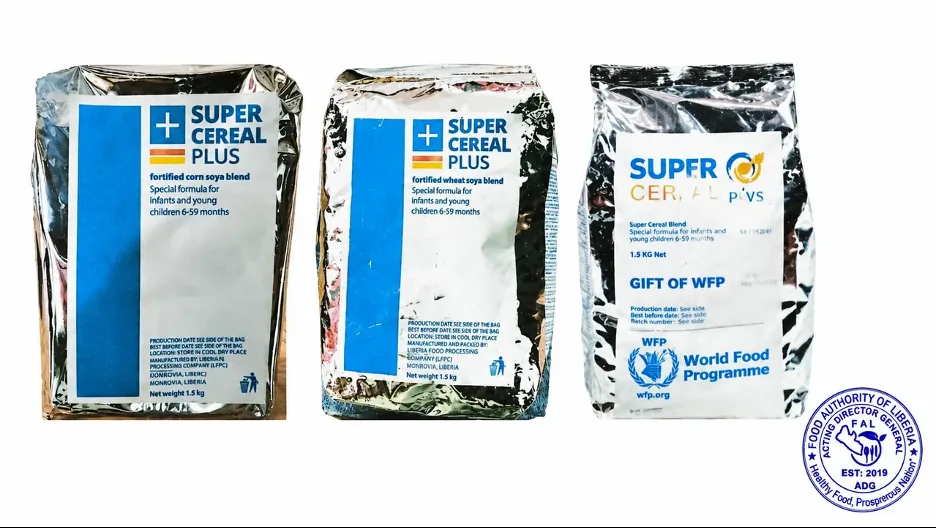
MONROVIA — Liberian authorities have told the public not to buy, sell, or eat CSB++ nutritional cereal sold in shops and markets under the World Food Program’s name. Inspectors found repackaged bags with re-stamped expiration dates from factories that could not be traced.
By Destiny D. Jabula
The Food Authority of Liberia and the Ministry of Health ordered the immediate withdrawal of the product, also known as Corn-Soya Blend Plus or Super Cereal Plus, in a joint public health warning issued Thursday. Officials said the World Food Program does not supply the products despite their name.
People who have bought the cereal should not eat it or feed it to children, the authorities said. They should keep the packages and hand them to the nearest Food Authority office or inspector. Anyone who falls ill after eating it should seek medical care immediately and tell health workers what they ate.
The authorities said the products’ age, origin and safety cannot be confirmed. Samples have been sent for laboratory testing.
According to the statement, inspectors bought and examined samples from shops and markets after the World Food Program alerted the Ministry of Health on Sept. 2. They found that the products had been repackaged, that batch numbers and expiration dates appeared to have been altered or re-stamped, and that the factories listed on the labels could not be traced.
Nutritional food supplied through the World Food Program and its partners is distributed free through approved health and nutrition programs and is labeled “Not for Sale or Exchange,” the statement said.
Sellers have been ordered to stop selling the cereal, remove all stock from shelves and stores, and surrender it to the Food Authority, along with information about their suppliers, including invoices and receipts. The authorities said that selling falsely labeled, altered, or misleading food is an offense under the 2017 Food Law, and anyone found importing, distributing, or selling the products after the notice will face seizure of goods and further legal action.
The Food Authority said it is working with the Ministry of Commerce and Industry, the Customs Division of the Liberia Revenue Authority and port authorities to trace importers and distributors. It is also working with food safety authorities in Ghana and Belgium to check the information printed on the labels.
The statement said the Ministry of Health and the National Public Health Institute of Liberia are alerting health facilities and nutrition programs, and the World Food Program is supporting the investigation.


Discussion about this post