


Published: October 30, 2026
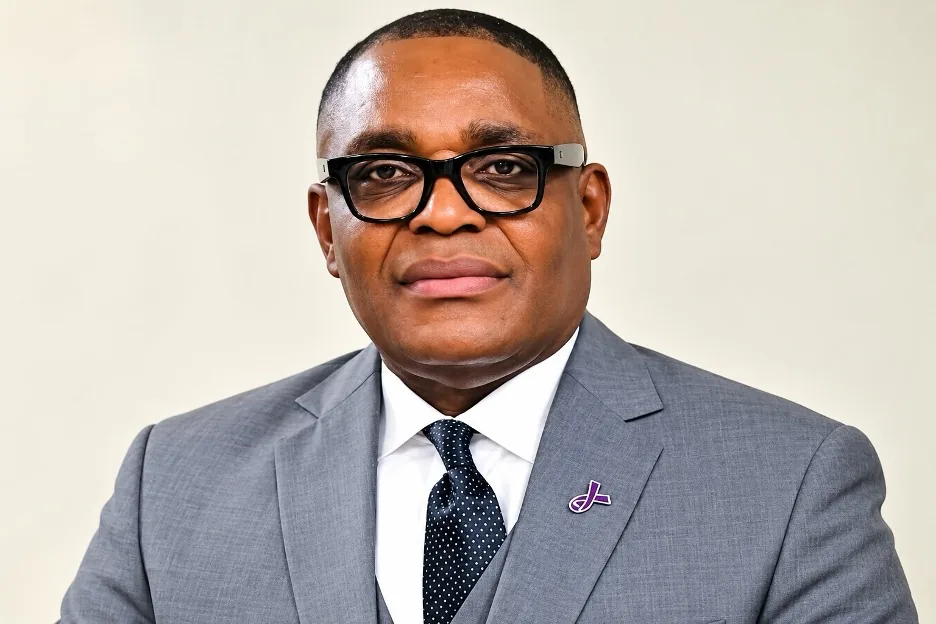
MONROVIA — Former National Road Fund Executive Director Boniface D. Satu has challenged President Joseph Nyuma Boakai’s administration to account for its development promises, questioning whether the government has the financial resources, institutional capacity and leadership needed to deliver meaningful results under its ARREST Agenda.
Satu said the Unity Party-led government must show how three national budget cycles have translated into tangible improvements in the lives of ordinary Liberians, arguing that promises of future development cannot replace accountability for resources already spent.
Speaking to The Liberian Investigator on Wednesday, Oct. 28, 2026, in Monrovia, the former Road Fund official raised concerns about recent statements by senior government officials, which he said exposed potential weaknesses in the administration’s ability to fulfill its commitments.
He cited President Boakai’s call for underperforming officials to step aside, the Finance Minister’s acknowledgment that available resources cannot satisfy every funding request and the Information Minister’s reminder that no government can address all national challenges within six years.
According to Satu, the statements raise fundamental questions about the administration’s preparedness to implement its development agenda as Liberia approaches the 2029 presidential and legislative elections.
He questioned whether the government has established the necessary systems, financing arrangements and institutional coordination to deliver the interventions promised under the ARREST Agenda.
“Having managed public institutions and development programs, I understand that money alone does not deliver results. It takes competent people, clear priorities, realistic planning, coordination, and consistent supervision,” Satu said.
The former executive director maintained that effective governance requires more than acknowledging challenges, stressing that national leaders must take practical steps to address institutional weaknesses and improve performance.
“When capacity is inadequate, leadership must strengthen it. When resources are limited, leadership must prioritize. When officials fail to perform, leadership must act,” he stated.
Satu argued that the government must translate available resources into measurable development outcomes, regardless of financial and administrative constraints.
He pointed to the 2024, 2025, and 2026 national budget cycles, questioning what the government promised under each spending plan, how much funding was released, and what improvements citizens have experienced.
He said the administration should provide a clear accounting of public expenditures and explain how those investments have addressed challenges in communities across Liberia.
He said citizens have a legitimate interest in knowing whether government programs are producing results because national development initiatives are financed through public revenue and other resources.
“Liberians are not asking for every problem to disappear overnight. Rather, they are asking for evidence that the rescue is moving forward,” Satu stressed.
The former Road Fund official also challenged the administration to provide comprehensive progress reports on major infrastructure and development projects expected to be completed before the end of its current term.
He said such reports should identify completed milestones, outstanding activities, implementation delays and financing gaps, while outlining measures being taken to address the challenges.
Satu maintained that projects scheduled for completion in 2028 or 2029 should already demonstrate meaningful progress rather than depend entirely on assurances about future achievements.
He argued that transparent reporting would let citizens assess the government’s performance against its commitments and determine whether it manages public resources effectively.
“The responsibility of leadership is to turn available resources into better lives. Every budget year must move Liberia forward, and every year must be accounted for. Future promises cannot replace present accountability,” Satu declared.
His criticism comes amid continuing public debate over the implementation of the ARREST Agenda, the government’s spending priorities and the pace of development under the Boakai-Koung administration.
The ARREST Agenda, which guides the administration’s development priorities, focuses on agriculture, roads, rule of law, education, sanitation and tourism.
Satu’s remarks underscore his call for the government to move beyond policy commitments and demonstrate measurable improvements in public services, infrastructure and economic opportunities.
He maintained that as the administration moves closer to the 2029 elections, it should be judged by verifiable achievements rather than political assurances.
The former Road Fund executive director insisted that every budget year must produce identifiable development outcomes, emphasizing that accountability remains essential to restoring and sustaining public confidence in government.



Discussion about this post