
Published: September 23, 2026
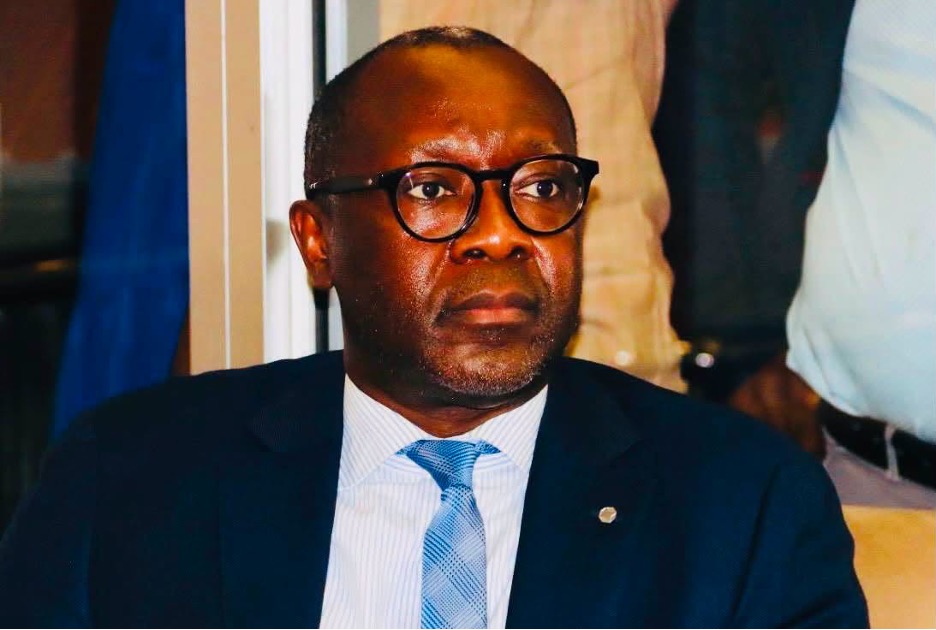
MONROVIA – Gbarpolu County Sen. Amara Konneh, who voted for Liberia’s new Cybercrime Act, said he will push to amend it if enforcement is turned against journalists, comedians, opposition figures, or ordinary citizens voicing their views, as the law’s first high-profile case moved to court this week.
By David Menjor
Konneh wrote on Facebook that the country’s handling of its first enforcement actions under the law tests Liberian democracy.
“This is a test case for Liberia, and how we handle it matters,” he wrote.
His post comes amid a national debate over the arrest of Jerry Nyantee Wrato, who was detained over AI-generated images and videos of Vice President Jeremiah Kpan Koung that circulated on Facebook. The content followed controversy over reports of Koung’s security screening at Brussels Airport.
Koung publicly asked for Wrato’s release on Sept. 19, saying he did not wish to press charges. But in a Sept. 21 letter to the vice president, Inspector General of Police Gregory O. W. Coleman said the police had concluded their investigation and would prosecute Wrato for misuse of devices, cyberstalking, distribution of data messages that incite damage to property or violence, and distribution of harmful data messages, under Sections 10.1, 15.1, 18.1 and 19.1 of the Cybercrime Act of 2025.
On Tuesday, Criminal Court “B” ordered Wrato released from police custody on a writ of habeas corpus filed by his lawyer, Cllr. Garrison Doldeh Yealue Jr., and turned him over to the court’s sheriff.
Konneh said he voted for the law to protect Liberians from fraud, identity theft, hacking and the nonconsensual sharing of intimate images, but that it cannot override the Constitution.
“Article 15 of our Constitution guarantees freedom of expression. That is nonnegotiable,” he wrote. “No law we pass can or should override it.”
He said satire, parody and political commentary remain protected speech even when made with artificial intelligence.
“Legitimate criticism of public officials, including me, is not a cybercrime,” he wrote. “It is democracy at work.”
If enforcement targets journalists, comedians, opposition voices or citizens expressing their views, Konneh wrote, the law will have failed, and “I will be the first to speak out and push for an amendment.”
He also argued that free expression has limits.
“Free speech is not a license to harm others,” he wrote. “Our cybercrime law was not passed to silence critics. It was passed to protect victims.”
Konneh said he had spoken with Liberians who had been shamed and harassed online and with parents whose daughters left school after explicit photographs of them were circulated. He singled out AI-generated fake nude or sexual images of real people made without consent, fabricated material used to falsely portray someone as a criminal or to defraud the public, and sustained campaigns of bullying, harassment or threats, and said such conduct should be treated differently from satire, criticism and commentary.
He called for enforcement guided by due process, including warrants, evidence and open court proceedings rather than intimidation; proportionality in punishment; and public education.
“The punishment must fit the crime,” he wrote.
Konneh asked the Ministry of Justice and the Liberia Telecommunications Authority to issue clear public guidance on what the law prohibits.
“The same internet that gives a market woman a voice to complain about the government must not become a weapon to destroy her reputation with lies,” he wrote.





Discussion about this post