


Published: June 8, 2026
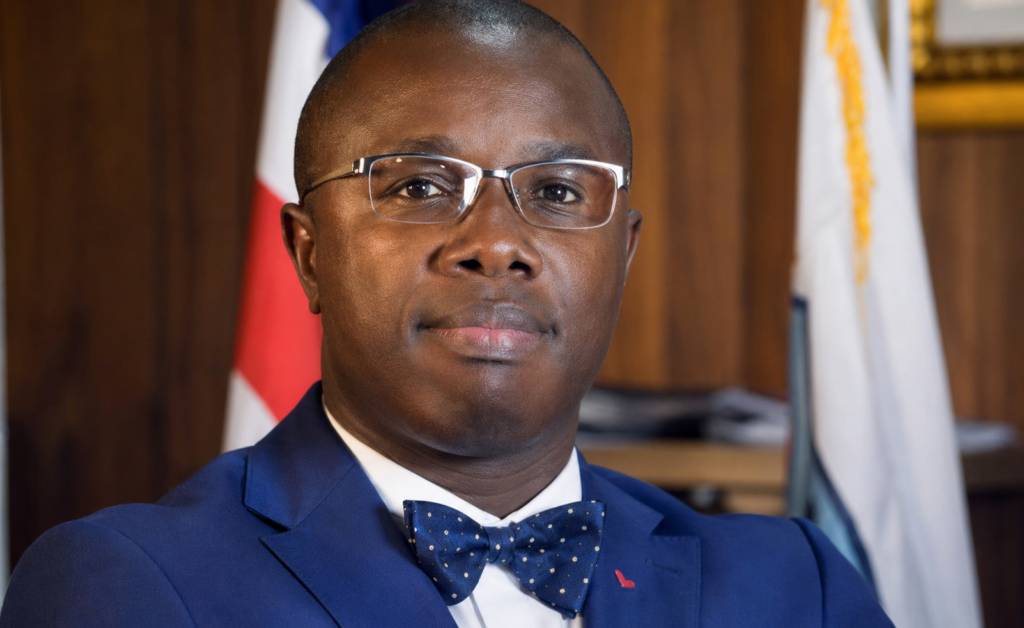
MONROVIA – Former Monrovia Mayor Jefferson Tamba Koijee is recasting his political downfall as divine persecution, telling supporters in a lengthy Facebook post that the gift God gave him to lead and mobilize the poor has been twisted, in the eyes of his enemies, into a crime.
In the reflection, titled “My God’s Given Gift Has Become My Crime,” Koijee argues that the U.S. sanctions imposed on him, the years of incarceration he endured under the Unity Party and the campaigns waged against his reputation all flow from a single source. His ability to connect with ordinary Liberians, he writes, has marked him as a threat to those who believe power belongs only to them.
“My crime was never corruption or violence,” Koijee wrote. “My crime was connection.”
The post offers no new evidence and announces no new development. It is, instead, a personal testament that reframes the most damaging chapter of Koijee’s public life as spiritual warfare rather than political accountability.
Koijee, who served as the youngest mayor in the country’s history during the administration of former President George Weah, was sanctioned by the U.S. Department of the Treasury’s Office of Foreign Assets Control in December 2023 under the Global Magnitsky Human Rights Accountability Act. The Treasury accused him of serious human rights abuse and corruption, including the misappropriation of state assets, and said he controlled paramilitary-style groups linked to the Coalition for Democratic Change that allegedly disrupted opposition rallies and protests through violence.
In his post, Koijee disputes that record without addressing its specifics. He says the sanctions were placed on him “without a single proven piece of evidence” and describes a deliberate, six-year effort to destroy his reputation at home and abroad. The strategy against him, he writes, has been simple. “Attack the man until the people begin to doubt the mission.”
The former mayor traces his story from Lofa County and the slums of Montserrado, where he says he lived poverty rather than studying it, through his rise as a community organizer and student activist to the leadership of the CDC’s youth wing. That climb, he argues, was never forgiven by those who could not accept that a man from the streets had become chief administrator of the capital.
Threaded through the reflection are repeated appeals to scripture, including Isaiah 54:17, and a recurring insistence that he remains unbowed. Even under sanctions, Koijee writes, God has opened doors for him to travel abroad and continue his academic studies, which he presents as proof that his purpose cannot be limited by human decisions.
Koijee stops short of claiming perfection, acknowledging his imperfections while maintaining that purpose is greater than persecution. He closes by submitting his case to two judges he says will outlast his accusers. The Liberian people and time itself.
“If my gift to mobilize, to inspire, and to serve has become my crime in the eyes of men, then I accept it with humility,” he wrote. “And a calling from God can never be cancelled by man.”






Discussion about this post