


Published: September 25, 2026
MONROVIA — Citizens Movement for Change Director of Policy Jacob Jallah has questioned the impact of Liberia’s US$1 billion national budget, arguing that reaching the historic spending threshold means little if government investments fail to create jobs, raise incomes and produce visible improvements in the lives of ordinary Liberians.
By Roseline Gbessagee
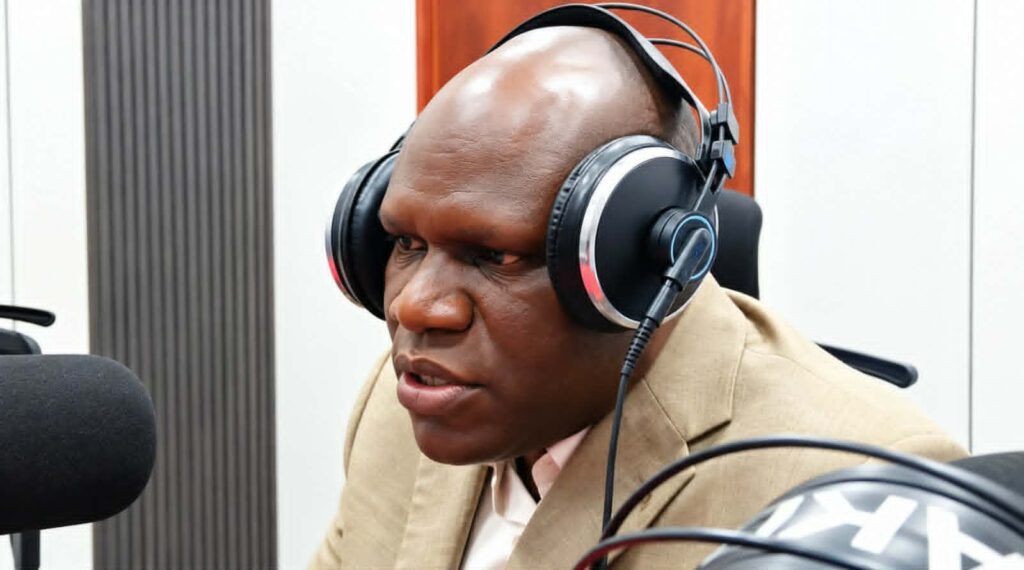
Jallah, appearing Thursday, Sept. 24, on Voice of Liberia, argued that the government needs to rethink the budget process and direct more resources toward sectors capable of generating broader economic prosperity.
He contended that despite the budget’s size, Liberia continues to follow spending patterns that have persisted for decades without fundamentally transforming the economy.
“Really, you know, rework the budget process to begin to do the right investment in the right sectors, to actually create prosperity across this economy,” Jallah said. “If you look at the budget book today, if you look at the structure of the investments we’re making and where we spend the budget revenue, you know that it is just a repetition of the last 50 years.”
According to Jallah, successive governments since 2005 have largely maintained what he described as the same model of allocating and spending public resources, with limited transformative results.
He also cautioned against interpreting the US$1 billion budget as money already available for immediate spending, citing comments he attributed to Finance and Development Planning Minister Augustine Kpehe Ngafuan.
“I think there has been a very big celebration over one billion dollars,” Jallah said. “The Finance Minister was horrified. He said, ‘Hold your horses. Manage your celebration here. We have to be very careful. There is no money here. There’s no one billion dollars here.’”
“This is a cashless budget we’re running. We all know that. There is no money sitting in any bank. You collect the money, you spend the money,” he added.
Jallah further questioned recent government announcements concerning investments and expanded access to credit for the private sector, arguing that projected revenues should not be mistaken for uncommitted cash readily available for new programs.
“In fact, even the remaining part of the budget — we’re talking about September now, October, November and December — and any revenue that’s going to come from the LRA through the budget, those funds have already been committed in this current budget,” he said.
“So there is no free money anywhere. He talked about $50 million as a bank balance. Even that $50 million has already been committed because we’re talking about September, and he was speaking earlier in the month.”
Jallah said the central question should not simply be how large Liberia’s budget has become, but whether public spending is producing measurable improvements in employment, household income and living standards.
“We want really just some big news, but it’s not something that’s going to bring impact in the lives of the people,” he said.
He argued that Liberians should be able to identify tangible benefits if government spending is producing the transformative impact officials envision.
“We have felt the impact of the one billion dollars, or rather, we should be able to feel the impact of the one billion dollars,” Jallah said.
He illustrated his argument by suggesting that ordinary Liberians in streets and marketplaces be asked what difference government spending has made in their daily lives.
“Your government has spent one billion dollars over the last nine months. Tell me about it. How do you feel? What is the impact on your life?” he said.
“You may ask whether they have additional income, whether some of their children who are unemployed have had an opportunity to find a job. Are they employed? Do they make income? Have their living standards improved?”
Jallah predicted many Liberians would struggle to identify improvements they could directly associate with the level of public spending.
“What is the situation? Who can find out? And I can tell you for sure the answer will be: ‘We don’t know about any one billion dollars. Our lives have not improved,” Jallah said.




Discussion about this post