


Published: August 17, 2026
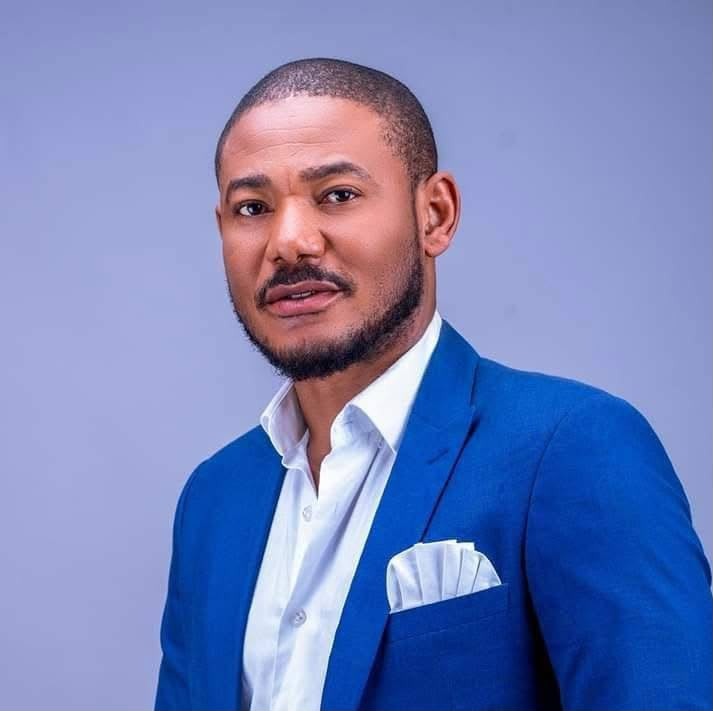
MONROVIA — Liberian filmmaker and actor Gregory Artus Frank has questioned the hero’s welcome given to controversial social media personality Justin Oldpa Yeazehn, popularly known as Prophet Key, following his release from prison, expressing particular concern over women celebrating a man he says has publicly insulted and disrespected womanhood.
Frank said the sight of women gathering to celebrate Yeazehn’s release was particularly troubling given the controversial figure’s history of making remarks he considers degrading and humiliating to women.
In a statement posted on social media, Frank said he had remained silent throughout the controversy surrounding Yeazehn but felt compelled to speak after seeing the reception that greeted him upon his release.
He questioned what such a celebration, particularly by women, communicates about accountability, dignity and society’s response to the public humiliation of women.
“Liberian women deserve better,” Frank said, arguing that women should not celebrate individuals whose conduct, in his view, has contributed to their humiliation or disrespect.
Yeazehn was released Aug. 14, 2026, after serving a prison sentence stemming from contempt proceedings before the Supreme Court of Liberia.
He was sentenced Feb. 13 following a podcast published Feb. 2 in which he accused the chief justice and associate justices of corruption and made derogatory and vulgar remarks against the judiciary and the chief justice’s mother.
Following his release, supporters gathered to welcome Yeazehn, drawing significant public and media attention.
Frank said the reception raised broader concerns about Liberia’s approach to accountability, particularly when controversial public figures face consequences for their conduct but later receive celebratory welcomes.
For Frank, the involvement of women in the celebration was especially concerning because of Yeazehn’s previous public remarks about women.
He questioned why women would participate in what appeared to be a hero’s welcome for someone whose public conduct, in his view, has contributed to disrespecting womanhood.
Frank also questioned aspects of the media attention surrounding Yeazehn’s release. While acknowledging journalists’ responsibility to report the development, he cautioned against coverage that could elevate a controversial figure into a national hero.
“The media has every right to report the news, but there is a difference between covering a story and turning someone into a national hero,” Frank said.
He further argued that forgiveness should not be separated from accountability, saying it should be accompanied by remorse, responsibility and meaningful change.
Frank said his decision to speak publicly was not motivated by hatred toward Yeazehn, but by concern for Liberia and the message society sends to younger generations when controversial public figures are celebrated despite their past conduct.
He called on Liberians to reflect on the kind of society they are building and urged women, in particular, to demand greater respect for their dignity rather than celebrate individuals whose public utterances have demeaned them.
Frank also stressed the need for greater accountability for public conduct, maintaining that society’s willingness to forgive should not erase the responsibility of individuals to account for their words and actions.






Discussion about this post