


Published: July 24, 2026
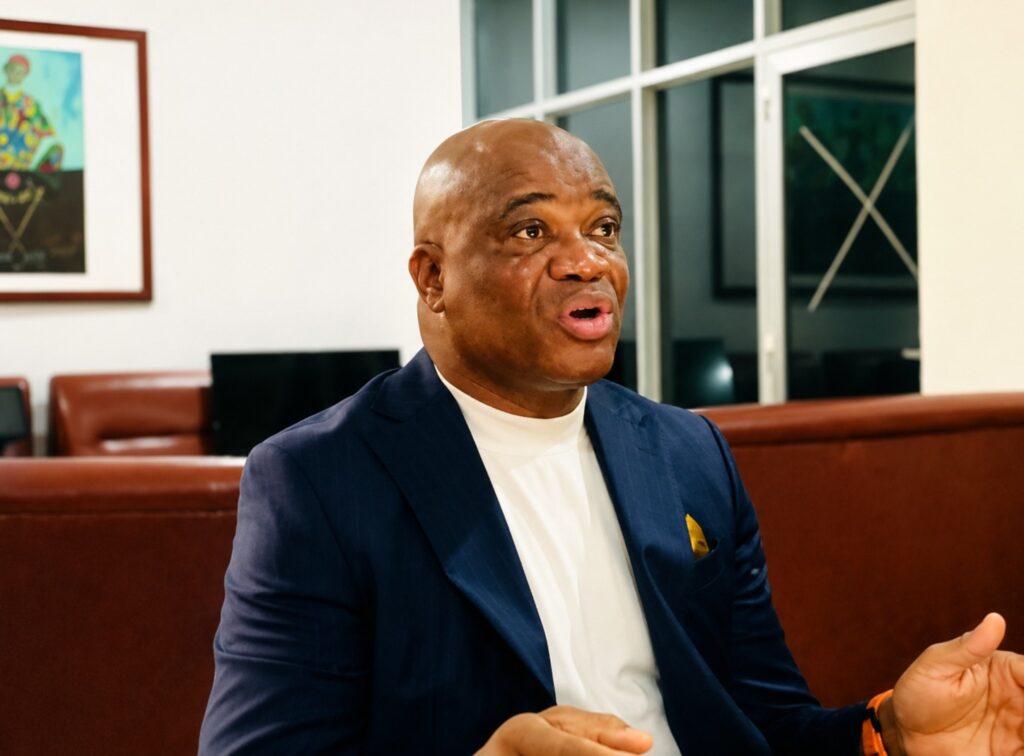
MONROVIA – Movement for Progressive Change (MPC) Political Leader Simeon Freeman has called for sweeping investigations into the leadership of Liberia’s seaport and airport authorities, arguing that recent high-profile drug seizures expose serious weaknesses in the country’s border security system and possible institutional failures in monitoring the movement of goods.
In a strongly worded Facebook post titled “Gangster’s Paradise,” Freeman alleged that organized drug cartels have infiltrated Liberia’s maritime and aviation gateways, transforming the country from a transit route into what he described as a storage hub for narcotics destined for Europe and other international markets.
“The cartel runs Liberia’s seaport and airport,” Freeman asserted. “It’s now clearer why certain actors desperately wanted Liberia’s seaport and airport.”
He further claimed that Liberia is no longer serving merely as a transit corridor for illicit drugs but has become a storage depot for narcotics awaiting export.
“Liberia is officially a drug storage depot for onward export to Europe and elsewhere,” he wrote. “UP wanted to be in charge, not to govern but to enable the drug trade.”
Freeman questioned the government’s handling of recent drug-related arrests, arguing that investigators have yet to answer what he described as critical questions surrounding the case.
“As usual, they will glide over the facts,” he wrote before asking: “Who granted these suspects visa? Who rented the house for them? How did the drugs hit Liberia and where are their mobile phones?”
The MPC political leader also linked the latest arrests to the unresolved US$19.2 million cocaine case uncovered at the Roberts International Airport (RIA) in June, alleging that recent enforcement actions were intended to divert public attention from that investigation.
“In a desperate bid to cover up the $19.2 million drug that’s linked to Boakai, they have arrested and jailed Finda Bondo, reversed Tweah’s ruling and revealed their competitor’s drug hide-outs,” Freeman alleged.
Calling for institutional reforms, Freeman said the leadership of both the National Port Authority and the Liberia Airport Authority should be investigated and replaced if necessary, arguing that the successful movement of narcotics through Liberia’s ports raises serious concerns about the integrity of the country’s border management system.
“Clearly, the leadership of Liberia’s seaport and airport must be replaced and turned over for investigation,” he stated. “Our relationship with Medtech must be reviewed.”
According to Freeman, while intercepting narcotics after they have entered the country is commendable, the more pressing concern is how the drugs were able to enter Liberia, clear official entry points and end up in private residences before being discovered by law enforcement.
“It’s one thing to arrest illegal drugs at the port of entry, but for drugs to be imported, cleared and stored in private homes for onward external export suggests that our entry ports have been massively compromised,” he argued.
Freeman also referred to reports alleging that additional narcotics may still be hidden in various locations across Monrovia, urging authorities to conduct comprehensive investigations if those claims prove to be true.
“It’s rumored that there are a lot more drugs stored in hide-outs in Monrovia. If this is true, the seaport and airport authorities must be thoroughly dealt with,” he wrote.
He concluded his statement with a spiritual appeal, expressing hope that anyone involved in wrongdoing would ultimately be exposed.
“As we watched in awe, it’s our sincere hope that Yahweh will expose their every deed, for the good of our country.”
Freeman’s comments come amid heightened public scrutiny following a series of major narcotics cases, including the US$19.2 million cocaine seizure at Roberts International Airport and the recent drug bust in Duazon, Lower Margibi County, announced by the Joint National Security Investigative Task Force, led by the Liberia National Police (LNP) in collaboration with the Liberia Drug Enforcement Agency (LDEA), the National Security Agency (NSA), the Executive Protection Service (EPS) and other security agencies. The investigations have intensified national debate over border security, institutional accountability and Liberia’s capacity to combat transnational drug trafficking.





Discussion about this post