

Published: May 21, 2026
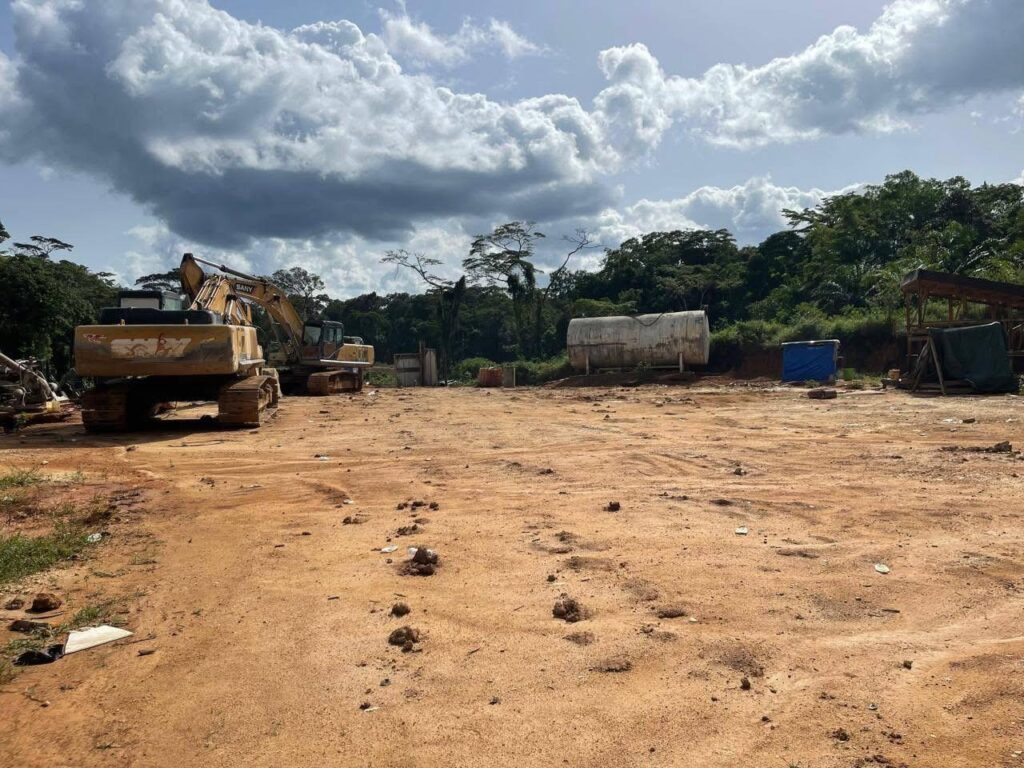
MONROVIA – The Environmental Protection Agency has warned that excavators and dredges are being smuggled into Liberia’s forests, rivers and wetlands under cover of darkness, fueling a wave of illegal mining that is poisoning waterways, destroying farmland and overwhelming the agency’s enforcement capacity.
In a statement issued Thursday, the EPA said nationwide compliance monitoring currently underway has uncovered a pattern of deliberate evasion: heavy earthmoving equipment parked in urban areas along major corridors, including the Japanese Freeway and the Robertsfield Highway, is being moved at night or through rural routes into remote mining communities where it causes irreversible environmental damage before regulators can intervene.
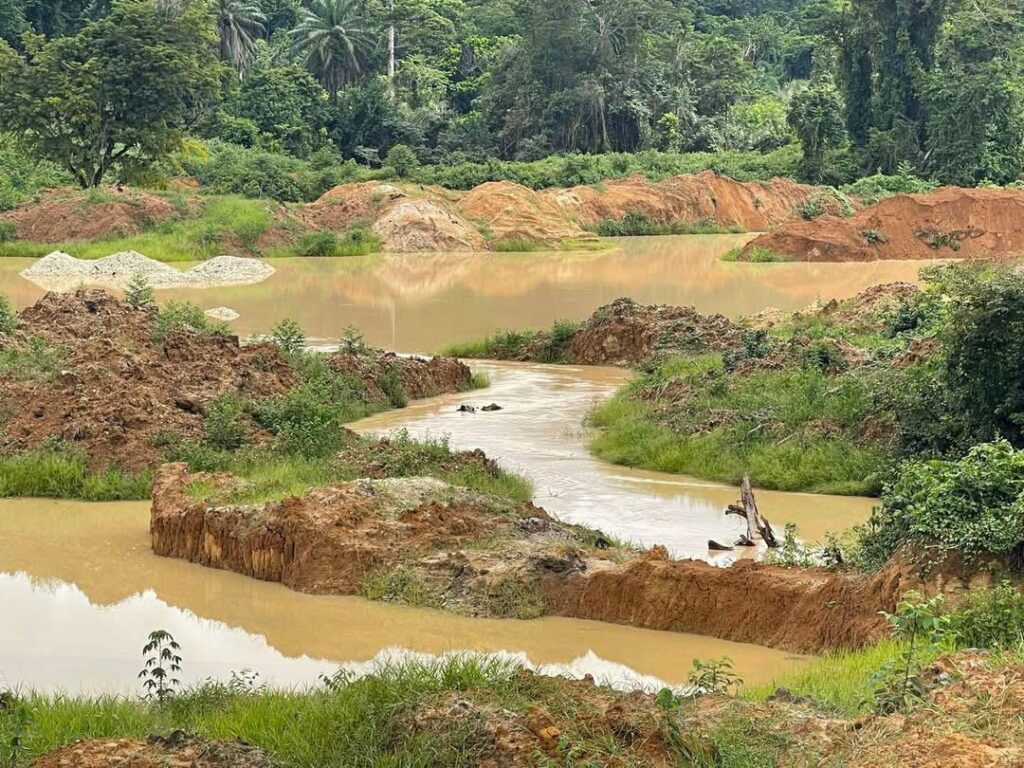
The findings are stark. Monitoring teams have documented 19 active dredges along the Tuma River in Gbarpolu County, with mercury reported at the site. Illegal mining operations without valid environmental permits have been found across Grand Kru, Lofa and Rivercess counties, with investigators recording deforestation, river diversions, open pits and widespread freshwater contamination. None of the operations reviewed had Environmental and Social Impact Assessments, rehabilitation plans or EPA permits.
“The EPA has fined a number of companies and closed others, but the situation is overwhelming,” the agency said.
The environmental toll is severe. Dredging in rivers and waterways without controls destroys aquatic habitat, increases water turbidity, displaces fish populations and contaminates drinking water sources that rural communities depend on. Unregulated excavator use accelerates land degradation, erosion, sedimentation of watercourses and loss of farmland and wetlands. The use of toxic substances, particularly mercury, introduces long-term public health risks that extend well beyond the mining sites themselves.
The agency identified a specific legal loophole being systematically exploited. Class C mining licenses, designed for small-scale and artisanal miners, are increasingly being used to authorize mechanized operations that bear no resemblance to their intended purpose, burdening communities with disproportionate environmental harm while shielding operators behind a regulatory category meant to protect the very people they are harming.
To address what it described as a national emergency, the EPA is calling on the Government of Liberia to impose environmental clearance requirements for the importation of all excavators and dredges and to establish a mandatory national registration system requiring owners to disclose equipment details, intended use, operating location and permit status. The agency is also proposing a national transport permit system to track the movement of heavy equipment from entry points into counties, forests, mining districts, wetlands and river corridors, with all movement into mining areas barred without EPA clearance, valid mining authorization and an approved environmental management plan.
On enforcement, the EPA is urging the creation of a joint interagency mechanism to track, inspect and regulate heavy equipment, backed by checkpoints along major corridors to intercept illegal transportation. The agency wants importers, owners, financiers, renters, transporters, operators and end-users held jointly liable when machines are used for illegal mining or environmental destruction, with violators bearing full restoration costs for damaged lands, rivers and forests.
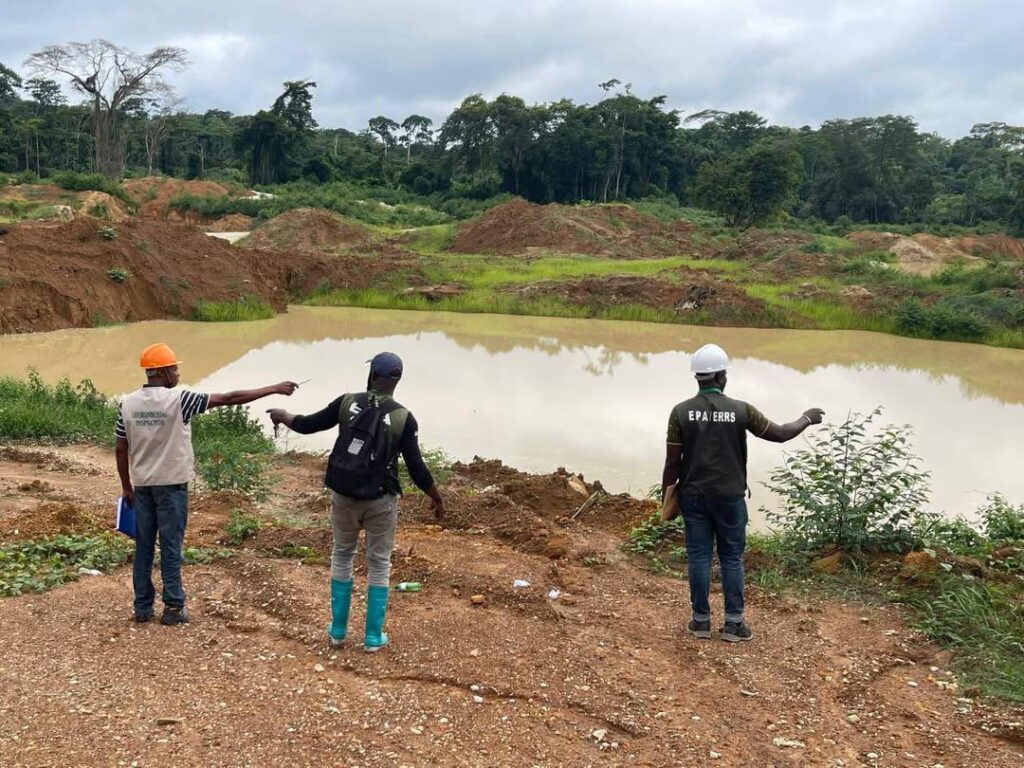
The EPA said it would broaden its own enforcement operations, including targeted shutdowns, fines, compliance notices, restoration orders and referrals for prosecution. It also announced plans for a fast-tracked community reporting mechanism allowing citizens to alert authorities about illegal equipment movement, coupled with enhanced public reporting to improve transparency.
The agency made a direct appeal to citizens, community leaders, traditional chiefs, county officials, youth groups, civil society organizations and development partners to assist in reporting illegal movement and use of heavy equipment.
The statement comes against a backdrop of mounting pressure on Liberia’s natural resources as mining activity expands across the country’s interior. Liberia’s forests represent some of the last remaining Upper Guinean rainforest in West Africa, a globally significant ecosystem already under pressure from logging, agricultural encroachment and climate change. The country’s rivers and wetlands are primary water sources for millions of people, and their contamination carries consequences that extend far beyond any individual mining site.
“Liberia’s forests, rivers, wetlands, and biodiversity are national assets essential to food security, water supply, climate resilience, livelihoods, and the well-being of current and future generations,” the EPA said. “Reckless destruction in pursuit of short-term private gain cannot be tolerated.”
The agency said it remains ready to collaborate with all stakeholders to implement the proposed measures and ensure that development and investment proceed within the framework of Liberian law, with full accountability for environmental impacts.





Discussion about this post