



Published: April 14, 2026
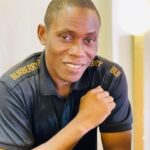
Monrovia — In a move signaling a potential generational shift in Liberia’s political landscape, the Congress of the Liberian People (COLP) has appointed John Saylay Singbae II as its national chairperson, positioning the young academic and international advocate at the forefront of a growing push to redefine youth participation in governance.
Singbae’s elevation comes with a clear mandate: mobilize a new generation of voters and challenge entrenched political structures that critics say have long sidelined young Liberians from meaningful decision-making.
A Break from Tradition
The appointment marks a notable departure from Liberia’s traditional political order, where leadership has often been dominated by older, established figures.
A Mandela Rhodes Scholar and former debate champion, Singbae is widely recognized for his intellectual rigor and public advocacy, including representing Liberia at international forums in Johannesburg and Zagreb.
His rise, observers say, reflects a deliberate attempt by the COLP to reposition itself as a reform-oriented movement anchored on youth empowerment and policy-driven leadership.
“Too many young people have come to believe that politics is reserved for the worst among us,” says Singbae.
“I still believe in Liberia, and even in difficult conditions, I see an opportunity to lead.
“Our mission with the COLP is to ensure that young people are no longer just mobilized during election seasons, but are active, meaningful participants in our national development.”
From Global Advocacy to National Leadership
Singbae’s journey to political leadership is rooted in both academic excellence and advocacy.
A graduate of Bethesda Christian Mission School, he gained national attention for his outspoken defense of Liberian scholarship students in Morocco, where he challenged the government to uphold its obligations to citizens abroad.
As only the second Liberian to earn the prestigious Mandela Rhodes Scholarship, he later obtained a Master of Laws (LLM) from the University of Cape Town, specializing in international law and ocean governance.
Despite professional opportunities with the International Tribunal for the Law of the Sea, Singbae chose to return to Liberia — a decision he frames as a commitment to national service.
Building a Reform Coalition
At the COLP, Singbae aligns with reform-minded figures, including former national football star Amb. Theo Weeks Lewis, as the party seeks to build a movement centered on institutional transformation rather than political patronage.
The party says its agenda is focused on reshaping Liberia’s political narrative by prioritizing policy, accountability and inclusive governance.
Skepticism Meets Determination
While some critics question whether a youth-led political movement can withstand the pressures of Liberia’s entrenched political networks, COLP leaders view Singbae’s appointment as a defining test for the country’s democratic evolution.
They argue that his leadership represents a shift from exclusion toward active civic participation, particularly among young people who have historically been marginalized.
“My time at the Mandela Rhodes Foundation reshaped my sense of purpose,” Singbae notes.
“I am not here for the office itself, but to ensure that the promise of Liberia reaches the young people who are currently being left behind.”
A Test of Liberia’s Political Future
As Singbae assumes leadership, attention is now turning to whether the COLP can translate its message into political traction in a system often resistant to change.
For many, his appointment is more than symbolic — it is a test of whether Liberia’s next political chapter will be defined by continuity or transformation.




Discussion about this post