
Published: April 24, 2026
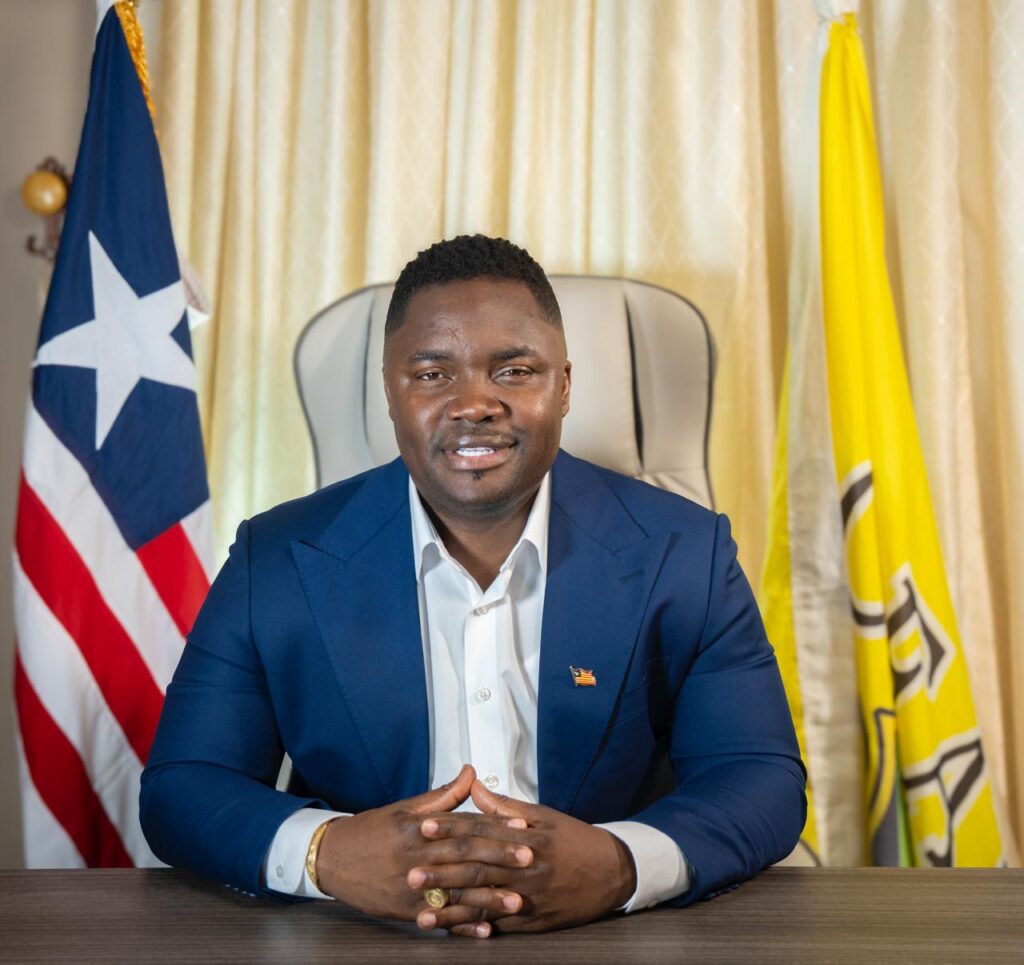
By Thomas Kojo Roulhac
MONROVIA — A confidential document from the Liberia Football Association’s Independent Election Committee has handed presidential aspirant Cassell A. Kuoh a potential path back into the May 15 election, after revealing that the criminal conviction bar in the LFA statute applies only to substantive offenses and not minor infractions — a distinction that directly undermines the case for his disqualification.
The integrity form, signed by all 29 aspirants and obtained by The Liberian Investigator, adds critical nuance to Article 58.1 of the LFA statute, which bars candidates found guilty of criminal offenses from contesting elections. The document states that disqualification applies only where the conviction or sanction involves substantive criminal behavior, and extends to disciplinary sanctions issued by the LFA, CAF, FIFA or other sporting bodies. That language gives the Elections Committee room to assess cases individually rather than apply a blanket ban.
Kuoh has spent months challenging Article 58.1, petitioning both the Supreme Court and the Sixth Judiciary Court to strike it down on constitutional grounds. He argues the provision violates Article 21j of the 1986 Liberian Constitution, which restores civil rights once a sentence has been served or a pardon granted. The Election Committee’s own integrity document now appears to support the principle behind that argument, without requiring a court ruling to resolve it.
The development comes as the election campaign simultaneously turns on whether incumbent LFA President Mustapha I. Raji should himself be disqualified. Kuoh’s club, FC Fassell, has petitioned the Elections Committee to bar Raji from the race, citing what it described as a documented history of fraud. The petition referenced a two-year ban imposed on Raji in 1998 for falsifying player registration documents and his expulsion from the LFA Executive Committee in 2008 for misconduct.
“These are not minor or technical matters,” FC Fassell said in its petition. “They go to the very heart of integrity, credibility, and trust in football governance.”
Kuoh’s camp argues that FIFA regulations prohibit individuals with disciplinary sanctions from holding football office, and that Raji’s record — which includes sanctions issued by a football governing body — falls squarely within the disqualification criteria the integrity form itself establishes. The argument puts Raji’s candidacy in direct tension with the same standards the LFA has asked all aspirants to affirm.
The dispute has exposed a fundamental clash between Liberia’s constitutional framework and international football governance. The constitution restores rights after punishment is served. FIFA’s integrity framework takes a different approach, barring candidates with disciplinary sanctions regardless of whether those sanctions have formally expired. The Elections Committee must now decide which standard governs, a ruling observers say could set a precedent for how Liberian football reconciles national law with the requirements of its international governing bodies.
With the election three weeks away, the committee faces mounting pressure to issue a definitive ruling on both candidates. A decision in Kuoh’s favor would clear him to contest and simultaneously raise the question of whether the same standards that restored his eligibility should remove Raji’s. A ruling against him would force the constitutional question back into the courts with almost no time to resolve it before voting day.



Discussion about this post