


Published: June 22, 2026
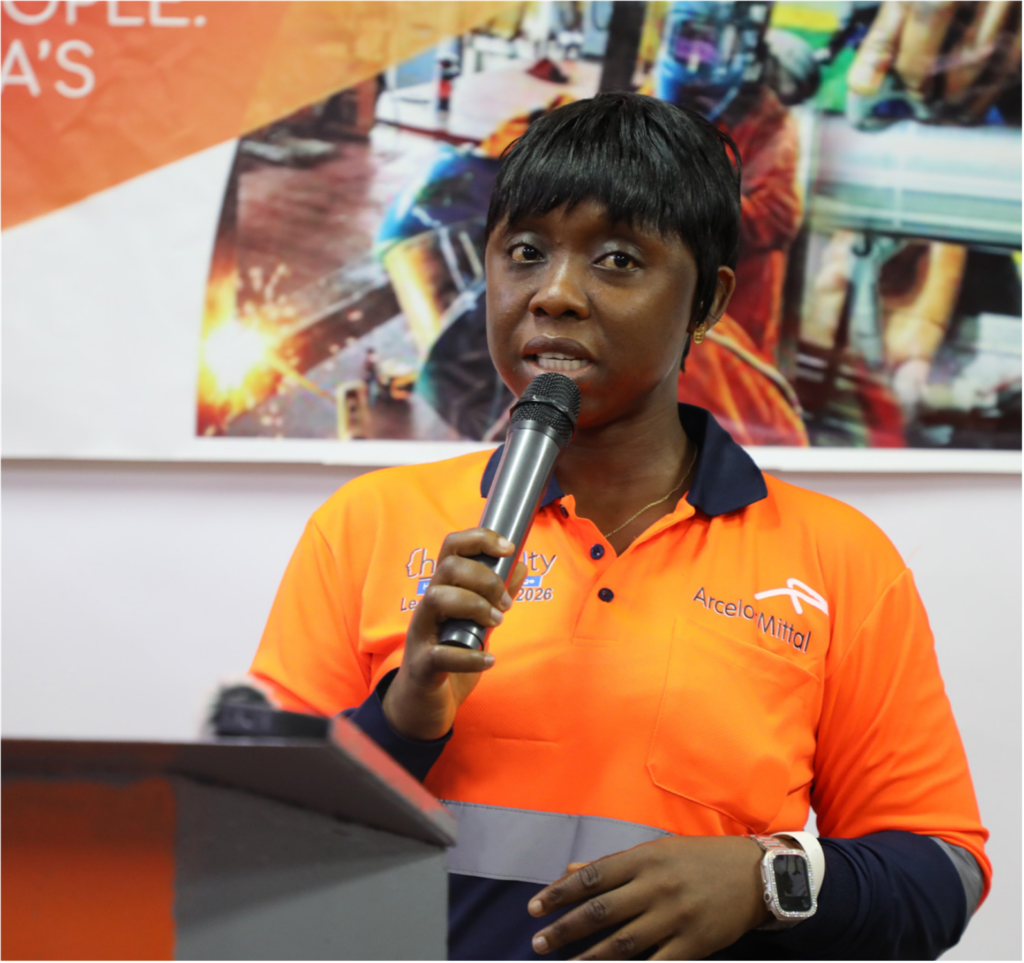
YEKEPA, Nimba County — ArcelorMittal Liberia has moved 56 locally trained artisans into full-time jobs, the latest step in what the steel and mining company calls a long-term push to build a homegrown technical workforce and ease a persistent skills shortage in Liberia’s mining sector.
The hires were drawn from the ArcelorMittal Liberia Training Academy, which the company says is central to its strategy for filling specialized roles in heavy machinery operations and technical maintenance, areas where qualified Liberian candidates have been hard to find.
“Sourcing talents from the local market has proven challenging,” said AML Human Resources Business Partner Patience Jordan Kargbah, noting that even available external candidates often lack the advanced skills required for complex mining infrastructure. “The level of skills and competencies demonstrated by those trained through the ArcelorMittal Liberia Training Academy is unmatched.”
Kargbah said absorbing academy graduates into the permanent workforce turns the company’s training investment into lasting capability. “The transition of trained artisans enables the organization to fully realize its investment in talent development by converting training into lasting capability,” she said. “It further supports the creation of a sustainable, future-ready workforce equipped with critical skills, while also driving transformation through the growth of local talent and reducing reliance on external expertise.”
The 56 new hires follow a larger recruitment drive in 2025, when AML granted full-time employment to 200 artisans and 127 heavy-duty truck operators.
Kargbah said AML directly employs 2,861 Liberian nationals, about 89 percent of its total workforce, a figure that excludes Liberians engaged through subcontractors. She said the academy does not formally guarantee jobs to entrants, but the company’s steady absorption of graduates shows its intent to hire them.
“The company has consistently demonstrated its intent to employ all trainees, given the significant investment of time and resources dedicated to their training and development,” she said.
Academy Manager Dawie Loots described the program as a strategic response to a technical skills shortage the company forecast years ago. He said AML leadership anticipated a growing national deficit in specialized industrial skills and built structured training pipelines for key roles, including artisans, train drivers and process operators, to support its Phase 2 expansion.
The company said the framework is designed to convert Liberia’s natural resource wealth into lasting employment and high-value technical careers, strengthening operational efficiency while equipping young Liberians with internationally relevant skills for future industrial growth.





Discussion about this post