


Published: May 15, 2026
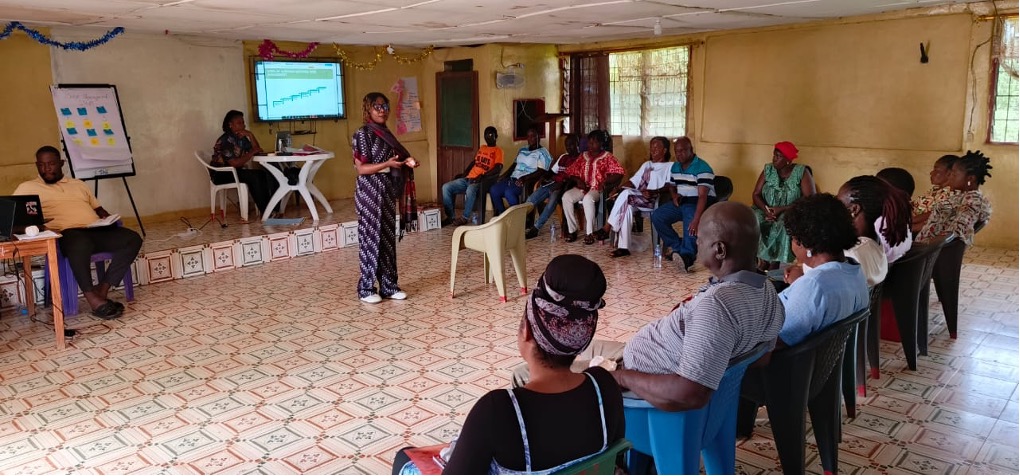
GBARNGA, Bong County – A five-day intensive clinical management training on Sexual and Gender-Based Violence (SGBV), Sexual and Reproductive Health and Rights (SRHR), and survivor-centered response mechanisms has commenced in Gbarnga, Bong County, bringing together health workers, law enforcement officers, civil society actors, and justice sector representatives from many districts across the county.
The training is being implemented within an ActionAid Liberia program, funded by a Swedish government grant from the Swedish International Development Cooperation Agency (Sida), aimed at strengthening community-level response systems for SGBV prevention, case management, and referral pathways.
The project is being implemented across Bong County and four additional counties identified in project communication materials and the implementation design: Grand Gedeh, Gbarpolu, Montserrado, and Margibi. These counties were selected to expand SGBV prevention and response coverage across Liberia, particularly in rural and densely populated urban settings where access to clinical, psychosocial, and legal SGBV services remains uneven and under-resourced.
Briefing The Liberian Investigator during an interview at the Liberia Red Cross Society compound, Thursday, May 14, George Sagbeh, Human Resources Coordinator with Action-Aid Liberia, explained that the initiative is designed to strengthen the capacity of frontline service providers to better respond to SGBV and related health challenges. He said, “We are here on a five-day clinical management training in partnership with the Ministry of Health. This training brings together different health workers from different districts to understand the SGBV mechanism and how best they can apply it when they return to their communities.”
Sagbeh noted that the program brings together a multi-sectoral group of participants, including the Liberia National Police, the Ministry of Gender, justice sector actors such as courts, civil society organizations, and community-based organizations, allowing for integrated learning across the SGBV response system.
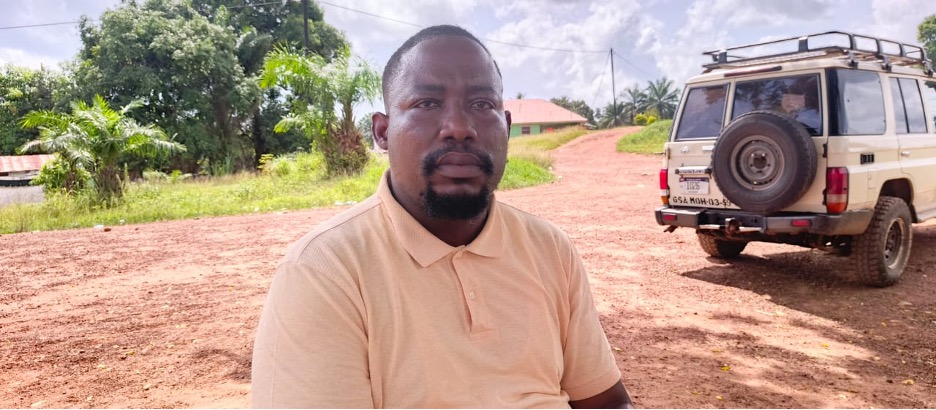
George Sagbeh speaking to the media in Gbarnga, giving an overview of the ongoing SGBV and SRHR training exercise. Credit: Nukanah Kollie
According to him, the project is part of a four-year Swedish-funded grant, implemented by ActionAid Liberia under the Swedish International Development Cooperation Agency (Sida), and is expected to conclude in June this year, focusing on strengthening awareness, clinical management, referral systems, and sexual and reproductive health rights and education.
Sexual Gender-based violence remains a serious public health and human rights concern in Liberia. The World Health Organization estimates that about 1 in 3 women globally (https://www.who.int/health-topics/violence-against-women) experience physical or sexual violence in their lifetime, highlighting the scale of the problem and the urgency of coordinated response systems.
In Liberia, findings from the Demographic and Health Survey profile (https://dhsprogram.com/countries/liberia) show that a significant proportion of women experience intimate partner violence, with underreporting remaining a major challenge due to stigma, fear of retaliation, and community-level settlements that discourage formal reporting.
The United Nations Population Fund also reports (https://liberia.unfpa.org/en/gbv) that SGBV cases continue to be recorded across all counties in Liberia, with women and girls in rural areas particularly vulnerable due to limited access to health, justice, and psychosocial support services.
These trends highlight the importance of sustained interventions such as the ActionAid-Sida-supported program, which seeks to strengthen both prevention and response mechanisms at community and institutional levels across Liberia.
Sagbeh emphasized that a key component of the training is strengthening the referral pathway for SGBV survivors, ensuring cases are properly directed to health facilities, legal authorities, and one-stop centers for comprehensive support. He stressed, “We are teaching participants how to handle SGBV cases, how to refer survivors to the hospital, and how to ensure they are supported through the legal and health systems. This is not something to be settled at home.” He further disclosed that pre- and post-training assessments are being conducted to measure participants’ knowledge improvement and ensure practical application of the skills acquired.
Beyond health facilities, the program also engages schools through boys’ and girls’ forums to promote awareness of sexual and reproductive health rights, SGBV prevention, and protection mechanisms for young people. Sagbeh added that collaboration with the Ministry of Education is ongoing to integrate SGBV and SRHR awareness into school systems across the targeted counties. He said, “We are also engaging schools so that young people can understand their rights and how to access health services, including free services where available.”
Despite progress, Sagbeh acknowledged challenges including limited logistical and financial resources, which affect outreach and community-level engagement. He said, “Every project has challenges, especially in reaching more communities. But we are trying our best to expand knowledge and ensure more people are reached.” He also raised concern over the continued practice of settling SGBV cases at the community level due to stigma, fear, and family pressure, warning that such actions undermine justice and survivor recovery.
Sagbeh urged communities to prioritize reporting Sexual violence cases to formal institutions rather than settling them privately, emphasizing survivor protection and justice. He expressed appreciation to the Government of Sweden through Sida for funding the initiative, to the Ministry of Health for technical support, and to the implementing partners for coordination, noting that participants remain committed to the training despite the holiday period.
The training, which began on Tuesday, May 12, is expected to end on Saturday, May 16, and is anticipated to strengthen Liberia’s SGBV prevention and response system across participating districts and contribute to improved survivor care and accountability mechanisms nationwide.






Discussion about this post