

Published: November 21, 2026
MONROVIA — The World Bank has approved US$45.4 million to help Liberia turn its forests into a source of jobs and income for the communities that depend on them, financing the bank says is meant to help create 50,000 new jobs across six counties.
The World Bank Group Board of Executive Directors approved the money on Nov. 19 for the Liberia Forest Economy Project, known as LiFE-P. The package combines a US$40 million credit from the International Development Association, the bank’s concessional lending arm, and a US$5.4 million grant from the Global Partnership for Sustainable and Resilient Landscapes, a World Bank-administered fund known as PROGREEN.
The project will operate in Gbarpolu, Grand Cape Mount, Grand Bassa, Rivercess, Grand Gedeh and Sinoe counties and is expected to benefit about 110,000 people, at least 45% of them women and at least 20% youth, the bank said.
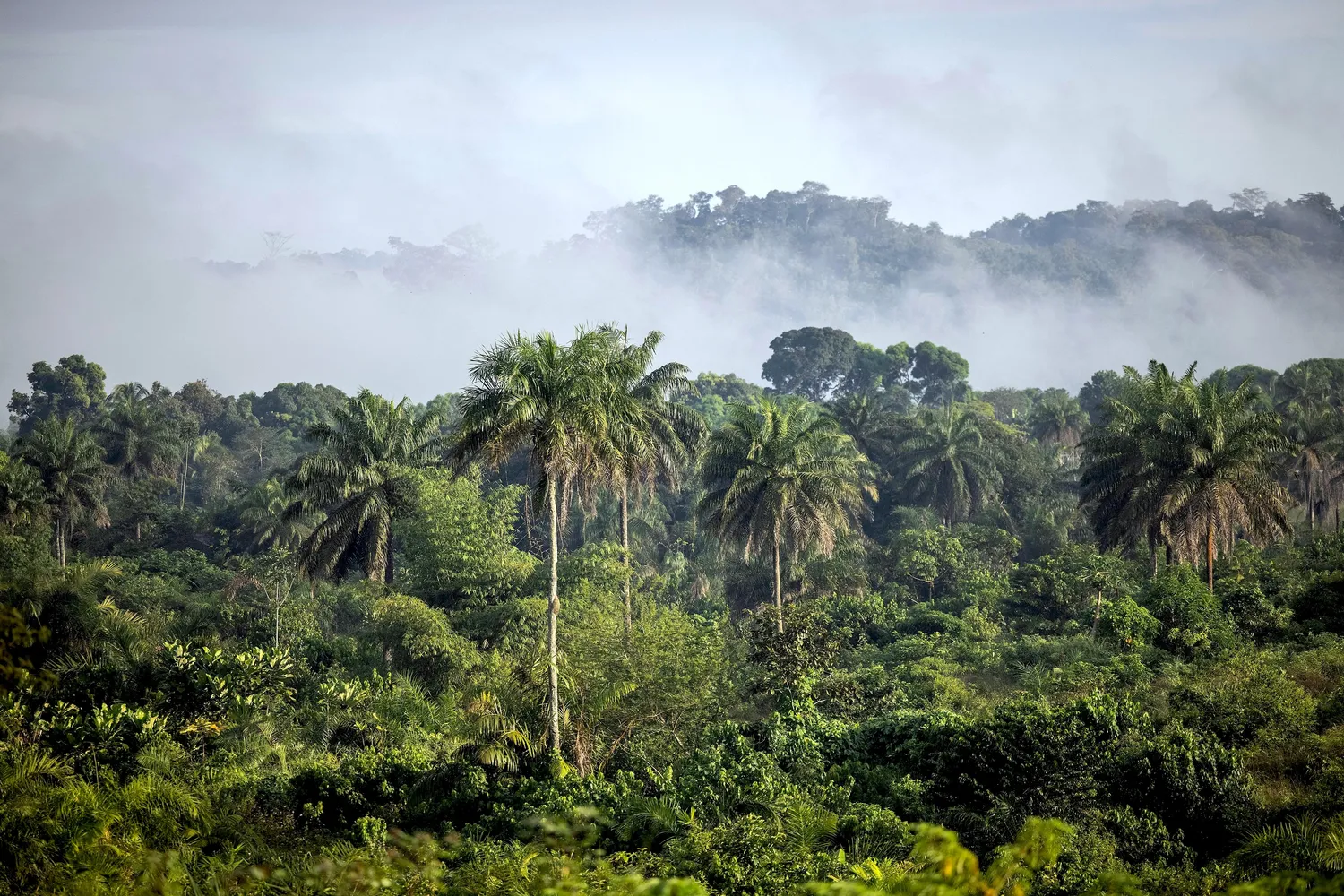
Liberia holds the largest remaining share of the Upper Guinea Forest, one of the world’s most biodiverse ecosystems. The bank said the country’s forests underpin livelihoods and the wider economy but have not delivered their full potential for jobs, income and climate resilience, citing weak governance, limited institutional capacity and underdeveloped value chains as the main constraints.
“Liberia’s forests are one of the country’s greatest natural assets: with strong and responsible stewardship, they can create jobs, power growth, and promote climate resilience,” said Georgia Wallen, the World Bank Group’s country manager for Liberia. “By putting communities at the center, strengthening transparency, and enhancing the environment for responsible private investment, LiFE-P supports Liberia’s ambition to improve forest management and value chain development.”
Under the project, the bank said it will finance stronger legal enforcement, open data and digital traceability systems, and build the capacity of the Forestry Development Authority. It will support 20 Community Forest Management Areas, restore degraded lands and plantations, and improve management of Gola Forest National Park and the Lake Piso Multiple Use Reserve, bringing an estimated 892,600 hectares under enhanced conservation or sustainable management.
The project also aims to engage about 1,000 enterprises through two programs, Forestry Enterprise Grow and Forestry Skills Grow, and to enable US$17 million in private investment.
“This is the start of a long-term partnership to build a forest economy that works for people and nature,” said Ngao Mubanga, a senior environmental specialist at the World Bank Group and the project’s task team leader. “Better governance and traceability, enhanced community forest management, and support for local businesses are mutually reinforcing. Together they can bring lasting income to forest-dependent households while keeping Liberia’s forests standing.”
LiFE-P is the first operation in a planned series of projects expected to run eight to 10 years. Over 25 years, the project is expected to reduce net greenhouse gas emissions by about 5.2 million tons of carbon dioxide equivalent, the bank said.




Discussion about this post