


Published: October 21, 2026
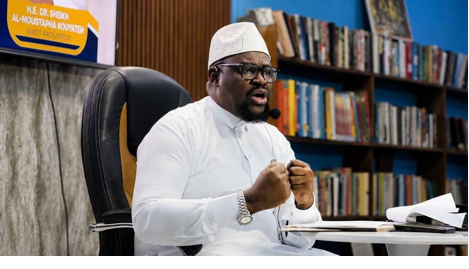
MONROVIA — Former Ambassador Sheikh Al-Moustapha Kouyateh has called on Liberians to resist the country’s concession agreements and demanded they be renegotiated. He accused successive governments of handing the country’s natural wealth to foreign investors while citizens remain poor and jobless.
By Masefane Konneh
“There is nothing called concession that will benefit Liberia,” Kouyateh said Tuesday in an interview with Focus Online News.
He described his appeal as a call for a revolution of resistance against economic injustice and said it should not be read as an endorsement of violence.
“Revolution does not mean violence. Revolution means resistance: resistance to lies, resistance to continued poverty, resistance to maltreatment, resistance to injustice,” he said.
Kouyateh said Liberia must move beyond collecting royalties and use its mineral, agricultural and other resources to secure Liberian ownership, jobs and local industry. He said successive administrations have failed to negotiate deals that protect the country’s long-term interests, and that royalty payments alone cannot deliver development if Liberians are shut out of owning and managing resource industries.
He pointed to rubber, saying decades of production should have built a domestic industry that makes finished products and employs Liberians. He said the country’s continued reliance on raw exports shows the need for a different approach to concession talks.
Kouyateh questioned extending and renegotiating concession agreements with ArcelorMittal Liberia and Bea Mountain Mining Corp. He said no extension should be approved without a full assessment of the financial returns, jobs, infrastructure and benefits each company has provided to affected communities.
He did not present documents showing specific contract violations by either company.
Kouyateh also argued that Liberia should gain more jobs from its international shipping registry. He proposed arrangements to place more Liberians on ships flying the Liberian flag, and offered a hypothetical: 15 Liberians on each of 1,000 vessels would mean 15,000 jobs.
He said Liberia’s resources belong to its citizens and that elected officials hold them in trust. He compared the government to a vehicle the people own, with leaders as drivers bound to go where the owners want, and said officials must not treat national resources as personal property.
Kouyateh warned that continued hardship and public frustration could lead to demonstrations and louder demands for accountability.
“The people will not continue to endure poverty when there is no need to be poor,” he said.
Kouyateh rejected suggestions that his criticism comes from a personal dispute with President Joseph Nyuma Boakai. Asked about reconciling with the president, he said there was no personal conflict to resolve.
“I do not have any personal problem with him,” Kouyateh said. He added that he would meet and greet the president if the opportunity arose, and said his criticism is aimed at government policy, not at Boakai personally.




Discussion about this post