

Published: October 21, 2026
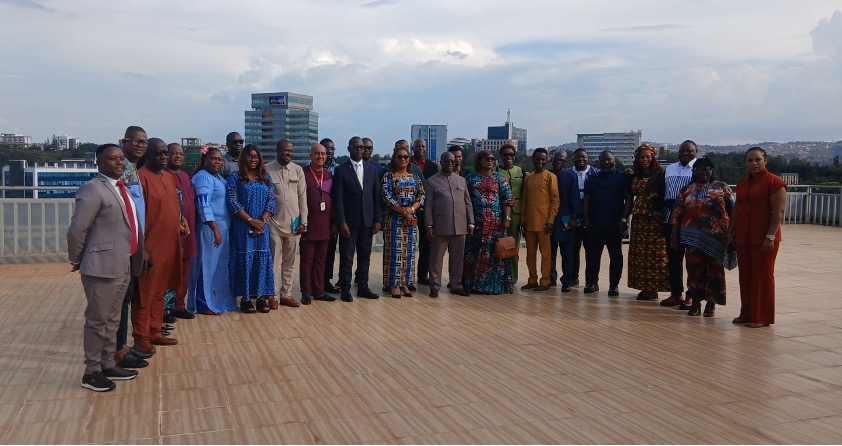
KIGALI, Rwanda — Liberia is looking to Rwanda’s postwar recovery for ways to help county governments deliver better services, as a government delegation began talks here this week on getting the country’s natural wealth to communities beyond Monrovia.
“We have gold, we have diamonds, we have bauxite and we have the ocean of affection. But how can we translate these resources into benefits for our people?” said Deputy Minister Edward Mulbah, who heads the delegation.
The team includes officials from the Ministry of Finance and Development Planning, the Ministry of Internal Affairs, the Governance Commission, and the U.N. Development Program. Rwanda Cooperation, the agency that shares Rwanda’s development experience with other countries, is coordinating the program. The tour runs from Oct. 18 through Oct. 29.
Mulbah said Liberia wants to understand how Rwanda rebuilt its institutions after the 1994 genocide against the Tutsi and turned that recovery into a wider national development program. Liberia has put local governance structures in place, he said, but they still need the capacity to deliver services and respond to citizens.
The visit comes as the government works to bring governance closer to communities, strengthen local institutions, and ensure public money delivers better services across all 15 counties. Liberia emerged from 14 years of civil war in 2003. The challenge since then has been to spread the gains of peace, growth, and public investment beyond the capital.
Liberia’s decentralization rests on the Local Government Act of 2018 and related laws and policies. Together, they are intended to strengthen local administration, citizen participation, and the management of public resources at the county and community levels. Making those structures work, particularly in local planning, revenue collection, budgeting, and service delivery, remains the government’s task.
Richard Niwenshuti, chief executive officer of Rwanda Cooperation, welcomed the delegation. He said his agency was set up to help other countries learn from Rwanda’s homegrown development approaches through South-South and triangular cooperation.
Since the agency’s founding in 2018, Rwanda has hosted delegations from more than 70 countries, Niwenshuti said. Those exchanges have covered governance, public financial management, digital services, social protection, and other areas.
He said Rwanda’s recovery after the genocide was driven by national unity, ambitious development goals and accountability. He said it also drew on homegrown solutions and lessons from abroad.
The Liberians were introduced to three of Rwanda’s signature tools. The first is Imihigo, a performance-contract system that ties agreed development targets to the performance of officials and institutions. The second is Umuganda, a monthly community work program. The third is a set of digital government platforms meant to make public services easier to reach.
Over the coming days, the delegation will study how Rwanda coordinates planning and implementation across levels of government, monitors performance, and engages citizens in local development. The team will also examine how central and local authorities divide responsibilities, funding, and accountability.
The program continues Wednesday with Rwanda’s Ministry of Local Government and its Ministry of Finance and Economic Planning, among other institutions.
The delegation’s learning is expected to shape discussions on strengthening Liberia’s decentralization framework and turning existing reforms into real improvements in people’s lives.


Discussion about this post