

Published: February 5, 2026
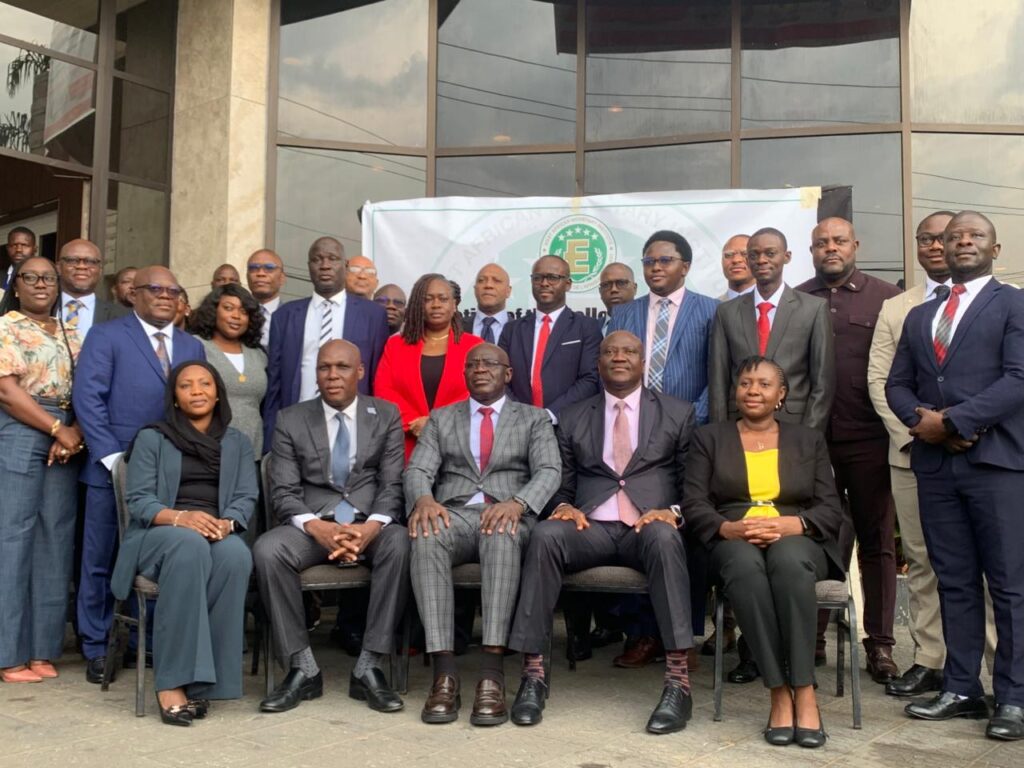
MONROVIA – West African banking regulators and financial sector supervisors have converged in Liberia for high-level discussions aimed at strengthening regional financial stability, harmonizing regulatory frameworks, and accelerating progress toward monetary integration within the West African Monetary Zone (WAMZ).
The 56th Meeting of the College of Supervisors of the West African Monetary Zone (CSWAMZ), coordinated by the West African Monetary Institute (WAMI), officially opened Wednesday, Feb. 4, 2026, in Monrovia. The meeting brings together central bank officials, financial regulators, and regional financial institutions to address emerging financial risks, digital banking expansion, and cross-border supervisory coordination among member states.
Opening the meeting, Mahawa Korjie, Officer-in-Charge of the Banking Supervision Department at the Bank of Sierra Leone and Chairperson of CSWAMZ, emphasized the importance of renewed cooperation among member countries.
“Meeting face-to-face once again reinforces our collective commitment to direct engagement, stronger collaboration, and deeper supervisory cooperation across the zone,” Korjie said. She added, “A sound, resilient, and well-supervised banking sector is essential to sustaining economic growth and financial confidence across our jurisdictions.”
Korjie also acknowledged WAMI’s technical leadership in coordinating supervisory frameworks and supporting preparations toward the proposed ECO regional currency, noting that policy harmonization remains critical to strengthening the region’s financial architecture.
Delivering remarks at the opening ceremony, WAMI Director General Dr. Abdulsalam Sikiru Abidemi described the meeting as timely, noting that the region’s banking sector is undergoing rapid transformation driven by technological innovation and regulatory reforms.
“This meeting is not merely a statutory requirement. It provides an important opportunity to review developments in the banking sector, address regulatory challenges, and identify emerging risks across member states,” Abidemi said. He warned that while digital financial services are expanding access to finance, “these advancements also come with emerging risks, including increased exposure to fraud, cybercrime, and regulatory fragmentation.”
Abidemi said economic recovery across the zone is gaining momentum, supported by declining inflation pressures and policy adjustments by national authorities. However, he cautioned that exchange rate volatility, rising debt servicing costs, tight financial conditions, and global geopolitical tensions continue to threaten regional financial stability.
Central Bank of Liberia Executive Governor Henry F. Saamoi, in his keynote address, reaffirmed Liberia’s commitment to regional financial integration and supervisory cooperation, describing financial supervisors as critical guardians of stability.
“In today’s deeply interconnected financial system, financial risks no longer respect national borders,” Saamoi said. “The College of Supervisors stands as a cornerstone of regional financial governance, providing a structured framework for cooperation, information sharing, and coordinated intervention.”
Saamoi outlined several reforms implemented by the Central Bank of Liberia to strengthen the country’s financial sector, including a phased increase in the minimum capital requirement for commercial banks from $10 million to $15 million over a three-year period to enhance financial resilience and support sustainable credit growth.
He also highlighted Liberia’s progress in modernizing its financial infrastructure, including the launch of the Inclusive and Instant Payment System in late 2025 to improve nationwide payment interoperability and expand financial services access.
“As supervisors, you are not merely regulators; you are the architects of trust,” Saamoi said, urging participants to strengthen cross-border cooperation and regulatory harmonization.
Despite progress, Saamoi acknowledged continuing challenges, including elevated non-performing loans, infrastructure gaps, and global economic pressures. He said the Central Bank is intensifying enforcement of loan classification standards and plans to convene a national forum to develop sustainable solutions to reduce bad loans.
Saamoi noted that Liberia’s macroeconomic performance has improved, with real GDP growth reaching 5.1 percent in 2025 and inflation declining to about 4 percent. He added that Liberia has met several ECOWAS convergence benchmarks under an IMF-supported program, demonstrating progress toward regional monetary integration.
The CSWAMZ meeting is expected to conclude Feb. 7, with recommendations aimed at strengthening cross-border banking supervision and advancing financial integration across WAMZ member states.





Discussion about this post