


Published: November 13, 2025
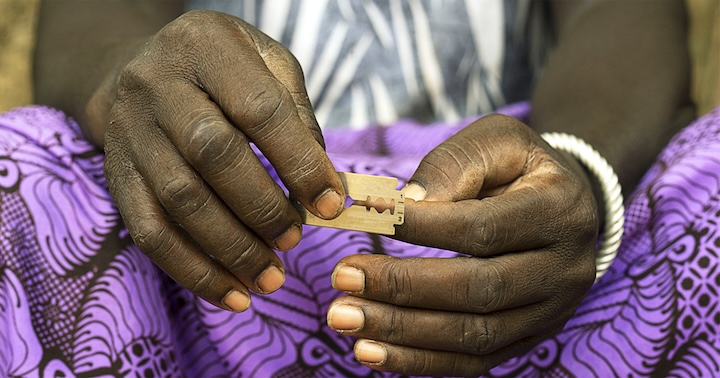
MONROVIA — As lawmakers debate President Joseph Nyuma Boakai’s proposed bill to outlaw harmful cultural practices, former Miss Liberia Wokie Dolo has thrown fresh fuel on an already divisive national debate by calling for a complete ban on female genital mutilation (FGM) and other practices she described as violations of women’s rights.
In a Facebook post titled “A Call for the Ban of Harmful Practices in Liberia,” Dolo urged legislators to take “bold legislative steps” to end FGM, early marriages and gender-based violence, arguing that no cultural tradition should override the dignity and safety of women and girls.
“Culture preservation should never come at the cost of human dignity,” she wrote. “Traditions should evolve to empower rather than harm.”
Her remarks came at a sensitive moment as the Act to Ban Harmful Cultural Practices in Liberia—a centerpiece of the administration’s gender and human rights agenda—faces intense scrutiny in the House of Representatives. The bill seeks to formally criminalize FGM, establish penalties and strengthen enforcement mechanisms long criticized as weak and inconsistent.
Public Opinion Splits Sharply
Dolo’s post triggered a wave of online reactions that reflected a deeply polarized national mood. Hundreds took to Facebook to either commend her stance or condemn it as an attack on cultural identity.
Commenters defending tradition argued that the Sande society, the secret women’s institution where FGM is practiced, forms the backbone of womanhood, discipline and community belonging. “Stop disrespecting our culture,” wrote Martin Jutomue Lawor. “They learn to be obedient, loyal and respectful—unlike those practicing Western culture of walking naked.”
Others accused rights advocates of ignoring Western practices they consider equally extreme. “Western people remove their ribs, bleach their skins, and get endless plastic surgeries,” wrote Orson G. Gonshn, arguing that FGM should not be singled out.
Some downplayed the need for a ban, suggesting reform rather than abolition. “Our ancestors respected this culture. It just needs to evolve with time,” said Johnet Leemu Johnson.
But many commenters sided with Dolo, insisting that the physical and psychological harm associated with FGM cannot be justified. “No child should be forced to endure such pain,” one user wrote. “Ending FGM is protecting girls and giving them the right to choose.”
Others accused traditionalists of using culture to mask abuse. “The scars many women carry were never their choice,” wrote Leator Padmore. “We cannot glorify trauma as tradition.”
A Long-Standing National Struggle
Liberia has struggled for years to reconcile modern human-rights standards with long-held cultural practices rooted in the Sande society, which remains influential in 11 of Liberia’s 15 counties.
Government action has been sporadic. The Ministry of Internal Affairs and Ministry of Gender have repeatedly shut down bush schools and suspended traditional practitioners, but enforcement has been unpredictable and often resisted. Despite a 2023 declaration by the National Council of Chiefs and Elders of Liberia (NACCEL) pledging to end FGM in several counties, reports indicate that the practice continues underground in Lofa, Bong and Grand Bassa.
Rights groups say the Boakai administration’s bill could be a turning point, finally giving Liberia a strong legal framework to fight FGM. But traditional leaders warn it could deepen rural resentment if pushed through without dialogue and cultural sensitivity.
A Cultural Reckoning
Dolo’s post has now become a symbol of a broader ideological clash in Liberia. Her critics say she is “too westernized,” while her supporters celebrate her as a voice of courage, speaking up where many women remain silent.
“This debate isn’t just about FGM,” one commenter noted. “It’s about whether Liberia wants to be defined by pain or by progress.”
The growing controversy underscores how deeply intertwined FGM is with identity, belonging and generational beliefs. For some Liberians, banning the practice equates to erasing cultural heritage. For others, it is the only path toward protecting girls and modernizing traditions in line with human dignity.
As the proposed legislation moves closer to the floor of the House of Representatives, the stakes continue to rise. Whether the bill becomes law—or is reshaped under pressure from traditional leaders—could determine the future of one of Liberia’s most sensitive cultural institutions.
Yet Dolo remains firm in her conviction. “Ending harmful practices,” she wrote, “is not rejecting culture—it’s protecting our girls and their right to choose.”





Discussion about this post