


Published: July 20, 2026
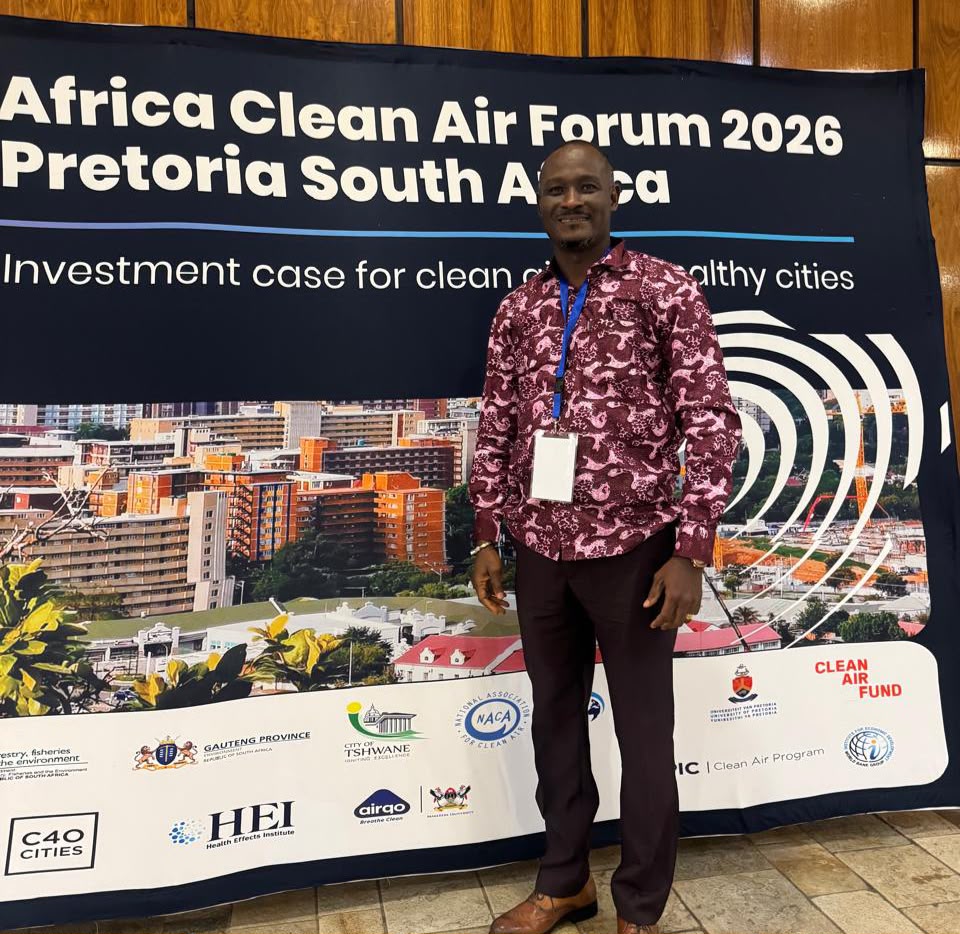
Monrovia – Liberian scientist and natural science researcher Sheck Abdul Sherif has received international recognition for his significant contribution to improving air quality monitoring and environmental research in Liberia through the Clean Air Liberia Project.
Sherif’s groundbreaking work was honored at the Energy Policy Institute at the University of Chicago (EPIC) Air Quality Summit in South Africa, where the Clean Air Liberia Project was recognized among only seven initiatives worldwide that achieved significant national policy impact in 2025.
According to the United Nations Environment Programme (UNEP), methane and black carbon emissions from open burning of household waste and dumpsites, widespread charcoal use, and the burning of agricultural residues remain among Liberia’s most significant sources of air pollution. These pollutants pose serious health and environmental risks, making reliable air quality monitoring essential for evidence-based policymaking and public health protection.
Recognizing this challenge, Sherif has led the implementation of the Clean Air Liberia Project—a collaborative effort dedicated to improving air quality monitoring, scientific research, public awareness, and environmental policy through partnerships among national, regional, and international institutions.
In announcing the recognition, the award organizers praised the project’s remarkable achievements.
“You are one of seven awardee groups who have had a national policy impact in 2025. Your historic work has led to the creation of Liberia’s first long-term PM2.5 monitoring network that includes both low-cost sensors and reference-grade monitoring,” the organizers stated.
Responding to the recognition, Sheck Abdul Sherif, Project Lead of the Clean Air Liberia Project, described the award as an important milestone for Liberia’s environmental and public health efforts.
This recognition is a proud moment for Liberia. It demonstrates that with dedicated local leadership and strong partnerships, we can develop systems that produce credible environmental data and support national policies. Clean air is not just a scientific issue; it is a public health and development concern, and this achievement provides Liberia with a stronger foundation to take action,” Sherif said.
The recognition underscores Liberia’s growing role in addressing air pollution through science-driven solutions and collaborative environmental action.
The Clean Air Liberia Project is transforming the country’s approach to air quality management by shifting from sporadic particulate matter (PM2.5) measurements to a sustainable national monitoring and reporting system. The initiative has set up monitoring stations at key locations, offers open access to PM2.5 data, and actively involves government agencies, researchers, civil society organizations, and local communities in enhancing environmental governance.
Beyond generating scientific data, the project is helping to build the evidence base needed for stronger environmental policies, informed public health interventions, and long-term strategies to reduce harmful emissions across Liberia.
Sherif’s international recognition not only celebrates his personal leadership in environmental science but also highlights Liberia’s increasing dedication to combat air pollution through innovation, research, and global cooperation. The award stands as evidence of the influence that locally led scientific efforts can have in shaping national policies and fostering cleaner, healthier communities.




Discussion about this post