



Published: July 2, 2025
CAPITOL HILL – With buildings crumbling and students risking their lives daily to get to class, Montserrado County District #1 Representative Rugie Barry is calling on the House of Representatives to urgently increase the University of Liberia’s (UL) budget by $12 million, warning that the country’s flagship public university is teetering on the brink of collapse.
In a communication to the House’s plenary Tuesday, Barry proposed raising UL’s annual allocation from US$33 million to US$45 million, citing dangerous infrastructure, a chronic lack of basic learning materials, and unsafe student transportation that have turned the learning environment into what she described as “a crisis.”
“I am compelled by duty, conscience, and national responsibility,” Barry told lawmakers, “to bring to the attention of this august body the persistent and growing challenges confronting the University of Liberia and the over twenty-two thousand students it serves.”
Students Learning in Deplorable Conditions
Barry painted a grim picture of life on UL’s campuses, describing buildings with leaking roofs, cracked walls, and broken windows. She said the conditions are not just unsightly, but pose real risks to students’ safety and academic performance.
“Classrooms are overcrowded and ill-equipped, with a significant shortage of chairs, water supply, sanitary facilities, and outdated laboratory and library materials,” Barry wrote.
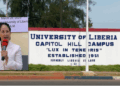
Established in 1862, the University of Liberia operates three main campuses: Capitol Hill, Fendell, and the A.M. Dogliotti College of Medicine. But decades of underfunding have left many facilities in ruin, forcing students to study in what some have called “inhumane conditions.”
Transportation Crisis Endangers Lives
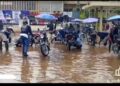
Perhaps most alarming, Barry said, is the university’s transportation crisis, particularly at the sprawling Fendell campus. With only a handful of buses available, thousands of students are left scrambling for alternatives – often piling onto overloaded trucks or hiring commercial tricycles known locally as “kehkehs.”
“These unsafe options create severe safety risks,” Barry warned, “and regularly disrupt the academic calendar due to tardiness or absenteeism.”
The transportation dilemma has triggered student protests in recent years, with some incidents resulting in clashes with security forces.
Budget Covers Salaries, Little Else
UL’s current $33 million allocation, Barry noted, is barely enough to cover staff salaries and administrative costs, leaving little for repairs, upgrades, or instructional equipment. She argued that a $12 million increase would provide a lifeline, helping the university address its most pressing infrastructure and service needs.
Dr. Layli Maparyan, UL’s President, has repeatedly called for more government support, warning that without investment, the university cannot meet the demands of modern higher education or Liberia’s development goals.
Constitutional and Global Education Commitments
Barry’s request draws on Liberia’s legal and international commitments to accessible, quality education, including Article 6 of the Liberian Constitution and key human rights treaties such as the Universal Declaration of Human Rights and the Convention on the Rights of the Child.
“Liberia has a legal and moral duty to ensure that its premier university is not left to deteriorate,” Barry argued, adding that failure to act not only undermines national development but violates international obligations.
She also referenced the African Union’s Agenda 2063 and the United Nations’ Sustainable Development Goal 4, which call for inclusive and equitable quality education across the continent.
Lawmakers Set to Probe Proposal
Following Barry’s communication, the House of Representatives instructed its Committees on Education and Ways, Means, and Finance to convene a hearing with university officials to assess the feasibility of the proposed increase.



Discussion about this post