


Published: September 18, 2026
MONROVIA, Liberia — Power has a strange way of making political leaders feel permanent. History has an even stranger way of proving them wrong. For generations, Liberia has witnessed the rise and fall of leaders who appeared, at different moments, to command the machinery of the state, the loyalty of supporters and the direction of the nation.
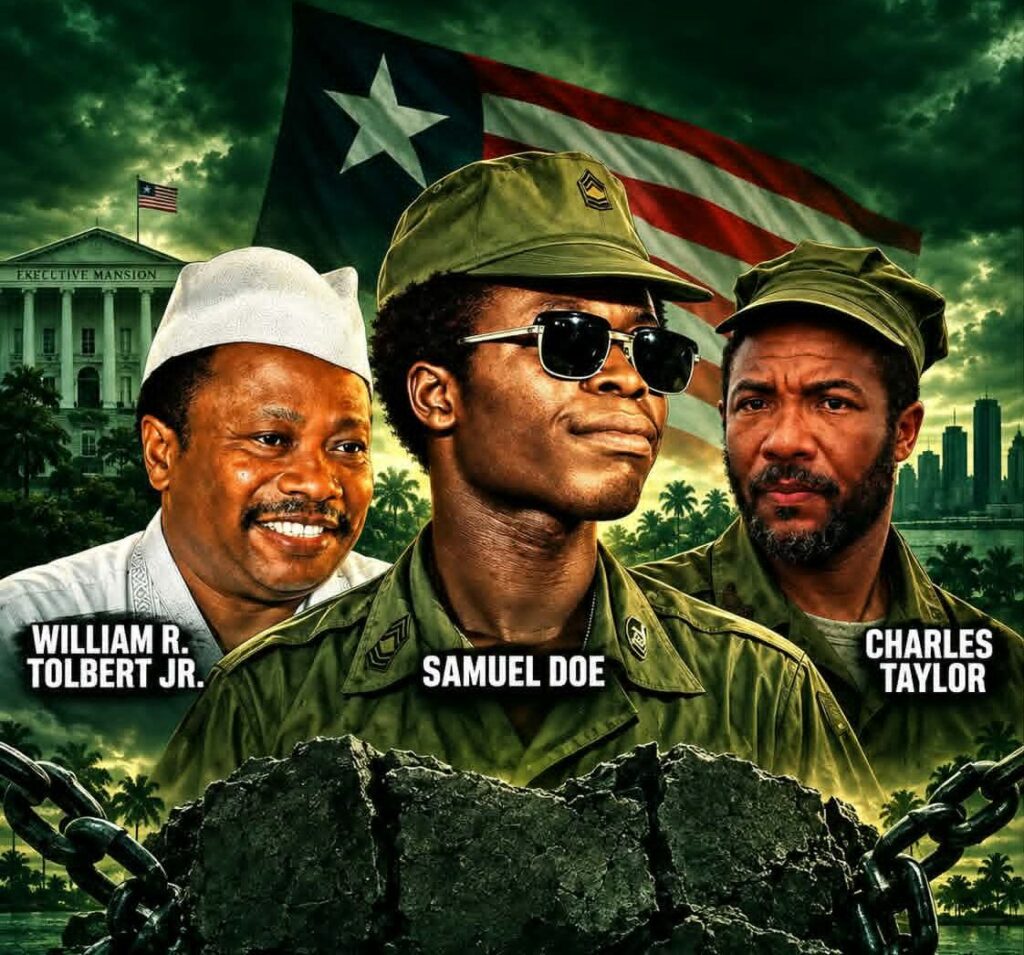
William R. Tolbert Jr., Samuel K. Doe and Charles Ghankay Taylor each occupied a powerful place in Liberia’s political history. Yet all three ultimately fell. Their paths to power were different. Their political circumstances were different. Their methods of governing were different. And the circumstances surrounding their departures from power were profoundly different.
But taken together, their stories offer Liberia an enduring warning: Power without accountability is temporary.
Every Liberian who seeks the presidency, controls a government institution or dreams of political leadership should study these chapters of history before falling in love with power. Tolbert, Liberia’s 20th president, inherited a political system dominated by the True Whig Party, which had controlled national politics for more than a century. His administration faced growing criticism over economic inequality, political exclusion and social grievances.
In April 1980, those tensions culminated in a military coup. Tolbert was assassinated, ending the True Whig Party era and beginning a period of military rule under Master Sgt. Samuel K. Doe. Doe’s rise represented a dramatic rupture with Liberia’s political past. He became the country’s first indigenous head of state following the coup and eventually transformed himself from military ruler into elected president.
But the promise of a new political order did not produce lasting stability. Doe’s government became increasingly associated with repression, political exclusion and ethnic tensions. Liberia’s political divisions deepened, and in 1989 an armed rebellion led by Charles Taylor plunged the country into civil war. Doe was eventually captured and killed in 1990.
Taylor’s own journey demonstrated another dimension of Liberia’s complicated relationship with political power. He emerged from the civil war as one of the country’s most influential political figures and won the presidency in 1997. His electoral victory came after years of conflict in which many Liberians were desperate for an end to war. But Taylor’s presidency did not end Liberia’s political and regional turmoil. His government faced mounting domestic and international pressure over its role in the conflict in neighboring Sierra Leone.
In 2003, Taylor resigned the presidency and went into exile in Nigeria as Liberia again descended into war. He was later convicted by the Special Court for Sierra Leone for aiding and abetting war crimes and crimes against humanity committed during the Sierra Leone conflict. Three men. Three eras. Three very different political journeys. Three falls.
History should not reduce their lives to one simple narrative. But their experiences expose recurring weaknesses that have repeatedly threatened Liberia: political exclusion, public frustration, insecurity, economic hardship, institutional weakness, factionalism and the abuse of state power. Perhaps most importantly, they reveal the danger of leaders becoming isolated from reality. That danger does not always come from political opponents. Sometimes it comes from applause. It comes from loyalists who refuse to tell a leader the truth. It comes from advisers who fear losing their positions. It comes from political supporters who transform legitimate admiration into personal worship. It comes from the dangerous belief that one individual is indispensable to the survival of a nation.
That is when political leadership can become detached from the people it is supposed to serve. A leader surrounded by people repeatedly saying, “You are the only one who can save Liberia,” may eventually begin to believe that Liberia belongs to him. It does not. Liberia existed before every current politician. It will exist after every current politician leaves office. That reality should humble anyone who enters the Executive Mansion.
Former President George Weah should study Liberia’s history. President Joseph Nyuma Boakai should study it. Alexander B. Cummings should study it. So should every senator, representative, minister, party chairman, political activist and young Liberian aspiring to public office.
The lesson is not that political leaders must fear losing power. The lesson is that they must understand that power was never theirs to own in the first place. Political office is temporary stewardship.
A president does not own the government. A political party does not own the state. A majority in the Legislature does not own Liberia. And political supporters do not represent the entire nation. One of the most uncomfortable lessons of history is that a leader can stand before thousands of cheering supporters while moving steadily toward political disaster.
Crowds can create confidence. They can also create illusions.
Tolbert’s death demonstrates how unresolved grievances can eventually become explosive when institutions fail to address them peacefully. Doe’s downfall demonstrates that coercion and control cannot substitute indefinitely for legitimacy. Taylor’s experience demonstrates that military influence, political popularity or electoral victory cannot erase accountability.
But Liberia must not draw the wrong conclusion from these histories. The answer to political failure is not another coup. It is not another civil war. It is not revenge. Liberia has already paid an enormous price in blood because political disputes were allowed to escape institutional and democratic boundaries. The country does not need another generation of political violence. It needs stronger institutions. It needs courts capable of investigating powerful people without fear or favor.
It needs a Legislature capable of exercising independent oversight. It needs a professional security sector loyal to the Constitution rather than individual politicians. It needs a free, independent and responsible press capable of questioning those in power. It needs transparent public institutions. It needs citizens who can disagree with presidents without being branded enemies of the state.
And, perhaps most importantly, Liberia needs peaceful transfers of political power to become so normal that losing an election is regarded as a political setback rather than an existential threat. The ultimate measure of a president should therefore not be how powerful he was while in office. It should be what happened to the country after he left.
A successful Liberian president should not leave behind citizens saying, “He was powerful.” A far greater legacy would be: He made Liberia stronger than himself. That is leadership.
Build institutions that can investigate you. Build courts that do not fear you. Build a Legislature that can question your administration. Build a media environment where journalists can investigate government without intimidation. Build a security sector that protects citizens rather than political interests. Build a government capable of surviving your departure. And build a Liberia where former presidents can leave office peacefully, live as citizens and participate in national life without fearing political retaliation.
Accountability should happen in courtrooms, not on battlefields. Political disagreements should be settled through ballots, not bullets. And citizens should never again be required to choose between supporting a politician and remaining safe.
The saddest lesson in Liberia’s political history is therefore not simply that powerful men eventually fell. It is the suffering endured by ordinary Liberians while political power was being contested. Thousands lost their lives. Families were separated. Communities were destroyed. Children lost opportunities. Businesses collapsed. Institutions were weakened. A generation inherited the consequences of political decisions made by people who possessed power for only a fraction of Liberia’s history.
That is why the country’s political class must look beyond the next election. Leaders come. Leaders go. Presidents can eventually become photographs in history books. Their speeches become archival material. Their administrations become subjects of academic research. Their political victories and defeats become chapters taught to future generations. But Liberia remains.
The Republic will outlive every president, every political party and every political movement. That should be the humility behind public service.
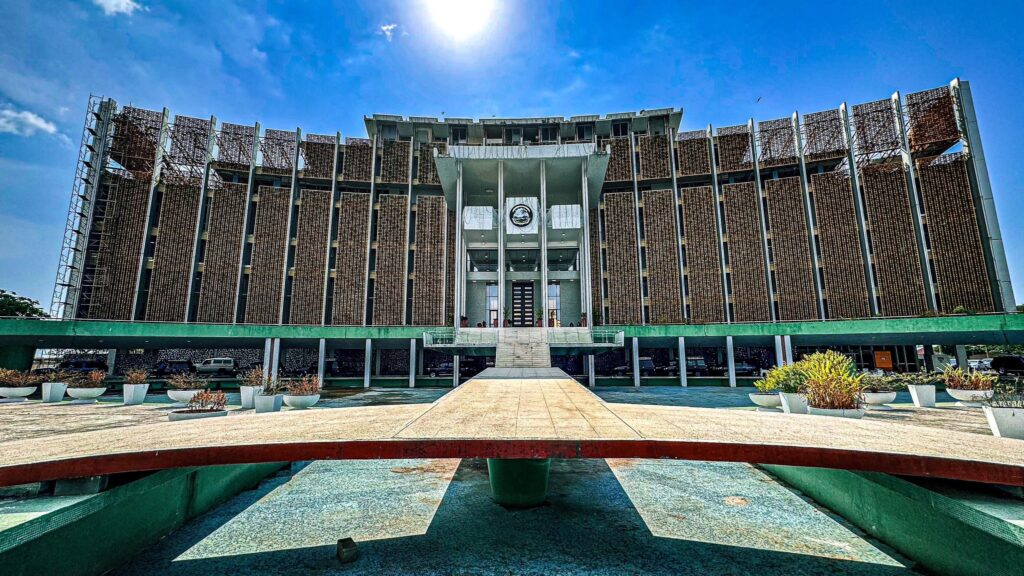
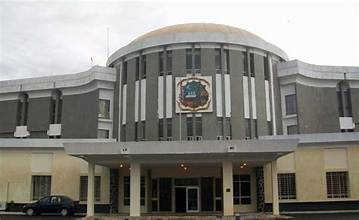
Every leader who enters the Executive Mansion should understand that the office is larger than the individual who occupies it. The presidency is not a personal possession. It is a trust. And history is always watching.
Tolbert, Doe and Taylor should therefore not be remembered merely as men who rose to power and eventually lost it. Their stories should be studied as warnings about what happens when political grievances, institutional weaknesses, insecurity and the pursuit of power are allowed to overwhelm democratic accountability.
Liberia does not need leaders who simply win power. It needs leaders who know how to use power responsibly. It needs leaders who can accept criticism. It needs leaders who can hear “no.” It needs leaders who understand that political opponents are not enemies of the state. And it needs leaders courageous enough to build institutions that remain strong even after they are gone.
The measure of leadership is ultimately not how long a person can hold power. It is what he or she leaves behind. Liberia deserves leaders who strengthen institutions, respect accountability and leave the nation stronger than they found it.





Discussion about this post