


Published: October 26, 2026
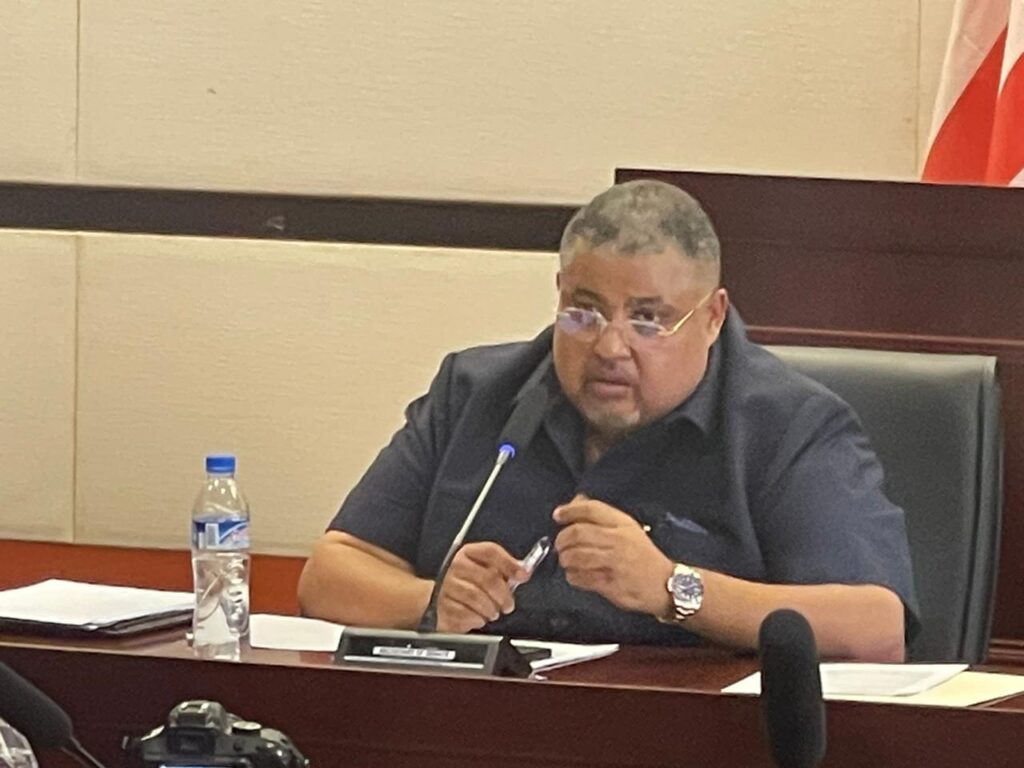
MONROVIA – Former Commerce and Industry Minister Amin Modad is calling for a comprehensive review of Liberia’s public-sector pay system. He says criticism of the Central Bank of Liberia deputy governor nominee’s US$29,000 monthly package should target the compensation system, not her.
By Masefane Konneh
Modad made the call in a statement posted on his social media page on Friday, Oct. 23. The statement came after Euphemia Gbadee Swen-Monmia, the nominee for CBL deputy governor for economic policy, disclosed at her Senate confirmation hearing that she would receive a monthly salary of US$9,000, cash benefits of about US$5,000, and a housing allowance of US$15,000.
“We must not personalize a legitimate policy debate,” Modad said. He said Swen-Monmia did not set the position’s compensation.
The disclosure has set off public debate in a country where some civil servants earn as little as US$150 a month.
Modad said a review should cover doctors, nurses, teachers, soldiers, police officers, judges, and other civil servants, not only senior officials. He called for a pay system that ties salaries and benefits to competence, responsibility, measurable performance, and accountability, with transparent standards for salaries, housing allowances, and other benefits.
He asked whether the government had compared the deputy governor’s package with the compensation of commercial bank executives and central bank officials across the region. He said such comparisons are needed to judge whether pay matches the responsibilities and qualifications the job requires.
He said cabinet ministers may be underpaid. According to Modad, a Liberian cabinet minister earns about US$5,826 per month gross and takes home about US$4,176 after deductions.
“How can we move away from mediocre performances in government and corruption when we don’t pay competitively in some cases?” he said.
Modad said higher pay alone would not end corruption or guarantee better performance. He said doctors and other medical professionals are often paid far below what their training and responsibilities warrant, which pushes skilled workers to leave the country.
Modad said that as commerce minister, he voluntarily took a pay cut and declined the benefits that came with his seats on statutory boards. He said dividends from businesses he set up before his appointment made that possible. Other officials do not have that cushion, he said, which is why the country needs a sustainable pay system rather than relying on personal sacrifice.
Modad acknowledged salary adjustments the Boakai administration has already made. He pointed to government revenue topping US$1 billion as room for targeted investment in essential services, but said any pay increases must stay within what the country can afford.
He cited Singapore’s founding prime minister, Lee Kuan Yew, whose government paired competitive salaries and merit-based appointments with tough anti-corruption enforcement. Modad said Singaporean ministers earn more than US$1 million a year, but he was not proposing similar salaries for Liberian officials; he only asked Liberia to study how Singapore attracts talent and enforces performance.
He said family and social pressure to support relatives and friends adds to the financial strain on qualified government professionals.
Modad resigned from the Boakai administration in October 2024.




Discussion about this post