


Published: June 8, 2026
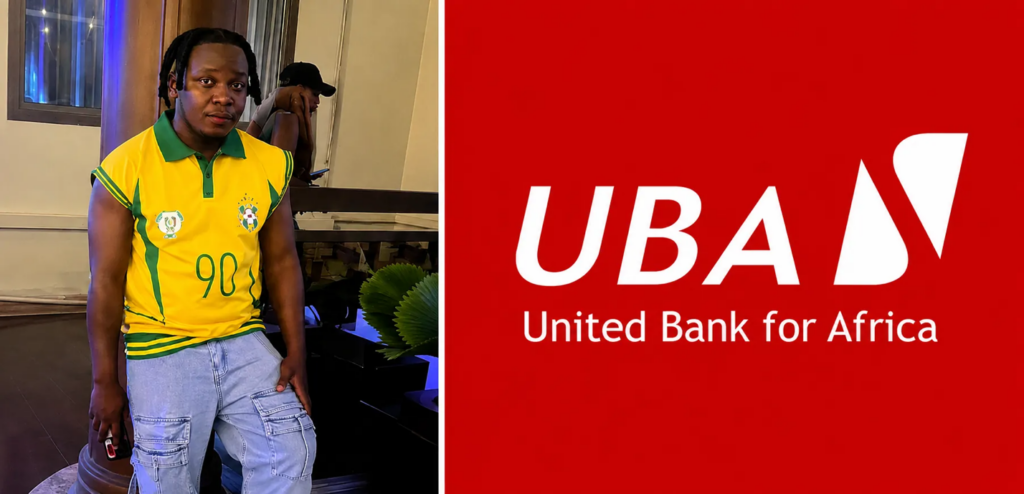
MONROVIA — A Paynesville mobile money merchant has been charged with theft after allegedly cashing out about US$45,000 of a US$250,000 sum that a United Bank for Africa teller wired to him by mistake, the Liberia National Police said.
Police charged Leroy Cooper, who operates under the business name Leroy Cooper Business Branch #3, with theft of property and theft of property lost, mislaid or delivered by mistake, following an investigation into the disappearance of the funds.
The case began on June 1, when a UBA customer identified as Hassan Bility visited the bank’s ELWA Junction Branch in Paynesville to send L$250,000 to Cooper’s MTN Mobile Money account. According to the police investigation report, teller Sandra B. Wleh instead transferred US$250,000, turning a routine transaction into a quarter-million-dollar error. The mistake was discovered later during routine reconciliation, police said.
Once the bank caught the error, officials moved to recover the money and contacted MTN LoneStar Cell to halt any movement of the funds. By then, investigators say, Cooper had already begun shifting the money to other accounts.
The most damaging finding in the report, police say, is that Cooper recognized almost immediately that the money was not meant for him. In his statement to investigators, Cooper said he checked his account after the transfer notification and saw that US$250,000 had landed instead of the L$250,000 he expected. Police say he admitted discussing the unexpected deposit with his fiancée and business associates but chose not to alert the bank or mobile money authorities, moving the funds through multiple accounts instead.
The report states that Cooper cashed out roughly US$45,000 before UBA’s intervention froze the remaining balance. Through its legal counsel, Cllr. Gartor Tate, the bank told investigators it lost US$250,000 as a direct result of the erroneous transaction and said recovery was frustrated because portions of the money had already left the original account. Investigators say they obtained and analyzed mobile money records that confirmed the funds moved out of Cooper’s account shortly after the mistaken transfer.
While the inquiry focused on Cooper, police found no evidence that Wleh acted deliberately, concluding the transfer stemmed from genuine human error rather than an attempt to steal. “Investigation established that the bank teller acted with no purpose, intent or motive to steal from her employer,” the report stated.
Police say the evidence showed that Cooper received the funds, knew they were sent by mistake and still exercised control over them by transferring and withdrawing portions, conduct they say satisfies the elements of both theft offenses under Liberia’s Penal Law. The investigation drew on Cooper’s own statement, witness accounts and electronic transaction records.
Police have forwarded the case to court for prosecution. If convicted, Cooper could face significant penalties for allegedly converting funds delivered to him in error. The case is expected to draw attention not only for the amount involved but for the questions it raises about accountability in Liberia’s fast-growing mobile money sector, as prosecutors seek to prove that Cooper knowingly turned a banking mistake into a criminal opportunity.






Discussion about this post