


Published: August 26, 2026
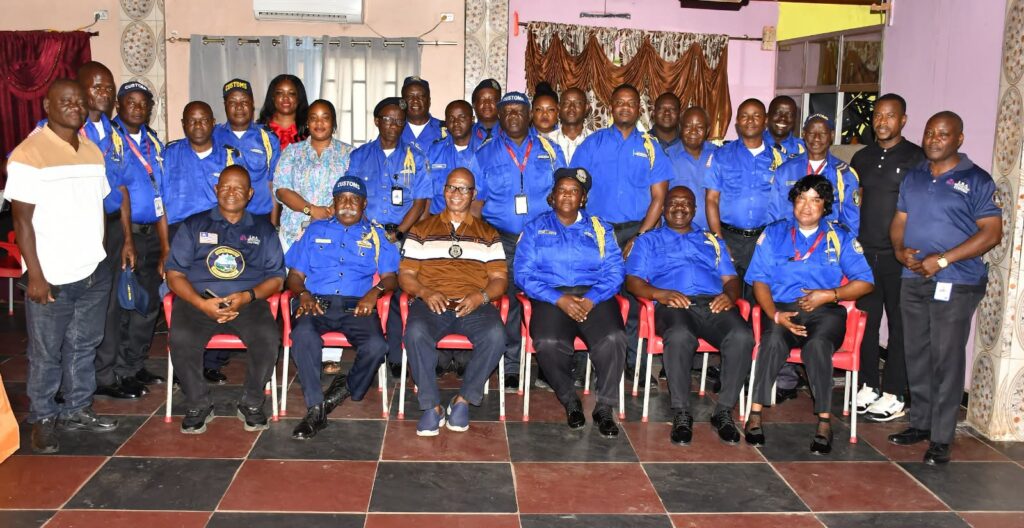
MONROVIA — The Liberia Revenue Authority (LRA), through its Customs Department, has launched the second phase of a weeklong refresher training in Ganta, Nimba County, to strengthen the technical capacity of Customs officers, improve border management, and facilitate legitimate trade.
The training, according to LRA, is part of its continuing investment in professional development and Customs modernization as the authority seeks to improve the administration of trade-related laws and procedures and strengthen domestic revenue mobilization.
More than 30 participants from Customs Business Offices across Liberia are said to be attending the training, alongside representatives from the Communication, Media and Public Affairs Section, Taxpayer Services Division and Internal Audit Department.
The skills-based program focuses on critical areas of Customs administration, including Customs valuation, Harmonized System tariff classification, rules of origin, practical Customs examination procedures and other core Customs processes.
The areas covered are essential to determining the proper tariff treatment and customs duties applicable to imported goods. Improved technical knowledge in these areas is also increasingly important as Liberia expands its participation in regional and continental trade arrangements, including the African Continental Free Trade Area.
Customs valuation helps determine the taxable value of imported goods, while HS classification provides a standardized system for identifying and categorizing products for tariff and trade purposes. Rules of origin, meanwhile, determine the country associated with goods for purposes of applying preferential or other trade measures.
The training also includes assessments designed to establish participants’ baseline knowledge and measure improvements in their understanding of the course materials.
Speaking at the opening ceremony Tuesday, Assistant Commissioner for Customs Ports Operations Edwin F. Kendema encouraged participants to actively engage facilitators, ask questions and take advantage of the training to strengthen their practical skills.
Kendema said investments in employee development should result in stronger technical competence, more consistent application of Customs procedures and improved services for importers, Customs brokers and other stakeholders.
“Customs officers must embrace continuous learning and professional enhancement, using relevant laws, procedures and technical expertise to provide accurate guidance to stakeholders,” Kendema said.
The training comes as Liberia continues efforts to modernize its Customs administration and strengthen compliance with national laws and international Customs standards.
For the LRA, improving the technical capacity of Customs officers is closely linked to the authority’s broader mandate of protecting government revenue while facilitating legitimate commerce. Customs officials are responsible for applying tariff and trade rules at Liberia’s ports and borders, making professional competence essential to ensuring that procedures are applied consistently and transparently.
The inclusion of officials from other LRA departments also reflects the importance of coordination in Customs administration. Effective communication, taxpayer services and internal oversight can complement Customs operations by improving information sharing, stakeholder engagement and accountability.
The refresher program is expected to contribute to a more skilled and professional Customs workforce capable of responding to the increasingly complex demands of international trade.
The LRA said continued investment in staff development will remain an important component of its Customs modernization strategy. The authority is seeking to strengthen technical competencies, promote compliance and improve service delivery while ensuring that government revenue is adequately protected.
As Liberia pursues greater integration into regional and continental markets, officials say a well-trained Customs workforce will be essential to balancing two priorities: facilitating legitimate trade and safeguarding public revenue.
The ongoing capacity-building initiative therefore forms part of the LRA’s broader effort to build a professional and accountable Customs service that can support efficient border management, strengthen compliance and contribute to Liberia’s sustainable domestic revenue mobilization and national development.





Discussion about this post