


Published: June 29, 2026
“Don’t come into journalism because you want your voice to be heard. Come because you want other people’s voices to be heard through you.”
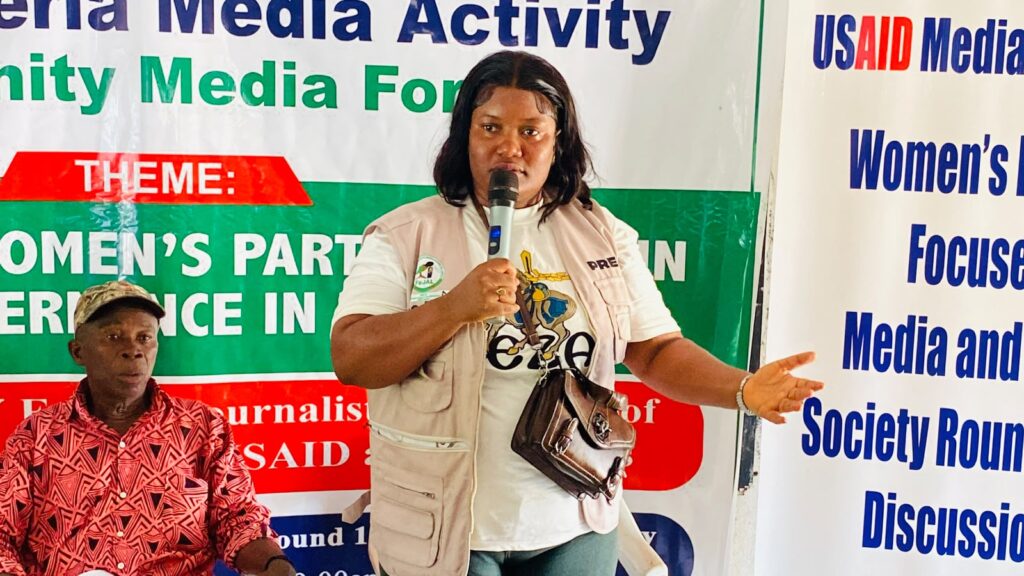
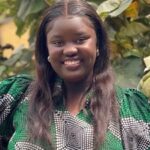
Before she ran a newsroom, before she led a national association, Lisa Tenneh Diasay was the child who could not stop telling stories. She would return from any event and recount every detail for days, holding onto scenes that others forgot within hours.
“I wanted someone to listen to me,” she says. “I would go somewhere and describe the entire scene. Storytelling became part of who I was.”
That instinct carried her into a career that now spans journalism, advocacy, mentorship and leadership. Diasay is a Liberian journalist, feminist, sustainable development expert and human rights advocate. Since December 2023, she has served as president of the Female Journalists Association of Liberia (FeJAL). She holds a bachelor’s degree in mass communication and a master’s in sustainable development, along with certificates in peacebuilding and conflict prevention, leadership and innovation, monitoring and evaluation, and human resource management. She also leads the choir at her church.
For Diasay, the credentials were never the point. “I’m not just a journalist,” she says. “I believe in serving people wherever I find myself.”
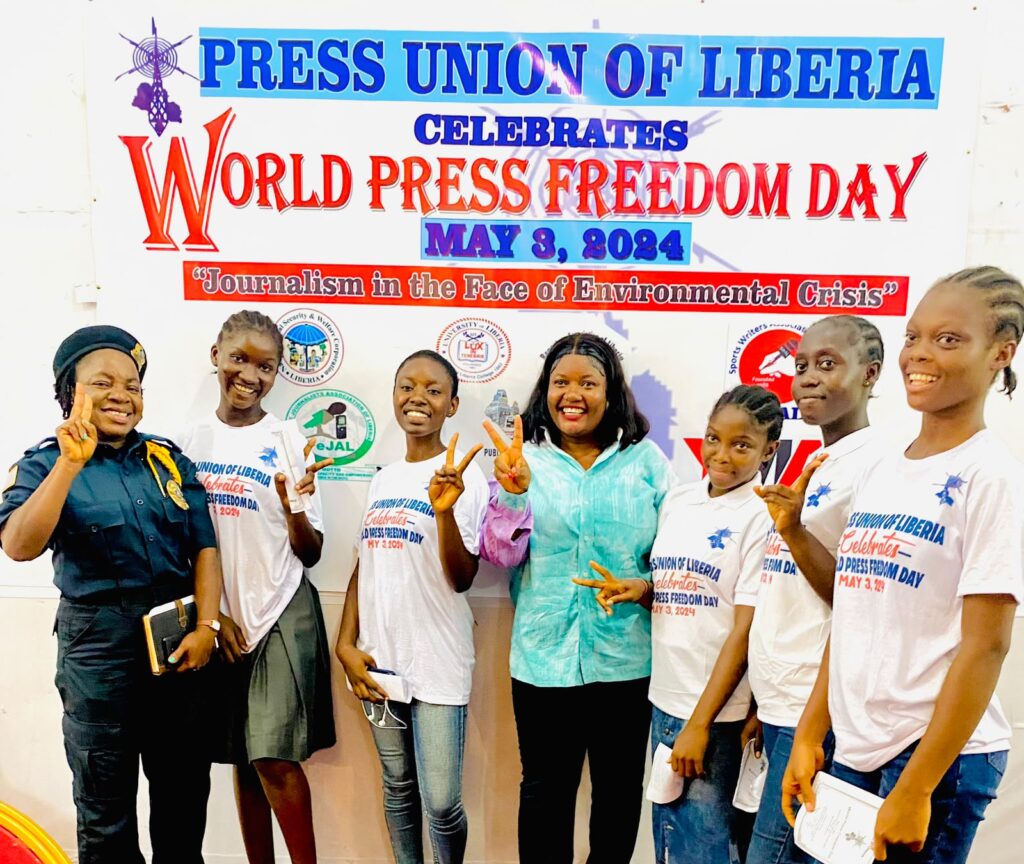
She pursued journalism deliberately. Outspoken as a student, she joined her school’s press club and drama groups to sharpen how she expressed herself, and she enrolled in journalism school before she had even graduated from high school. Radio shaped her early. “I would always listen to ELBC,” she recalls of a time more than 15 years ago, when few homes had internet. “The radio was how we stayed informed.”
A sense of justice came just as early. “I didn’t know what domestic violence was then,” she says, “but I knew people shouldn’t beat other people. That desire to protect others pushed me toward journalism.”
Two stories define what that protection looks like in practice. During the Ebola period in 2015, Diasay reported on a young girl brought from Gbarnga to Monrovia for school who was raped by three men. She followed the case through publication and follow-up until the perpetrators were arrested and convicted. The child later died, but her family saw justice. “I saw myself in that little child,” Diasay says.
In a second case, a mother living with a mental health condition reached her through social media after her son was sexually assaulted. Diasay’s reporting helped the boy access psychosocial support, helped the mother enter rehabilitation and led to the perpetrator’s arrest.
Working across newsrooms, she noticed the same pattern everywhere. Politics dominated coverage while the work women were doing in their communities went unreported. In 2019 she founded Amogulu Communications Inc., the parent company of Women TV Liberia, the country’s first online platform dedicated to women and gender issues. Amogulu means “We will talk it.”
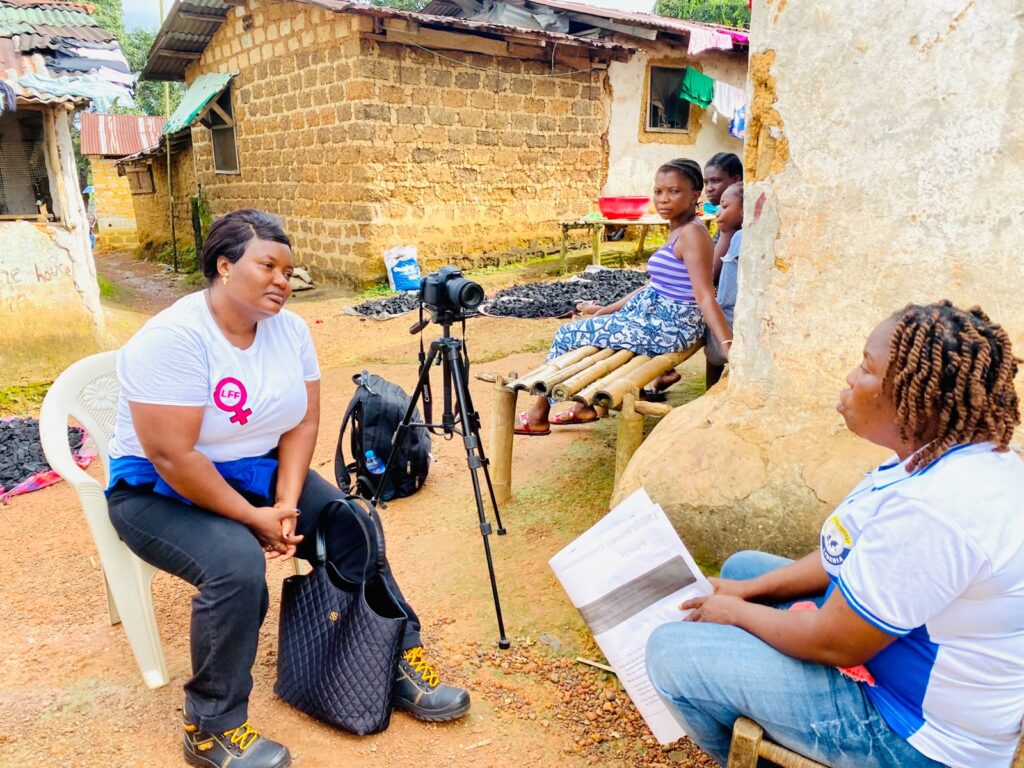
“Women should not be silent, whether it be good or bad,” she says. The platform became both a publishing space and a training ground. Diasay has mentored about 15 young women and men who now work across Liberia’s leading media houses, including one she watched move into a major national fact-checking institution. “I read their stories every day. Watching them grow makes me believe I still have more to do.”
That conviction pushed her toward FeJAL. She first contested the presidency in 2019 and lost. “It broke me down,” she admits. “But it didn’t kill my passion.” She returned to mentoring, expanded Women TV Liberia into the counties and trained another group of young journalists, supporting several through their education. She ran again four years later and won by an overwhelming margin in December 2023. “We didn’t fail in 2019,” she says. “It simply wasn’t our time.”
In office, she built three programs around a single goal: putting women where decisions are made. The Women Leadership in the Newsroom program supports senior women reporters into leadership. A national mentorship program pairs young women with experienced guides. An internship program places journalism students in newsrooms including ELBC, the Daily Observer, FrontPage Africa and Women Voices. Several participants have since become editors, news directors and station leaders.
“When women are part of newsroom leadership, women’s stories also receive the attention they deserve,” she says.
The barriers remain stubborn. Diasay says women in the profession still fight the assumption that they are lazy or weak-minded, and a more corrosive myth that any woman who succeeds must be sleeping with newsmakers or editors. “That’s completely false,” she says. “Those misconceptions kill passion before it has the chance to grow. We are losing members because they buy into them.”
Her answer is specialization. Rather than compete on every beat, she tells young women to own one. “People should know you for something. Whether it’s climate justice, gender, health, education or investigations, pick your niche and master it.” Excellence, she argues, eventually speaks louder than prejudice. “Specialty picks a woman up very fast. It sets you apart from the crowd.”
She is equally blunt about initiative. “If you just sit waiting for press releases, you are not an asset. You become a utility,” she says. “Editors look for people who bring ideas, who come prepared, who already have a story in mind.”
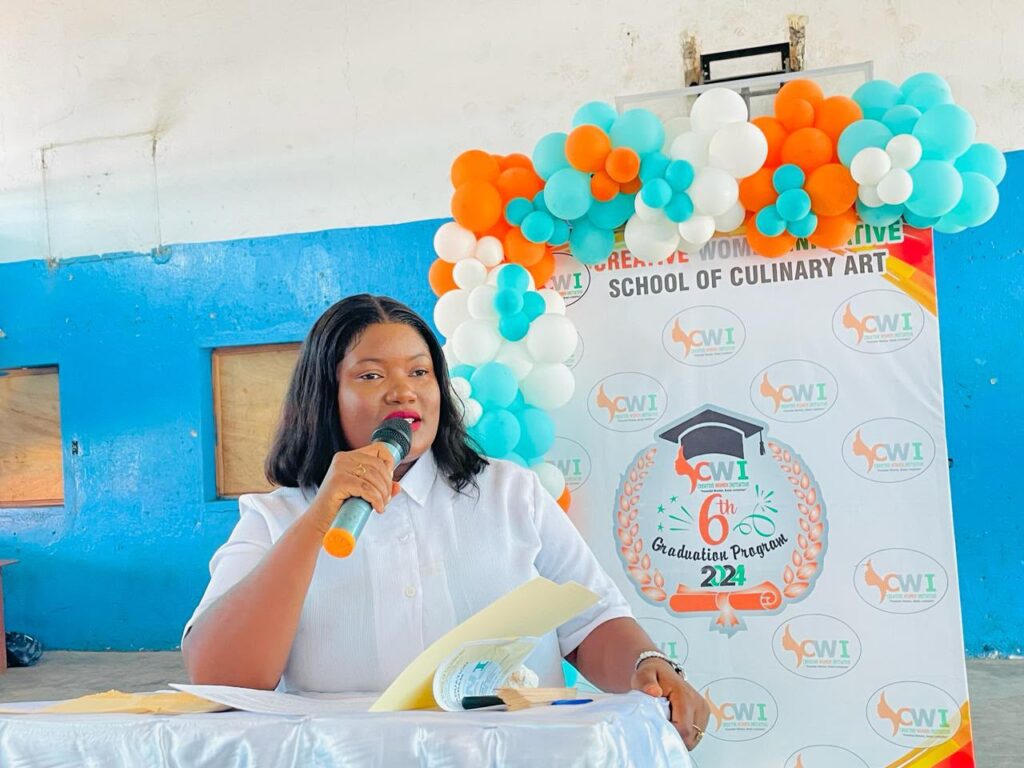
Leadership, for Diasay, is not authority. “Leadership means driving people through different pathways so they can achieve their goals,” she says. “People look to you as a light. If you can guide them toward their purpose, that’s leadership.” She measures her own success not by awards but by how many people she has helped grow.
Away from the work, she guards space for faith and family. She keeps dedicated time with her daughters and siblings and retreats to a music room when the weight of the job builds. “Music refreshes my spirit,” she says. “If you don’t refresh yourself, you’ll lose yourself.” Her steadiest encouragement has come from her daughters, her mother and her cousin, Ada Reese, who reminded her why she started whenever she wanted to quit.
Her vision as president reaches well beyond Monrovia. FeJAL is establishing resource centers in strategic counties, equipping women journalists with computers, cameras, recorders and internet access many of them have never had. “If a woman in Bong County can borrow a recorder, write her story on a computer and send it to her editor, we’ve empowered her to work independently.”
That, she says, is the legacy she wants. “I may not always be remembered, but if a young woman finds her specialty, grows in confidence and succeeds because of something we started, then we’ve succeeded.”
To anyone weighing the profession, she does not soften the truth. “This is a tough field. The newsroom is crowded. It’s male-dominated. It’s full of intimidation and setbacks.” Then she points to the work still undone. “There are stories waiting to be told. You have the microphone. You have the pen.”
It returns, always, to the line she lives by. “Don’t come into journalism because you want your voice to be heard. Come because you want other people’s voices to be heard through you.”




Discussion about this post